
Pruning
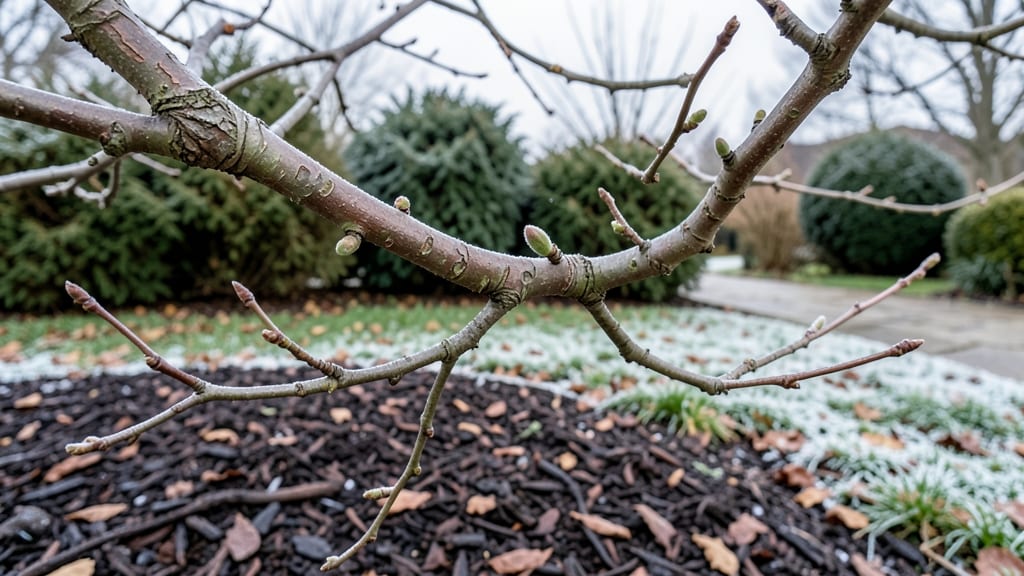
Pruning dormant tree branches is the secret weapon for a stronger, more vibrant tree come spring. 🌱 I’ve seen trees that looked hopelessly dead in winter burst back to life with just the right cuts—here’s exactly how to do it without harming your tree.
The key is timing and technique: prune during dormancy (late fall to early spring) when the tree isn’t actively growing. Look for branches that are brittle, cracked, or completely bare—these are the ones to remove.
Use sharp pruners to make clean cuts just outside the branch collar, and avoid leaving stubs. You’ll notice fresh, green growth within weeks of pruning, and the tree’s structure will open up to let more sunlight reach the canopy.
Even if your tree looks like it’s beyond saving, this method gives it a fighting chance. Works for fruit trees, shade trees, and even ornamental varieties. Let’s bring your tree back to life!
Natural Life Cycles Explained
Understanding why dormant branches appear requires a peek into how trees survive seasonal shifts. These branches aren’t dead—they’re simply in a state of hibernation, conserving energy until conditions improve. Let’s break down the science behind this natural process.
---
Trees enter dormancy as a survival strategy when temperatures drop, daylight shortens, or water becomes scarce. This isn’t laziness—it’s biology. During winter, trees halt non-essential growth to conserve energy, redirecting resources to roots and trunk instead. Dormant branches appear shriveled or leafless because:
- Reduced metabolic activity: Cells slow down, shrinking slightly due to cold stress. - Bud formation: Many trees store energy in buds (tiny growth points) that swell in spring when warmth returns. - Water preservation: Roots absorb less moisture, causing branches to lose turgor (rigidity).
💡 Pro Tip: Evergreens (like pines) stay green year-round because their needles have waxy coatings that prevent water loss, but their growth still slows in winter.
---
Harsh conditions can push branches into premature dormancy or weaken them enough to appear "dead." Key triggers include:
| Factor | How It Affects Branches | Signs to Watch For | |---------------------|---------------------------------------------------------------------------------------------|-------------------------------------------------| | Drought | Roots struggle to supply water, forcing branches into survival mode. | Brittle bark, curled leaves (if any remain). | | Frost Damage | Ice crystals rupture cells in young or thin branches, causing them to blacken or die back. | Darkened tips, peeling bark. | | Poor Soil Health| Nutrient deficiencies (e.g., nitrogen, potassium) starve branches, mimicking dormancy. | Yellowing leaves, stunted new growth. | | Pests/Disease | Infestations (e.g., borers, fungi) block nutrient flow, tricking the tree into "shutting down." | Sawdust-like frass, oozing sap, fungal growth. |
🔥 Actionable Fix: If stress is the culprit, water deeply (1–2 inches per week) and mulch to insulate roots. For pests, prune infected branches 12+ inches below damage to stop spread.
---
Older trees naturally produce less vigorous branches as their energy shifts toward maintaining the trunk and roots.
Over time: - Weaker vascular systems: Sap flows more slowly, leading to thinner, less responsive branches. - Competition for sunlight: Inner branches, deprived of light, may "give up" and enter dormancy early. - Genetic limits: Some species (e.g., fruit trees) are prone to alternate bearing—producing heavy crops one year, then dormant-looking branches the next.
✨ Revival Hack: Thin the canopy by removing 10–20% of dense branches to improve light penetration and airflow. This encourages the tree to reinvest energy in remaining limbs.
--- Pruning errors or over-manicuring can trick trees into thinking they’re in distress.
Common culprits: - Late-season pruning: Cutting in fall/winter removes growth signals, confusing the tree into dormancy. - Over-pruning: Removing >25% of foliage at once shocks the tree, triggering a survival response. - Improper cuts: Leaving stubs or tearing bark exposes the tree to pathogens, accelerating decline.
🎯 Prevention Tip: Prune dormant branches in late winter (just before buds swell) and use sharp tools to make clean cuts at the branch collar. Avoid topping trees—it stresses the entire system.
Revive & Prune Dead Branches
Dormant or dead branches can stifle your tree’s vitality, but with the right approach, you can encourage new growth and restore its health. Below are practical, step-by-step solutions tailored to common causes—plus prevention tips to keep your tree thriving long-term.
---
Before pruning, confirm whether the branch is truly dead or just dormant. Run your fingernail along the bark: - Dead branch: No green underneath, brittle texture, or hollow when tapped. - Dormant branch: Slightly flexible, may have a thin layer of green under the bark.
If it’s dead, prune it out. If dormant, focus on revitalizing the tree’s overall health to spur regrowth.
---
#### 1. 🍂 Overgrown or Crowded Branches Cause: Poor airflow or light competition weakens branches, making them appear dormant. Fix It: - 🔪 Trim strategically: Use clean, sharp pruners (or a saw for thicker branches) to remove 1/3 of the dead/dormant wood in stages.
Avoid cutting more than 25% of the tree’s canopy at once. - 🌿 Thin the canopy: Focus on crossing branches or those rubbing against each other—these are prime candidates for removal. - ⏰ Time it right: Prune late winter to early spring (just before new growth starts) for best results.
💡 Pro Tip: If the tree is young, prioritize structural pruning to encourage a strong framework for future growth.
---
#### 2. ❄️ Winter Damage or Frost Bite Cause: Freezing temps can kill branches, leaving them brown and brittle. Fix It: - 🌡️ Assess the damage: If only the tips are dead, trim back to healthy green tissue (look for a slight swelling or bud). - 🛡️ Protect vulnerable trees: Wrap young or weak trees in burlap before winter or use anti-desiccant sprays to retain moisture. - 💧 Hydrate deeply: Water the root zone in early spring to help the tree recover.
✨ Prevention: Plant cold-hardy species (like oak, maple, or hickory) if your climate has harsh winters.
---
#### 3. 🐜 Pest or Disease Attack Cause: Borers, fungi, or bacteria can kill branches from the inside out. Fix It: - 🔍 Inspect for signs: Look for sawdust-like frass (borer droppings), oozing sap, or mushrooms at the base. - 🔪 Remove infected branches: Cut 6–12 inches below the visible damage to ensure you get the entire infected section. - 🧴 Treat the wound: Apply pruning sealant (optional for large cuts) or copper fungicide if fungal disease is suspected.
🎯 Prevention: - 🌿 Keep the area clean: Remove fallen leaves/debris where pests hide. - 💪 Boost tree health: Fertilize with balanced slow-release fertilizer in early spring.
--- #### 4. 🚰 Underwatering or Poor Soil Cause: Drought stress or compacted soil can cause branches to dry out and appear dead. Fix It: - 💧 Water deeply: Soak the root zone (not just the surface) 1–2 times per week during dry spells. - 🌱 Improve soil drainage: Mix compost or organic matter into the soil around the base. - 🌿 Mulch properly: Apply 2–4 inches of mulch (keep it 6 inches away from the trunk) to retain moisture.
🔥 Quick Revival Hack: For severely stressed trees, root feed with a liquid fertilizer (like fish emulsion) to jumpstart recovery.
--- #### 5. 🌿 Nutrient Deficiency Cause: Lack of key nutrients (like nitrogen or potassium) can stunt growth and turn branches dormant. Fix It: - 📊 Test the soil: Use a home soil kit or send a sample to a lab for a full analysis. - 🍎 Fertilize smartly: - Nitrogen-deficient? Use blood meal or alfalfa pellets. - Potassium-deficient? Try greensand or wood ash. - 🌱 Top-dress with compost: Spread 1–2 inches of compost around the drip line (edge of the canopy) in early spring.
💡 Pro Tip: Avoid over-fertilizing—too much salt can burn roots!
---
- ✂️ Use the right tools: - Bypass pruners for small branches (<½ inch). - Loppers for medium branches (½–2 inches). - Pruning saw for thick branches (2+ inches). - 🧹 Clean cuts only: Make cuts at a 45-degree angle just outside the branch collar (the swollen area where the branch meets the trunk). - 🚫 Avoid topping: Never cut the top flat—this invites disease and weakens the tree.
--- | Task | When to Do It | Why It Helps | |------------------------|----------------------------|------------------------------------------| | Prune annually | Late winter/early spring | Removes dead wood before growth season. | | Mulch & water | Spring & fall | Retains moisture, prevents stress. | | Inspect for pests | Early spring & fall | Catches infestations before they spread. | | Fertilize | Early spring | Boosts energy for new growth. | | Avoid over-pruning | Always | Prevents shock and weakens the tree. |
--- Final Thought: A little regular care goes a long way! With the right cuts and a little TLC, your tree can bounce back stronger—and those dormant branches might just surprise you with fresh green leaves next season. 🌱💚
Frequently asked questions
How can I tell if a branch is truly dead or just dormant?
Scratch the bark with your fingernail—if it’s green underneath, it’s dormant. Dead branches will be brittle, hollow when tapped, and show no green tissue. Look for buds or slight swelling in dormant branches, which signal potential for revival.
When is the best time to prune dormant branches?
Late winter to early spring (just before buds swell) is ideal. This timing lets you remove dead wood before new growth starts, while the tree is still in its dormant state. Avoid pruning in fall—it can confuse the tree into thinking it’s time to prepare for winter again.
Can I prune dormant branches in summer?
Not recommended! Summer pruning stresses the tree by removing growth when it’s actively trying to photosynthesize. If you must prune, do it in late summer (after 70% of new growth has hardened off), but late winter/early spring is always best for dormant branches.
What should I do if my tree has too many dormant branches?
Thin the canopy by removing 10–20% of the densest branches to improve airflow and sunlight penetration. Focus on crossing branches or those rubbing together—these are the first to remove. Never cut more than 25% of the canopy at once to avoid shocking the tree.
Will pruning dormant branches encourage new growth?
Removing dead/dormant branches redirects the tree’s energy to healthier limbs. After pruning, water deeply and fertilize with a balanced slow-release fertilizer in early spring. You should see fresh green buds within 4–6 weeks if the tree is healthy.