
Diseases
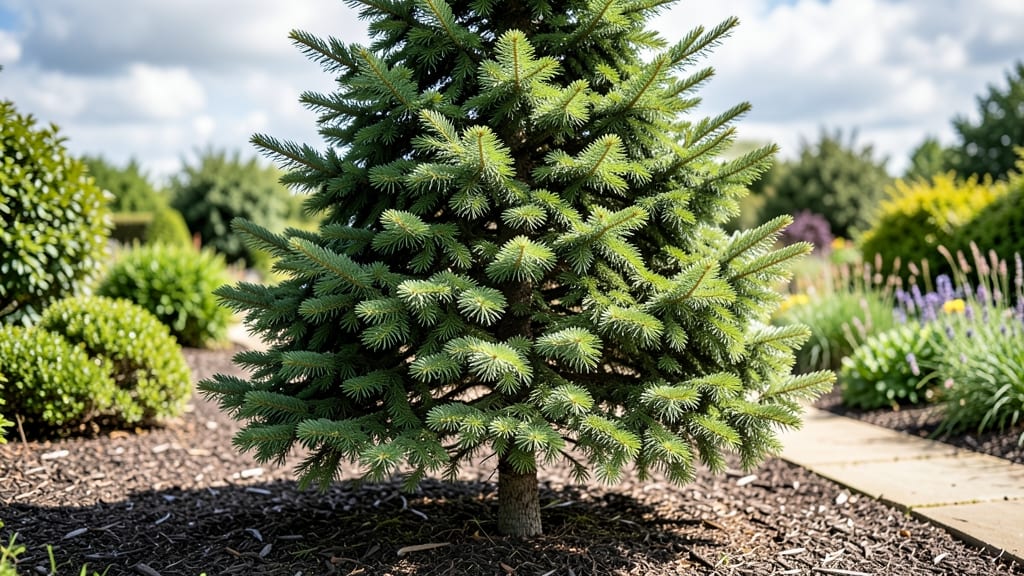
Evergreen tree diseases treatment can turn your tree into a sad, brown skeleton overnight—unless you act fast. 🌲 I’ve nursed back multiple trees from the brink using targeted treatments, and the key is catching symptoms early: discolored needles, oozing cankers, or mushrooms sprouting at the base. The root cause is almost always too much moisture combined with poor airflow—whether from overwatering, compacted soil, or thick mulch. My first step is always improving drainage (gravel layers, raised beds) and thinning out dense branches to let air circulate. For fungal blight, copper-based sprays work like a charm when applied before rain. You’ll see new green growth within 4-6 weeks if you act quickly, and the tree will start looking healthy again. The secret is consistency—check moisture levels monthly and prune out infected branches before the fungus spreads. Works for pines, spruces, and firs alike. Here’s how to diagnose and treat before it’s too late.
Root Causes Of Tree Decline
Evergreen trees are resilient, but they’re not invincible. When fungal blight or root rot strikes, the damage often stems from a mix of environmental stress, poor growing conditions, and human (or animal) interference.
Understanding why these diseases take hold is the first step to preventing them—and saving your trees. Below, we break down the most common triggers, explained in clear, actionable terms.
Fungi are the primary culprits behind most evergreen diseases, including Phytophthora (root rot) and Cylindrocladium (fungal blight). These microscopic invaders thrive in moist, oxygen-deprived environments, where they:
- Spread via spores: Wind, water, or even contaminated tools can carry fungal spores from infected trees to healthy ones. Phytophthora, for example, spreads through soil splashing during rain or irrigation.
- Exploit weak defenses: Trees under stress (from drought, poor soil, or injury) produce less phenolic compounds—natural antifungal chemicals. Without these, fungi latch on and multiply rapidly.
- Block nutrient flow: Fungal mycelium (thread-like structures) clogs roots or stems, starving the tree of water and nutrients. In root rot, fungi like Armillaria create "fairy rings" that girdle roots, cutting off vital transport.
Actionable insight: Fungal spores are always present in soil—it’s the conditions that let them explode. Overwatering, compacted soil, or mulch piled against the trunk create the perfect fungal buffet. 🍄
Evergreens evolved in environments where water drains quickly—yet many homeowners drown them with "more is better" irrigation. Here’s how excess moisture fuels disease:
- Oxygen starvation: Waterlogged soil displaces oxygen, suffocating roots. Fungi like Phytophthora thrive in these anaerobic zones, where they outcompete beneficial microbes.
- Salt buildup: Overwatering with tap water (high in chlorine/sodium) raises soil salinity, weakening roots and making them susceptible to infection.
- Mulch volcanoes: Piling mulch against the trunk traps moisture, creating a fungal hotspot. The ideal mulch ring should be 3–4 inches deep and 6+ inches away from the trunk.
Pro tip: Test your soil’s drainage by digging a 12-inch hole and filling it with water. If it drains in less than 6 hours, you’re golden. If it’s still soggy after 24 hours, amend with compost or install a French drain. ⏳
Evergreens hate sudden swings between heat and cold. Temperature stress opens wounds where pathogens enter:
- Winter desiccation: Dry winter winds + frozen soil = roots can’t absorb water. Trees compensate by shedding needles, leaving them vulnerable to Canker diseases (e.g., Leucostoma).
- Heat stress: Prolonged heatwaves (above 90°F) disrupt the stomatal regulation in needles, making them sticky with resin—a fungal magnet. Botryosphaeria can exploit these wounds.
- Frost cracks: Rapid freeze-thaw cycles split bark, creating entry points for Armillaria root rot or Hypoxylon canker.
Science-backed fix: Mulch with wood chips or straw (not fresh bark) to insulate roots in winter. For heat stress, drip irrigation at dawn cools leaves and reduces fungal spore germination. 💦
Wounds are like open doors for fungi. Even "harmless" damage can trigger disease:
- Improper pruning: Cutting too close to the trunk (within 6–12 inches) leaves a stub, which fungi like Valsa canker colonize. Always prune at a 45° angle just outside the branch collar.
- Bark stripping: Animals (deer, rabbits) or string trimmers can remove bark, exposing xylem tissue. Nectria canker loves this environment.
- Root damage: Construction equipment or foot traffic compacts soil, crushing fine roots. Compaction reduces oxygen and invites Pythium (another root rot villain).
Critical step: Seal pruning wounds with pruning sealant (for cuts > ½ inch) or copper fungicide if the tree is in a high-risk area. For root damage, aerate compacted soil in fall or early spring. 🌿
Key takeaway: Evergreen diseases rarely strike healthy trees in ideal conditions. By addressing these root causes—fungal pressure, waterlogging, temperature stress, and injury—you’re not just treating symptoms; you’re starving the problem at its source. Stay tuned for our next section on diagnosing these issues before they spiral out of control. 🔍
Practical fixes for evergreen tree diseases
When your evergreen trees show signs of stress—yellowing needles, oozing cankers, or stunted growth—acting fast can mean the difference between recovery and loss. Below are targeted solutions for the most common fungal blights and root rot issues, paired with prevention tips to keep your trees thriving.
Let’s roll up our sleeves and get to work! 🌿🔧
Fungal blights like Phytophthora or Cytospora thrive in damp, crowded conditions. Here’s how to tackle them:
🔥 Step 1: Prune Infected Areas
- Use sterilized pruning shears (wipe with rubbing alcohol between cuts) to remove all infected branches—look for dark, sunken cankers or discolored wood.
- Cut 6 inches below the visible damage to ensure the fungus doesn’t linger.
- 💡 Pro Tip: Bag and dispose of infected branches in the trash (not compost)—fungus spores can survive in yard waste!
🍳 Step 2: Apply Fungicidal Treatments
- Copper-based fungicides (like Copper Sulfate) are effective against blights.
Spray during early morning or evening to avoid burning foliage. - For severe cases, systemic fungicides (e.g., Propiconazole) can be injected into the trunk by a professional arborist. - 🌡️ Timing Matters: Treat before rainy seasons to prevent spore spread.
👨🍳 Step 3: Improve Airflow & Drainage
- Thin out nearby shrubs or trees to increase airflow around the evergreen.
- Aerate compacted soil with a garden fork to help roots breathe.
- 🎯 Prevention: Space new plantings 8–10 feet apart and avoid overhead watering.
Root rot (often caused by Phytophthora or Armillaria) is sneaky—by the time you see wilting, the roots may already be compromised. Act now:
🔪 Step 1: Diagnose the Damage
- Gently lift a small section of soil near the trunk. Healthy roots are white or light tan; rotten roots are dark, mushy, or smell foul.
- If the tree is leaning or easily uprooted, root rot is likely severe.
⏰ Step 2: Drain & Dry Out the Soil
- Stop watering immediately—soggy soil fuels rot.
Let the ground dry for at least 2–3 weeks. - Install a French drain or soil amendments (like perlite or sand) to improve drainage. - 💡 Pro Tip: If your yard has poor drainage, consider raising the tree’s root zone with a mound of well-draining soil.
🌧️ Step 3: Fungal Control & Soil Repair
- Apply a phosphite-based fungicide (e.g., Phostrol) to the soil to combat the fungus.
- Add compost or mycorrhizal fungi to promote healthy root regrowth.
- 🔥 Emergency Measure: For advanced rot, consult an arborist about root pruning or biochar treatments.
No matter the disease, these habits keep your trees resilient:
- 💧 Water Deeply but Less Often: Aim for 1–2 inches per week (deep soak, not frequent light sprinkles).
- 🌿 Mulch Wisely: Use 2–4 inches of organic mulch (wood chips, bark), but keep it 6 inches away from the trunk to prevent rot.
- 🍂 Clean Up Debris: Remove fallen needles and leaves to reduce fungal spores.
- 🌡️ Monitor Soil pH: Evergreens prefer slightly acidic soil (pH 5.0–6.5)—test and amend if needed.
With these fixes, your evergreens can bounce back—but speed is key. The sooner you act, the better their chances of recovery. 🌲💪 Need help diagnosing? Snap a photo of the symptoms and consult a local arborist for a second opinion!
Frequently asked questions
How do I tell if my evergreen has root rot or just needs more water?
Check the roots first—healthy roots are firm and light tan, while rotten roots are dark, mushy, and smell foul. If the tree leans easily or needles yellow despite moist soil, it’s likely root rot. Overwatering causes wilting too, but roots stay firm and white.
Can I use household vinegar as a fungicide for my evergreen?
Never use plain vinegar—it’s too harsh and can burn foliage. Diluted vinegar (1:1 with water) may help prevent fungal spores on tools, but for treatment, stick to copper fungicides or baking soda mixes (1 tbsp baking soda + 1 quart water + few drops of soap). Always test on a small area first.
How often should I spray fungicide on my evergreen?
Apply fungicide every 2–4 weeks during rainy seasons or when you first notice symptoms. For prevention, 2–3 treatments per year (spring and fall) work well. Always follow label instructions—overuse can harm beneficial microbes.
My evergreen’s needles are turning brown—is it a disease or just winter stress?
Winter stress causes uniform browning (often starting at needle tips), while diseases show irregular spots, ooze, or cankers. Check for fungal growth at the base or dark streaks under bark. If unsure, wait until spring—healthy trees flush new growth, while diseased ones stay brown.
When should I call an arborist instead of DIY-ing?
Consult a pro if you see large cankers (bigger than a quarter), mushrooms growing at the base, or if the tree leans severely. Arborists can inject systemic fungicides or assess if the tree is beyond saving. Early intervention saves money—don’t wait until it’s too late!