
Pruning
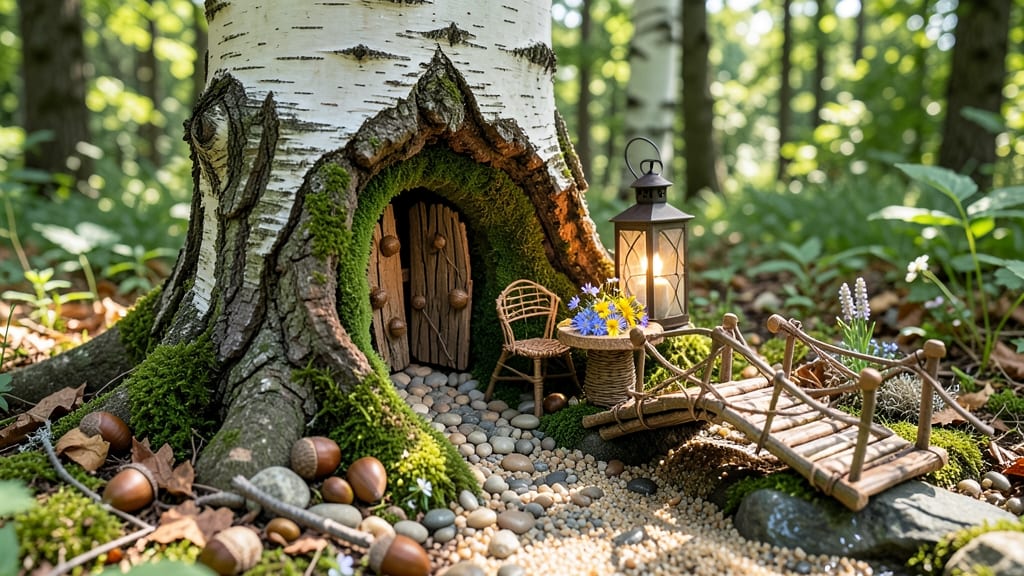
Creating a fairy house out of a tree stump transforms an old stump into a magical mini-home using natural materials like bark, moss, and twigs for furniture and decor.
This project turns an ordinary stump into a charming garden focal point by repurposing its natural shape.
Start with a rot-resistant stump (like oak or maple) to ensure longevity, then use hand tools or power drills to carve out a hollow base for the fairy entrance. 🌿 The key is working with what nature provides—think of acorns as tiny chairs, moss as carpet, and pinecones as decorative accents.
For extra whimsy, add a pebble path leading to the door or a wildflower "garden" in front. The best part? Your fairy house will blend seamlessly into the landscape while attracting beneficial insects.
Pro tip: If the stump is too large, scale down by using smaller branches for furniture or creating a "fairy village" with multiple tiny stumps. Safety first—wear gloves when handling rough bark, and avoid stumps with mold or insect activity.
With a little creativity, you'll have a one-of-a-kind garden feature that sparks joy for years.
💡 In This Article
- Selecting and Preparing the Perfect Tree Stump for Fairy Homes
- Natural Decorating Ideas for Whimsical Fairy Stump Houses
Selecting and preparing the perfect tree stump for fairy homes
Choosing the right tree stump starts with examining its condition and size. Look for stumps that are partially decayed—this soft wood is easier to carve and creates natural crevices for fairy details.
Oak and maple stumps are ideal because their dense grain resists further rot, while fruit tree stumps (like apple or cherry) often have natural hollows perfect for doors or windows.
A stump with a diameter of 12-18 inches provides enough surface area for intricate designs without being overwhelming in your garden.
The hollowing process begins with safety: wear thick gloves and safety goggles when using power tools like a cordless drill with a 1-inch spade bit or a hand chisel.
For a rustic look, skip power tools entirely and use fire-hardened sticks as natural chisels—heat them in a flame until red-hot, then plunge into cold water to harden before tapping into the wood.
Start by drilling a 6-inch deep entrance hole at the base, then gradually widen it into a cozy 8x10-inch chamber using a wood rasp for smoothing rough edges.
Natural cavities in the stump can become windows or chimneys—simply enlarge them with a wooden mallet and curved chisel to create soft, organic shapes.
If the stump has a natural split, you can turn it into a two-story fairy home by adding a second floor with thin bark slices as steps.
For extra stability, prop up the stump with large stones if it's wobbly, or bury it slightly in the ground to anchor it while keeping the entrance accessible.
Preservation is key to longevity. Treat the stump with a natural wood sealant (like linseed oil mixed with turpentine) to slow decay, but avoid commercial stains that might harm fairies—or pollinators! Let it dry for 24 hours before decorating.
For a magical touch, place a few dried lavender sprigs inside the hollow to deter pests while adding a subtle fragrance. The goal is to create a home that feels lived-in, not like a museum piece.
Consider the stump's location: place it near host plants for butterflies, like milkweed or coneflowers, to attract tiny visitors. A 3-foot diameter of clear space around the stump allows for fairy pathways (use white pebbles or moss lines to guide them).
If your stump is near a water feature, fairies will love it even more—they adore tiny ponds! Just ensure the stump isn't in a low-lying area where water might pool and cause rot.
For advanced builders, experiment with multiple stump sizes to create a fairy village. Use a 6-inch stump as a lookout tower, a 10-inch stump as the main house, and a 4-inch stump as a mushroom-shaped table.
The key is balancing functionality with fantasy—fairies need storage space (acorn shells), seating (flat stones), and privacy (moss curtains). 🌟
Remember, the best fairy houses tell a story. Add a tiny broom made from twigs near the door to suggest a fairy family lives there, or place a dandelion clock on the "roof" to imply they're preparing for flight.
The more details you include, the more your garden will feel like a living fairyland. ✨