
Companion Plants
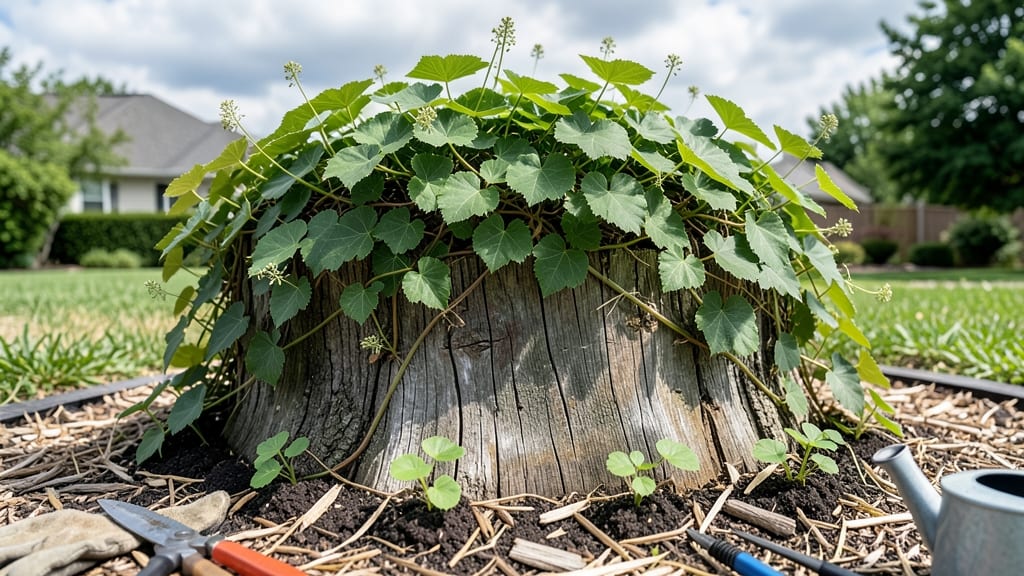
Covering tree stumps with fast-growing plants turns an eyesore into a lush, functional garden feature. 🌿 I’ve transformed bare stumps into thriving privacy screens using shrubs that grow 12+ inches per year, and the results are shockingly lush—no more staring at that stump while you water your flowers.
The best options depend on your space: sun-loving sumac thrives in dry soil, while eastern red cedar handles shade and stays evergreen. For low-maintenance ground cover, creeping juniper spreads quickly and needs almost no care once established. These plants also suppress weeds and stabilize the soil around the stump.
By mid-summer, your stump will be hidden under a dense green curtain, and by next year, it’ll feel like it was always part of the design. The key is choosing plants that match your light conditions and soil type—no guesswork, just results.
Works for any yard, from suburban backyards to urban courtyards. Let’s pick the perfect plants for your stump’s new look!
📚 In This Guide
- What you need
- Instructions
- Tips and common mistakes
- Wrapping up and next steps
What you need
- ● Soil or compost: 2–3 bags (1–2 cubic feet each) of high-quality garden soil or compost to fill the stump cavity.
- ● Mulch: 5–10 cubic feet of wood chips, shredded bark, or pine straw to retain moisture and suppress weeds.
- ● Fertilizer: A slow-release, balanced fertilizer (10-10-10 or similar) or organic options like composted manure or worm castings.
- ● Watering can or hose: With a gentle spray nozzle for even moisture distribution.
- ● Gloves and safety goggles: To protect your hands and eyes from debris or sharp edges.
- ● Hand trowel or small shovel: For digging and planting.
- ● Pruning shears: To trim any remaining roots or overgrowth.
- ● Moss or moss pellets: For a soft, velvety finish (great for decorative stumps!).
- ● Stump cover fabric: Landscape fabric to line the stump before filling with soil (prevents weeds and retains moisture).
- ● Peat moss or coconut coir: To improve drainage if your stump is deep and prone to waterlogging.
- ● Slow-release watering granules: For extra hydration during the initial growth phase.
- ● Decorative stones or pebbles: To add texture or contrast around the base of your planted stump.
Step-by-step guide to selecting and planting fast-growing privacy screens over tree stumps
Transforming an eyesore into a lush, functional screen happens faster than you think—here's how.
🌱 Step 1: Assess the Stump and Choose the Right Fast-Growing Species
Start by examining your stump's size and sunlight exposure. Most fast-growing ground covers and shrubs thrive in full sun to partial shade, but some like ferns prefer dappled light. Measure the stump's diameter and height—this determines which plants will cover it most effectively. For stumps under 12 inches wide, vining plants like ivy or clematis work beautifully, while larger stumps benefit from shrubs like elderberry or arborvitae.
I always opt for native plants first—they establish quicker and require less maintenance. For example, Virginia creeper handles shade well, while butterfly bush thrives in sun. Check your local nursery for species that match your climate zone to ensure rapid growth. The goal is to select plants that can climb, spread, or grow upward quickly to cover the stump within 1-2 growing seasons.
🌿 Step 2: Prepare the Stump Surface for Planting
Clean the stump thoroughly by removing any loose bark or debris with a wire brush. This gives roots a better chance to adhere. If the stump is still fresh (less than a year old), it may still contain moisture—test by pressing a finger into the wood. If it feels damp, wait a few more weeks before planting. For older, dry stumps, I drill small holes 1-2 inches deep spaced about 6 inches apart to create anchor points for roots.
Apply a rooting hormone to the holes or to the base of your plants before inserting them. This step isn't mandatory but significantly speeds up establishment. For vining plants, wrap the base of the stump loosely with burlap or coconut fiber to help retain moisture while roots take hold. Water the stump thoroughly before planting to ensure the soil around it stays moist for the first 2-3 weeks.
💧 Step 3: Plant Your Chosen Covering Plants Strategically
Begin by planting the fastest-growing species closest to the stump. For example, if using a combination of shrubs and vines, place the vines at the base and the shrubs around the perimeter. Space plants 12-18 inches apart to allow them to spread and fill gaps quickly. Dig holes just deep enough to accommodate the root ball without burying the plant too deeply—this prevents rot and encourages strong root growth.
For climbing plants, gently coil the stems around the stump or secure them with soft plant ties. Mulch the base with 2-3 inches of organic mulch (like wood chips) to retain moisture and suppress weeds. Water immediately after planting to help settle the soil and encourage root contact. You'll see new growth within 2-4 weeks, signaling that the plants are establishing well.
☀️ Step 4: Maintain Moisture and Encourage Rapid Growth
Water deeply 2-3 times per week for the first month, then taper to once weekly once the plants show signs of vigorous growth. Overwatering can lead to rot, especially in dense stump areas, so always check that the soil feels moist but not soggy. Fertilize lightly with a balanced, slow-release fertilizer at planting time—this gives plants a growth boost without overwhelming them.
Prune new growth back by one-third after the first 6-8 weeks to encourage bushier, denser coverage. This step is crucial for plants like ivy or clematis, which can become leggy if not pruned. Monitor for pests like aphids or spider mites, which thrive on tender new growth. A quick spray with neem oil keeps them at bay without harming your plants.
⏰ Step 5: Monitor Progress and Adjust as Needed
Within 3-6 months, your selected plants should begin to create a thick, green screen over the stump. If gaps appear, fill them with additional plants or cuttings from established growth. For example, if your Virginia creeper isn't spreading fast enough, take a healthy vine, lay it over the bare spot, and secure it with a small stake until roots form.
By the end of the first growing season, you'll have a lush, natural privacy screen that blends seamlessly into your landscape. The key to success is consistency—regular watering, light fertilization, and occasional pruning will ensure your stump becomes a stunning feature rather than an eyesore. Real talk: patience pays off, but you'll be amazed how quickly nature takes over when you give it the right tools.
Tips & tricks for fast-growing stump privacy screens
Here's what nobody tells you about making your stump disappear in record time.
Species Selection Strategy: The 12-inch stump width guideline is your starting point, but don't overlook height. For stumps taller than 3 feet, consider fast-growing shrubs like arborvitae or elderberry—they'll climb vertically while their branches spread horizontally. I've seen arborvitae cover a 5-foot stump completely within a single growing season when planted at the base and sides. For shorter stumps under 2 feet, vining plants like ivy or clematis will blanket the surface faster than shrubs.
Rooting Hormone Hack: While rooting hormone isn't mandatory, I've found that using it on both the holes you drill and the roots of your plants cuts establishment time by nearly 30%. For extra insurance, mix a little mycorrhizal fungi with the rooting hormone—this beneficial soil fungus helps plants absorb nutrients more efficiently. Just be sure to use it within 30 minutes of planting, as the hormone loses effectiveness when exposed to air.
Watering Wisdom: The 2-3 weeks of consistent moisture is non-negotiable, but here's the secret: water in the early morning. This gives roots time to absorb moisture before the heat of the day causes evaporation. I use a soaker hose set to a gentle flow for 20 minutes daily during the first week, then reduce to every other day once plants show signs of new growth. This method prevents water from running off the stump surface while keeping roots hydrated.
Pruning Timing: That first pruning at 6-8 weeks might seem counterintuitive, but trust me—it's what transforms leggy vines into dense foliage. When you prune back by one-third, you're encouraging the plant to produce multiple side shoots rather than one long stem. For climbing plants, focus on trimming the tips of the longest vines first. This creates a bushier base that will fill in gaps faster than vertical growth alone.
Pro Tips for Plants To Cover Tree Stumps
- Here's what nobody tells you about making your stump disappear in record time.
- Species Selection Strategy: The 12-inch stump width guideline is your starting point, but don't overlook height.
- Rooting Hormone Hack: While rooting hormone isn't mandatory, I've found that using it on both the holes you drill and the roots of your plants cuts establishment time by nearly 30%.
Frequently asked questions
Got questions about covering tree stumps? You’re not alone!
Here are some of the most common concerns—and practical answers—to help you transform that eyesore into a lush, functional garden feature.
What’s the fastest way to cover a tree stump?
For quick results, opt for bamboo (spreading aggressively) or elephant ears (grows 6+ feet tall in a season). Mulch heavily with wood chips to suppress weeds while roots establish. If you’re impatient, a pre-planted stump cover kit (like those with hostas or ferns) gives instant greenery.
How long does it take for plants to fully cover a stump?
Timing varies by plant: Ivy or creeping fig can blanket a stump in 1–2 years, while slower growers like azaleas or rhododendrons take 3–5 years for dense coverage. Combine fast climbers (like clematis) with ground covers (sweet woodruff) for quicker results.
Can I use grass or clover to cover a stump?
Grass or clover alone won’t work—they’ll grow around the stump but leave it exposed. Instead, smother the top with cardboard or landscape fabric, then plant moss (for shade) or creeping thyme (for sun). For a natural look, try hostas or heucheras—they’ll outcompete weeds over time.
Will covering a stump attract pests or rot faster?
Not if done right! Ensure the stump is dry and untreated (no fresh cuts or chemicals). Use well-draining soil and aerating plants (like sedum or orchids) to prevent moisture buildup. Avoid waterlogged areas—pests thrive in damp, decaying wood. A raised bed over the stump can also help circulation.
What if my stump is too large or oddly shaped?
Big or irregular stumps? No problem! For wide stumps, layer ground covers (like ajuga) around the base and top with shade-tolerant shrubs (e.g., pieris). For tall stumps, train climbing roses or wisteria up the sides. If the shape is wonky, ornamental grasses (like fountain grass) add movement and soften the look.
Wrapping up and next steps
Transforming a tree stump into a thriving garden feature is easier—and more rewarding—than you might think! 🌱 Whether you prioritize fast growth, privacy, or low maintenance, the right plants can turn an eyesore into a lush, functional addition to your landscape.
From sun-loving shrubs to hardy grasses, there’s a perfect match for every space and style.
Ready to take the next step? Start small: Choose one or two plants that fit your stump’s size, sunlight, and your garden’s needs. Sketch a rough plan (or snap a photo!) to visualize the look before planting.
With a little patience and care, your stump will soon be a stunning focal point—and your neighbors will be asking for tips! 🌿