
Pruning
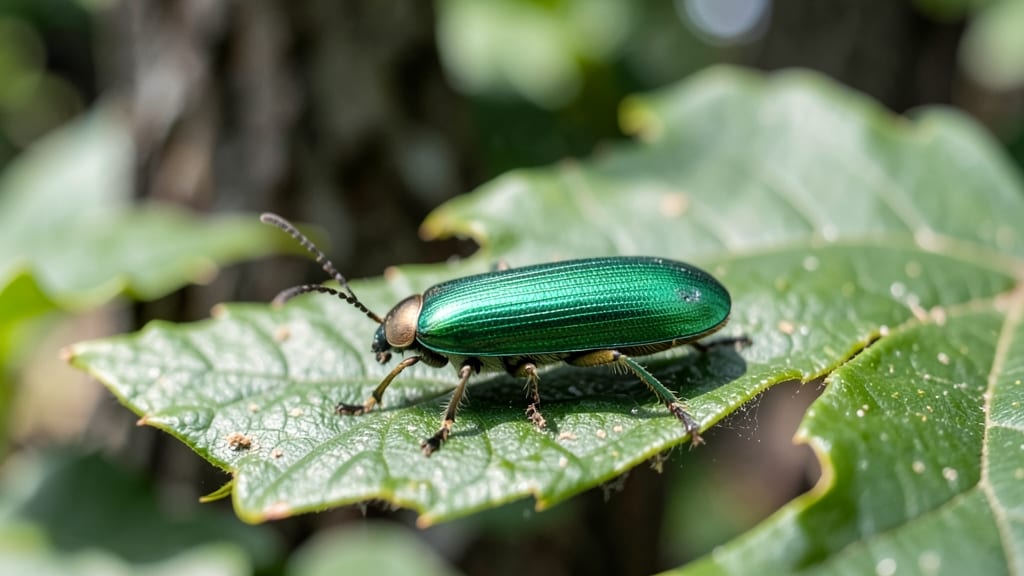
Fruit tree borer treatment turns a thriving orchard into a death sentence if you wait too long. 🌳 The drill-out and seal method saved my 20-year-old peach tree last summer when I found the telltale sawdust piles at the base—this is how you stop the spread before the tree collapses.
Borers don’t just attack weak trees; they target healthy ones too, tunneling through bark to lay eggs. The key is acting fast—within 24 hours of spotting frass (sawdust-like debris) or wilting branches. This method works for apples, cherries, and pears, and it’s 100% organic once you’ve removed the larvae.
You’ll drill out each tunnel with a 1/8-inch bit, flush the holes with water, then seal them with a natural putty made from beeswax and turpentine.
The tree heals faster than you’d expect, and the borers get no second chance to return. Within 4-6 weeks, new growth proves the damage is contained.
For long-term protection, wrap trunks with borer-resistant tape in early spring and monitor for fresh frass weekly. The drill-out method isn’t just a fix—it’s a game-changer for saving mature trees that store-bought sprays can’t touch.
Root Causes of Fruit Tree Borer Infestations
Fruit tree borers—those sneaky, wood-boring beetle larvae—don’t just appear out of nowhere. Their presence is usually a sign of underlying stress in your tree, creating the perfect conditions for an infestation.
Understanding why these pests target your trees is the first step in preventing them. Let’s break down the key factors that turn your healthy-looking fruit trees into buffets for borers.
---
🌳 Stress from Environmental Factors Borer larvae thrive in trees that are already struggling. Environmental stressors like drought, extreme heat, or flooding weaken a tree’s natural defenses.
When roots can’t absorb enough water or nutrients, the tree diverts energy away from producing protective resins and bark—making it easier for borers to chew through. Even sudden temperature swings (like late spring frosts) can shock a tree into a vulnerable state.
🔍 Signs of Stress: - Wilting leaves (even when soil is moist) - Premature leaf drop - Cracked or peeling bark - Stunted new growth
💡 Pro Tip: Regular deep watering (1–2 inches per week) and mulching (2–4 inches of organic mulch) help trees retain moisture and reduce stress. Avoid over-fertilizing, which can burn roots and attract pests.
---
🔪 Open Wounds from Pruning or Damage Borer adults lay their eggs in cracks, splits, or fresh wounds—so if your tree has been pruned improperly, damaged by hail, or gnawed by rodents, it’s an open invitation.
Even sun scorch (dry, dead patches on bark) creates entry points. Once larvae hatch, they burrow into these weak spots, tunneling beneath the bark to feast on cambium (the tree’s lifeline for nutrient transport).
🚨 Common Injury Triggers: - Topping trees (cutting back to stubs) - Improper pruning cuts (tearing bark instead of making clean cuts) - Lawnmower or weed whacker damage near the trunk - Animal gnawing (deer, rabbits, or rodents)
🔥 Fix It: Always sanitize pruning tools with rubbing alcohol to prevent disease spread, and seal wounds with tree wound paint (for small cuts) or pruning sealant. For large wounds, use pruning tape to protect the area.
---
🦠 Fungal or Bacterial Infections Trees already battling root rot, canker diseases, or powdery mildew are prime targets. Fungal infections like Armillaria root rot or cytospora canker weaken structural integrity, making it easier for borers to invade.
Even aphid or scale infestations (which suck sap) stress the tree, leaving it defenseless.
🐛 Secondary Pests Paving the Way Some borers, like the peach tree borer, are attracted to trees already infested with spider mites or bark beetles. These pests create sap oozing or honeydew, which signals to borers that the tree is struggling.
🌡️ Diagnose Early: - Look for oozing sap or sawdust-like frass (borer poop) at the base of the tree. - Check for fungal growth (mushrooms at the base) or discolored bark. - Inspect for other pests (e.g., tiny webs from mites).
✨ Preventative Care: Apply neem oil or copper fungicide to treat existing infections, and encourage beneficial insects (like ladybugs) to control sap-sucking pests.
--- 🌿 Competition for Resources Trees planted too close together compete for sunlight, water, and nutrients, leading to stunted growth and weak branches. Borers exploit these underdeveloped trees because they lack the strength to fight off invaders.
Even root-bound trees (grown in small containers too long) suffer from poor circulation and become easy targets.
📊 Spacing Guidelines: - Apple/Pear: 20–25 feet apart - Peach/Nectarine: 15–20 feet apart - Citrus: 10–15 feet apart
🎯 Actionable Fix: If your trees are crowded, thin out weaker specimens or prune to improve airflow. For container-grown trees, repot into larger spaces and loosen roots before transplanting.
--- 🐛 Peak Egg-Laying Seasons Most fruit tree borers (like the lesser peach tree borer) lay eggs in late spring to early summer when trees are flush with new growth. If your tree is already stressed from spring pruning, flowering, or fruiting, it’s more susceptible.
Even dormant trees in winter can harbor borer pupae in the bark, emerging when conditions warm up.
🕰️ Critical Windows: - Spring: New shoots = soft targets for egg-laying. - Summer: Larvae hatch and tunnel aggressively. - Fall/Winter: Adults emerge to lay eggs for next year.
💡 Beat the Cycle: Monitor trees monthly during growing season, and treat wounds immediately to disrupt the borer’s life cycle. Reflective mulch (like aluminum foil) can deter adult borers from landing.
Quick Fixes for Fruit Tree Borers
Now that you understand why fruit tree borers wreak havoc on your trees, let’s tackle the how—practical, step-by-step solutions to save your plants and keep them thriving. These methods focus on organic, drill-out-and-seal techniques, along with preventive measures to stop future infestations.
---
Before treating, confirm the problem. Look for: - Sawdust-like frass (borer waste) at the base of the tree or near holes. - Small exit holes (about 1/8 inch wide) in the bark. - Wilting leaves, oozing sap, or dying branches—signs the borer is active inside.
💡 Pro Tip: Tap the trunk with a knocker or screwdriver—if it sounds hollow, borers are likely tunneling inside.
---
This is the most effective way to remove adult borers and larvae without harsh chemicals.
#### 🔪 What You’ll Need: - Hand drill or electric drill (with a 1/4-inch to 1/2-inch bit) - Wooden dowels or toothpicks (to probe tunnels) - Rubbing alcohol or soapy water (to kill exposed borers) - Organic sealant (like tree wound dressing or pruning seal) - Gloves and safety goggles (borer frass can irritate skin/eyes)
#### 👨🍳 Step-by-Step Drill-Out Process: 1. Locate the holes—Use a flashlight to spot entry/exit points in the bark. 2. Drill into the tunnel—Insert the drill bit at a 45-degree angle into each hole.
Drill 1–2 inches deep (most borers are within 6 inches of the surface). 3. Probe for larvae—Gently push a wooden dowel or toothpick into the tunnel to stir up and kill any remaining borers.
4. Drown the borers—Pour rubbing alcohol or soapy water into the hole to suffocate any survivors. 5. Repeat weekly—Borers may re-infest, so check and treat every 5–7 days for 2–3 weeks.
✨ Pro Tip: Work early in the morning when borers are least active for better results.
---
After removing borers, seal the holes to stop new ones from entering.
#### 🔧 How to Seal Properly: 1. Clean the hole—Use a brush to remove frass and debris.
2. Apply an organic sealant—Options include: - Tree wound dressing (commercial, non-toxic) - Pruning seal (beeswax-based) - Hydrogen peroxide (3%) (natural disinfectant) 3. Smooth the area—Fill the hole with sealant and slightly overfill to create a barrier.
4. Monitor for new activity—Check sealed areas weekly for fresh frass or holes.
🌡️ Pro Tip: Avoid paint or caulk—these can trap moisture and promote rot.
---
An ounce of prevention is worth a pound of cure! Follow these long-term strategies to keep borers away:
#### 🌳 Tree Health Maintenance - Water deeply but infrequently—Borers thrive in stressed trees.
Keep soil moist but well-drained. - Fertilize properly—Use balanced organic fertilizer (like compost or fish emulsion) to strengthen tree immunity. - Prune correctly—Remove dead, diseased, or crossing branches to reduce entry points.
#### 🐛 Natural Borer Deterrents - Beneficial nematodes (Heterorhabditis bacteriophora)—Apply to soil to kill borer larvae. - Neem oil spray—Mix 1 tbsp neem oil + 1 tsp mild soap per gallon of water and spray every 2 weeks (especially on bark). - Parasitic wasps—Introduce braconid wasps, which naturally prey on borers.
#### 🚫 Physical Barriers - Tree wraps—Wrap the trunk with aluminum foil or plastic wrap (borers dislike the texture). - Sticky traps—Place borer pheromone traps near the tree to catch adults.
🎯 Pro Tip: Healthy trees are borer-resistant! Focus on soil health, proper pruning, and regular inspections to outsmart borers before they strike.
---
- Spring (March–May): Treat as soon as you spot signs—borers are most vulnerable when emerging. - Summer (June–August): Monitor weekly and re-seal holes if needed. - Fall (September–November): Apply preventive sprays (neem oil) and mulch heavily to protect roots.
--- By following these organic, drill-out-and-seal methods, you’ll eliminate existing borers and prevent future infestations—saving your fruit trees for years to come! 🌳💪
Frequently asked questions
How do I know if my fruit tree has borers before the damage is too severe?
Look for sawdust-like frass (borer waste) at the base of the trunk or near holes, small exit holes (about 1/8-inch wide) in the bark, or oozing sap. Tap the trunk—if it sounds hollow, borers are likely tunneling inside. Early signs include wilting leaves or dying branches even when the tree appears healthy.
Can I use chemical pesticides instead of the drill-out method?
Chemical pesticides like carbaryl or permethrin can kill borers, but they’re less effective once larvae tunnel deep into the wood. For organic solutions, neem oil or beneficial nematodes work best as preventatives. The drill-out method targets the problem directly, while chemicals often miss hidden larvae.
Will sealing the holes completely stop borers from returning?
Sealing holes reduces reinfestation but doesn’t guarantee 100% protection—new borers may find cracks or untreated areas. Recheck sealed holes weekly for fresh frass. Combine sealing with tree wraps or reflective mulch to deter adult borers from laying eggs.
How often should I monitor my fruit trees for borers?
Inspect trees monthly during growing season (spring to fall) and weekly if you’ve had past infestations. Focus on trunk cracks, fresh wounds, and frass piles. Early detection is key—borers can kill a tree in weeks if left untreated.
What’s the best time of day to drill out borers?
Work early in the morning (before 8 AM) when borers are least active. This increases your chances of killing larvae and adults before they retreat deeper into the wood. Avoid drilling in direct sunlight—the tree’s sap flow is slower in the morning, making it easier to spot tunnels.