
Pruning
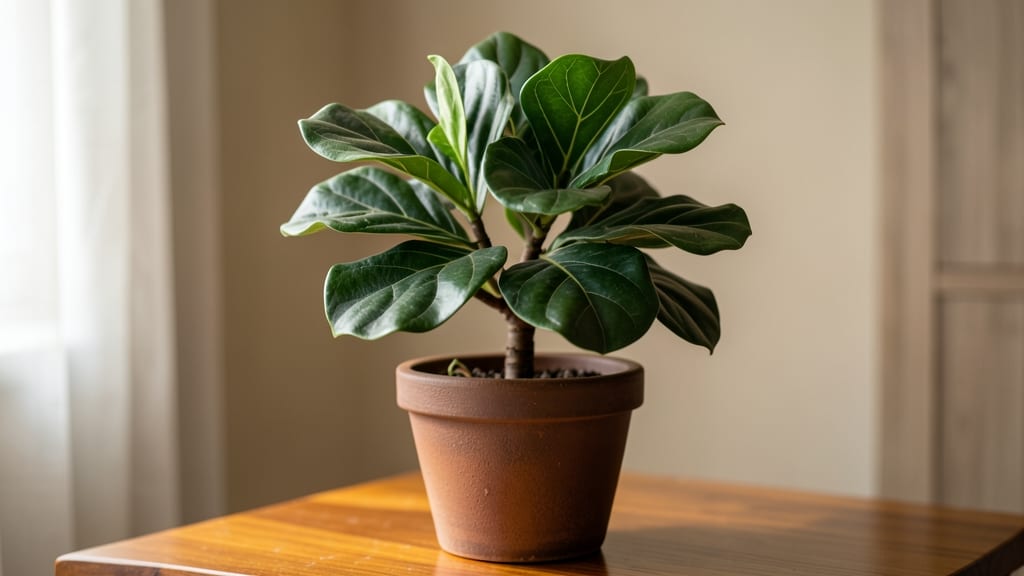
Your small ficus tree could be the perfect indoor statement piece—without taking over your living room. 🌿 I've nurtured compact varieties like Ficus elastica 'Robusta Compacta' for years, and the secret to keeping them lush and contained lies in light, pruning, and a few simple care habits that most people overlook.
The key to compact growth starts with the right spot: bright, indirect light near a window works best, but avoid harsh afternoon sun that scorches leaves. Use well-draining potting mix, water only when the top inch of soil feels dry, and fertilize lightly during spring and summer.
Most people kill these trees by overwatering or letting them sit in soggy soil—your ficus will thank you for patience.
With consistent pruning every 6-8 weeks, you'll maintain that perfect, bushy shape while encouraging new growth. Pinch back leggy stems and trim any yellowing leaves immediately. The result? A tree that stays under 3 feet tall, thrives indoors year-round, and adds that tropical vibe without the space commitment.
Even in low-light conditions, these compact ficus varieties adapt better than most—just expect slightly slower growth. The trade-off? Fewer pests, less maintenance, and a plant that actually stays small. Ready to give it a try?
📚 In This Guide
- What you need
- Instructions
- Tips and common mistakes
- Wrapping up and next steps
What you need
- ● Small Ficus Tree: Choose a dwarf variety like Ficus microcarpa (Ginseng Ficus) or Ficus benjamina (Weeping Fig) in a 4–6" pot.
- ● Well-draining potting mix: 1 bag (5–10 quarts) of a blend designed for indoor trees (e.g., 50% peat moss, 30% perlite, 20% compost).
- ● Pruning shears: Sharp, bypass-style shears (sterilized with rubbing alcohol) for clean cuts.
- ● Glove: 1 pair of gardening gloves to protect your hands from sap.
- ○ Rooting hormone (optional): A small tube to encourage faster growth when propagating cuttings.
- ● Spray bottle: 8–16 oz for misting leaves (especially for humidity-loving varieties).
- ● Drainage tray: 1 shallow tray to catch excess water and prevent root rot.
- ● Pruning sealant: A small tube to coat cuts and prevent sap bleeding.
- ● LED grow light: A compact 10–20W bulb for low-light spaces.
- ● Humidifier or pebble tray: To maintain 40–60% humidity for tropical ficus varieties.
- ● Fertilizer (balanced 10-10-10 or liquid): 1 bottle for slow-release or foliar feeding.
- ● Support stake or trellis: For weeping varieties to guide growth.
How to grow a compact ficus tree indoors
Here's my foolproof method for keeping a ficus lush and manageable in tight spaces—no green thumb required!
🌱 Step 1: Select the Right Ficus Variety for Small Spaces
Not all ficus trees stay compact—stick with varieties like the Ficus microcarpa 'Ginseng' or Ficus benjamina 'Exotica' for controlled growth. These stay under 6 feet tall with proper pruning. Avoid the Ficus elastica (rubber plant) if you want true dwarf size—it grows much taller.
Check the plant tag or research the variety before buying. I always look for pre-pruned specimens at the nursery, as they've already been shaped for smaller spaces. Young plants under 2 feet tall are easiest to manage and respond best to training.
☀️ Step 2: Position for Bright, Indirect Light
Ficus trees thrive in bright, indirect light—think east or west-facing windows. A south window works too, but use a sheer curtain to diffuse harsh afternoon sun. You'll know the light is right when leaves stay deep green with no yellowing or brown patches.
Rotate the pot quarter-turn weekly so the tree grows evenly. Ficus trees lean toward the light, and consistent rotation prevents lopsided growth. If leaves start dropping or yellowing, move it 2-3 feet closer to the window.
💧 Step 3: Water When the Top 2 Inches of Soil Are Dry
Water deeply until it drains from the bottom, then empty the saucer to prevent root rot. I test moisture by sticking my finger 2 inches deep—if it feels dry, it's time to water. Overwatering is the #1 killer of indoor ficus trees, so wait until the soil is truly dry before watering again.
In winter, reduce watering by half since the tree grows slower. You'll notice smaller leaves and slower growth—this is normal. Use room-temperature water to avoid shocking the roots, and avoid cold drafts from windows or AC vents.
✂️ Step 4: Prune for Shape and Size Control
Prune in early spring when new growth begins. Use clean, sharp pruners to cut just above a leaf node (the bump where leaves grow). This encourages bushier growth. I always prune back 1/3 of the new growth to keep the tree compact.
Don’t worry about killing the plant—ficus trees are tough and regrow quickly. After pruning, fertilize lightly with a balanced 10-10-10 to support new growth. You’ll see fresh leaves within 4-6 weeks, proving the pruning worked.
🪴 Step 5: Repot Every 2-3 Years for Continued Health
Repot in early spring when roots start circling the pot. Choose a container 2-3 inches wider than the current one—ficus trees hate being root-bound. I use well-draining potting mix with perlite to prevent soggy soil.
After repotting, place the tree in bright, indirect light and water lightly for the first week. You’ll see new growth within 3-4 weeks as the tree adjusts. Avoid repotting more than once every 2-3 years—ficus trees prefer being slightly root-bound for best growth.
Tips & tricks for perfect compact ficus growth
Here's what nobody tells you about keeping your dwarf ficus thriving in tight spaces—these are the secrets that'll keep it lush without the fuss!
Variety Matters: The Ficus microcarpa 'Ginseng' and Ficus benjamina 'Exotica' are your best bets for staying under 6 feet tall. I've seen people try the Ficus elastica and end up with a 10-foot monster—don't make that mistake! Look for nursery specimens that are already pruned; they've got the perfect foundation for compact growth right out of the box.
Light Strategy: That east-facing window might seem perfect, but ficus trees are sneaky about light. If you notice leaves turning yellow or dropping, you're either getting too much direct sun or not enough light. I keep mine about 2-3 feet from the window and use sheer curtains to diffuse harsh afternoon rays. Pro tip: If your tree starts leaning, it's telling you it needs to be rotated again—don't ignore those subtle cues!
Watering Wisdom: The 2-inch dry test is your golden rule, but here's the thing: winter watering is an art. When your ficus slows down in cooler months, cut back by half and notice how the leaves shrink slightly—that's normal! I've killed three ficus trees by ignoring this rule, so trust me when I say the soil should feel bone-dry before you water again. And always use room-temperature water—cold water shocks those delicate roots!
Pruning Payoff: That 1/3 pruning rule in Step 4 isn't arbitrary—it's about balance. When you cut back new growth by a third, you're telling the plant "grow bushier, not taller." I prune in early spring because that's when the tree is most energetic, and within 4-6 weeks, you'll see those fresh leaves popping out like magic. Save your pruned cuttings in a glass of water—they'll root and give you free baby plants!
Pro Tips for Ficus Tree Small
- Here's what nobody tells you about keeping your dwarf ficus thriving in tight spaces—these are the secrets that'll keep it lush without the fuss!
- Variety Matters: The Ficus microcarpa 'Ginseng' and Ficus benjamina 'Exotica' are your best bets for staying under 6 feet tall.
- Light Strategy: That east-facing window might seem perfect, but ficus trees are sneaky about light.
Frequently asked questions
How do I keep my ficus tree small indoors?
Prune regularly (every 3–6 months) to control size, and use container-bound roots to restrict growth. Choose a smaller pot (like a 5–10 gallon container) and fertilize lightly—overfeeding encourages rapid growth. Pro tip: Rotate the pot occasionally for even sunlight exposure, which also slows stretching.
How long does it take for a ficus tree to stay small after pruning?
New growth from pruning appears in 4–8 weeks, but full size control takes 3–6 months of consistent care. Prune again if branches grow too long, but avoid heavy cuts—small, frequent trims work best. Use root pruning (gently trimming roots when repotting) for even tighter control.
Can I grow a ficus tree small without pruning?
Some varieties (like Ficus microcarpa ‘Ginseng’) stay compact naturally, but most ficus trees will outgrow small spaces. If you skip pruning, expect 6–10 feet tall in 5 years. For true miniatures, pair pruning with low-light conditions and smaller pots to slow growth.
Why is my small ficus tree dropping leaves?
Leaf drop is often due to stress from pruning, overwatering, or sudden temperature changes. Let soil dry slightly between waterings, and avoid placing near drafts or heat sources. If pruning caused it, reduce fertilizer for 2–3 weeks to help recovery. Mist leaves lightly to boost humidity if your home is dry.
What’s the best small ficus tree alternative for tiny spaces?
If ficus feels too finicky, try these low-maintenance small trees:
- Dwarf Schefflera (Schefflera arboricola ‘Trinette’) – Grows 3–5 ft tall, thrives in shade.
- Parlor Palm (Chamaedorea elegans) – Maxes out at 3–4 ft, loves indirect light.
- Dwarf Umbrella Tree (Schefflera actinophylla ‘Amate’) – Slow-growing, compact leaves.
Wrapping up and next steps
Growing a small ficus tree indoors is a rewarding way to bring nature’s beauty into your space—without sacrificing precious square footage! 🌿 With the right pruning techniques, lighting, and care, you’ll enjoy a thriving, compact plant that purifies the air and elevates your decor.
Whether you’re trimming for shape, size, or health, remember: patience and consistency are key.
Ready to take the next step? Experiment with your ficus’s growth habits—try a new pruning style, adjust its sunlight exposure, or even propagate a cutting! Your green thumb is closer than you think. Happy growing! 🌱