
Pruning
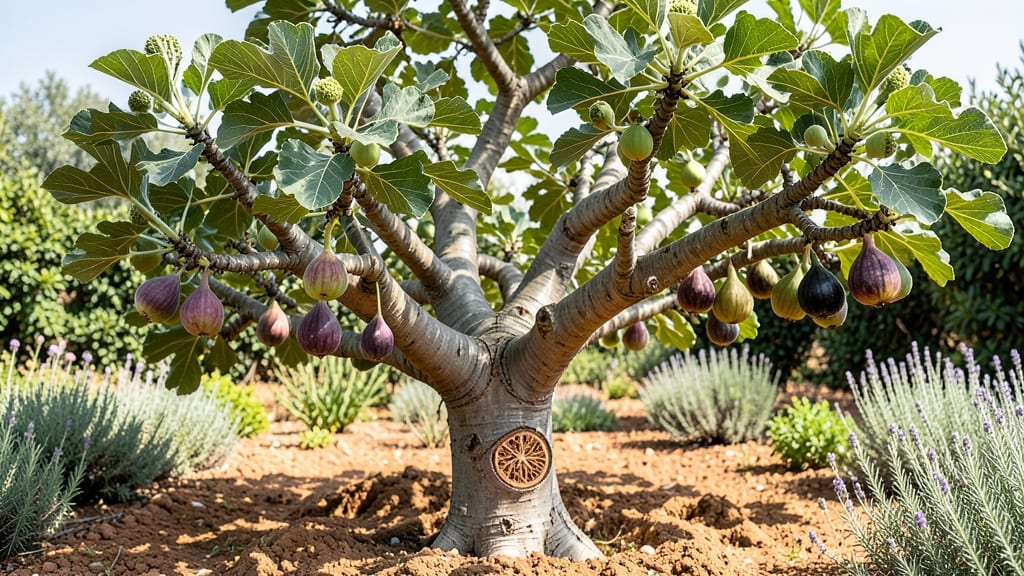
Understanding the fig tree fruit cycle 🍈 is the secret to turning your backyard into a year-round fig harvest.
Did you know fig trees produce fruit twice a year—and sometimes even more? Most gardeners miss the first crop because they don’t recognize the subtle signs of early budding, but timing is everything. One wrong move, and you could end up with blank figs (unfertilized fruit) or a disappointing yield.
In this guide, I’ll walk you through the two main cycles—breba (early fruit) and the main crop—so you can predict when your tree will bear, adjust care for peak production, and troubleshoot issues before they ruin your harvest.
Whether you’re in Zone 6 or a warmer climate, these stages are your roadmap to a bountiful fig tree.
You’ll learn how to spot the first signs of fruit formation, when to prune for better airflow, and how to encourage more fruit—without overdoing it. By the end, you’ll know exactly when to expect ripe figs and how to keep your tree productive for years.
The two main fig tree fruit cycles: breba and main crop explained
Fig trees (Ficus carica) are fascinating because they produce fruit not just once, but often twice—or even three times—per year. The two primary fruit cycles are called the breba crop and the main crop, and understanding them is essential for maximizing your harvest.
These cycles are influenced by climate, variety, and even your tree’s age, making each fig tree’s production unique.
In warm climates (Zones 8-10), fig trees can produce fruit year-round, sometimes even three crops annually, while temperate climates (Zones 6-7) typically see just two cycles per year.
The breba crop appears first, followed by the larger main crop, with some varieties like 'Brown Turkey' or 'Celeste' producing a third, smaller crop in late summer or fall.
🌱
| Cycle Name | Timing (Zones 7-10) | Timing (Zones 6) | Fruit Size | Key Notes |
|---|---|---|---|---|
| Breba Crop | Late spring (April-May) | Early summer (June-July) | Smaller | Develops from buds formed the previous year; often blank (unfertilized) in cool years. |
| Main Crop | Summer (July-Sept) | Late summer (Aug-Oct) | Larger | Develops from current year’s growth; usually the most abundant harvest. |
| Third Crop (Some Varieties) | Fall (Sept-Nov) | Rare (if any) | Small | Forms on current year’s wood; common in warm climates like 'Celeste' or 'Violette de Bordeaux'. |
The breba crop is the first to appear, typically in late spring, and forms from buds that developed on the previous year’s wood. These figs are usually smaller and less flavorful than the main crop, but they’re a delicious early harvest.
In cooler climates (Zone 6), the breba crop may not develop at all or could be blank (unfertilized) due to cold weather disrupting pollination.
If your tree produces a third crop in fall, it’s likely from a variety like 'Celeste' or 'Brown Turkey,' which thrive in warm climates. This crop forms on new wood and is often the smallest of the three.
To encourage all three cycles, ensure your tree gets full sun, consistent water, and balanced fertilizer during the growing season.
In temperate zones (6-7), the main crop is usually the only reliable harvest, appearing in late summer. If your breba crop fails, don’t worry—focus on supporting the main crop with regular pruning and proper watering.
Prune in late winter to remove dead wood and open the canopy for better airflow and sunlight penetration.
Some gardeners report their fig trees produce blank figs (unfertilized fruit) during the breba cycle, especially in cooler years. This happens when pollinating wasps (which figs rely on) are less active. To improve fertilization, plant companion flowers like borage or lavender nearby to attract more pollinators.
🌿
Climate plays a huge role in fig tree fruit cycles. In Zone 9-10 climates, fig trees can produce fruit year-round, with minimal breaks between crops. Meanwhile, in Zone 6-7, cold snaps can delay or prevent the breba crop entirely.
If you’re in a cooler zone, choose cold-hardy varieties like 'Chicago Hardy' or 'Desert King' for more reliable harvests.
To maximize your fig tree’s potential, monitor bud development closely. The breba crop’s buds appear first, followed by the main crop’s buds in early summer. If you notice buds forming but no fruit, it could signal a need for more phosphorus-rich fertilizer or better pollination conditions.
🪴
How to identify and support each stage of the fig fruit cycle
Fig trees have a fascinating fruit cycle that often produces two crops per year, with some varieties even yielding three harvests. Recognizing each stage—from bud formation to ripening—helps you adjust care to maximize fruit production.
The key stages include bud development, flowering, fruit set, and maturation, each requiring specific attention.
Understanding these stages lets you time pruning, fertilizing, and watering perfectly. For example, pruning too late can remove potential fruit buds, while overwatering during ripening can dilute flavor. Let’s break down each stage and how to support your fig tree for a bountiful harvest.
-
1
Bud Formation (Late Winter/Early Spring)
Look for small, green fig buds along branches. Prune dead wood but avoid cutting near buds.
-
2
Flowering (Spring)
Figs don’t have visible flowers. Instead, watch for tiny bumps that swell into fruit. Ensure full sun and moderate water.
-
3
Fruit Set (Early Summer)
Figs grow rapidly. Reduce nitrogen fertilizer to prevent leafy growth over fruit. Apply phosphorus-rich fertilizer instead.
-
4
Ripening (Late Summer/Fall)
Figs ripen when skin deepens in color. Reduce watering slightly to concentrate sweetness. Harvest when stem detaches easily.
During bud formation, avoid heavy pruning near emerging buds, as this can reduce next year’s crop. Focus on removing crossing branches and dead wood to improve airflow, which prevents fungal issues like fig rust. Use sharp, sterilized pruners to make clean cuts just outside the branch collar.
When figs are setting, shift your fertilizer to one with higher phosphorus (e.g., 5-10-10) to support fruit development. Over-fertilizing with nitrogen now will encourage leaf growth at the expense of fruit. Pair this with deep watering—figs need consistent moisture but hate soggy roots, so ensure well-draining soil.
As figs ripen, reduce watering slightly to enhance sweetness and firmness. Harvest in the morning when temperatures are cooler to preserve quality. If your figs aren’t ripening evenly, check for uneven sunlight exposure or nutrient deficiencies, like lack of potassium or magnesium, which can cause poor color development.
Pro tip: If your fig tree produces blank figs (unfertilized fruit), it may need better pollination. While figs are technically parthenocarpic (self-pollinating), warm temperatures and high humidity can improve fruit set. Consider lightly shaking branches during flowering to encourage natural pollination.