
Pruning
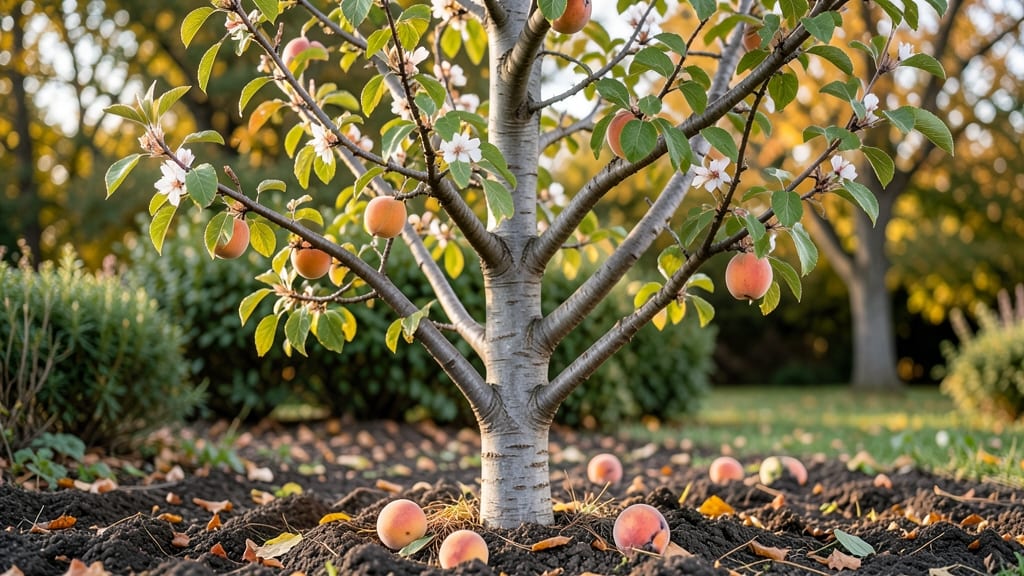
The peach tree cycle isn’t just about seasons—it’s about reading the tree’s whispers before the wind even stirs. 🌸 From the first blush of spring buds to the crimson blush of ripe fruit, every stage demands a different touch, and getting it wrong can mean lost harvests or stunted growth.
I’ve watched my own peach tree go from a hopeful sapling to a fruit-bearing giant by paying attention to those subtle shifts: when the buds swell, when the leaves unfurl, and how the branches respond to pruning.
Spring is all about balance—too much warmth too soon can trick the tree into blooming early, only to get nipped by frost.
That’s why I time my pruning for late winter, right before the chilling hours end, and I never cut back more than a third of the branches at once.
Summer’s the payoff: thick, velvety leaves and the promise of fruit, but only if you’ve given the tree enough water to handle the heat without stress. Then comes autumn, when the fruit ripens and the tree starts prepping for dormancy, storing energy in its roots for next year’s growth.
What you’ll end up with is a peach tree that produces consistently healthy fruit year after year—not just a few lucky harvests. The secret isn’t complicated: it’s about working with the tree’s natural rhythm, not against it.
You’ll spot the signs early—buds that refuse to open, leaves that yellow too soon—and know exactly how to adjust. Even in warmer climates where chilling hours are scarce, there are ways to coax the tree into dormancy and keep it productive.
This cycle isn’t set in stone—it’s a dance, and every tree has its own tempo. That’s why I track my tree’s progress in a simple notebook, noting when buds break, when fruit sets, and how long it takes to ripen.
Once you understand the rhythm, you’ll see the tree’s signals before anyone else does. Here’s how to stay in sync with it.
📚 In This Guide
- What you need
- Instructions
- Tips and common mistakes
- Wrapping up and next steps
What you need
- ● Pruning shears: Sharp, bypass-style shears (4-6" blade) for clean cuts. Sterilize with rubbing alcohol between cuts to prevent disease.
- ● Loppers: For thicker branches (2-3" diameter), with a long handle (24-36") for leverage.
- ● Pruning saw: Curved-tooth saw for branches over 3" thick. Replace blades annually for precision.
- ● Disposable gloves: Nitrile-coated for grip and protection against thorns.
- ● Rake: Bow rake (12-18" width) to clear debris from the base.
- ● Organic mulch: 3-4 inches of wood chips or straw to retain moisture and suppress weeds.
- ● Fertilizer: Balanced (10-10-10) or citrus-specific fertilizer for spring/summer.
- ● Slow-release (osmocote) for fall/winter.
- ○ Watering can or hose: Drip irrigation (optional but ideal) for consistent moisture.
- ○ Tree wound dressing: Pruning sealant (optional but helpful for large cuts >1" diameter).
- ● Pole saw: For high branches (extendable to 8-10').
- ● Ladder: Aluminum extension ladder (20-24' tall) for safety.
- ● Tree sprayer: For dormant oil (winter) or fungicide (spring) applications.
- ● Soil test kit: To check pH and nutrient levels (ideal pH: 6.0-6.5).
- ● Bird netting: Fine-mesh (1/2") to protect fruit from pests like starlings.
- ● Tree ties: Soft fabric or rubber ties to support young branches.
How to maintain a healthy peach tree through every season
Keeping your peach tree thriving year-round means adapting care to each season’s needs—spring’s new growth, summer’s fruit load, and winter’s dormancy.
🌱 Step 1: Spring – Prune and Fertilize for New Growth
Start in late winter or early spring, just as buds begin to swell. Prune out dead, diseased, or crossing branches first—cut them back to healthy wood at a 45-degree angle just above an outward-facing bud. This opens the canopy for sunlight and air circulation, which prevents fungal issues later.
After pruning, apply a balanced 10-10-10 fertilizer (or organic compost) around the tree’s drip line—not the trunk. Water deeply to help nutrients soak in. You’ll see fresh green leaves emerge within 2-3 weeks, signaling the tree is waking up and ready for the growing season.
☀️ Step 2: Summer – Monitor Water and Pest Pressure
Peach trees need 1-2 inches of water weekly during summer, especially when fruit is forming. Water deeply at the base—never overhead—to avoid fungal diseases like brown rot. You’ll know moisture is right when the top 2-3 inches of soil feel damp but not soggy.
Watch for pests like aphids or peach tree borers. If you spot chewed leaves or sawdust-like frass, spray with neem oil or insecticidal soap. A healthy tree will bounce back quickly, but neglect leads to stress, which weakens fruit quality and next year’s blooms.
✂️ Step 3: Fall – Thin Fruit and Prepare for Dormancy
When peaches reach 1 inch in diameter, thin them to 6-8 inches apart on the branch. This ensures larger, higher-quality fruit and prevents branches from breaking under the weight. Remove any misshapen or damaged fruit immediately—they’ll steal energy from the rest.
Stop fertilizing by mid-fall to allow the tree to harden off. Rake up fallen leaves and debris to reduce disease risk over winter. A dormant tree should look clean and sturdy, with no lingering pests or damaged branches.
❄️ Step 4: Winter – Protect and Plan for Next Year
If your region gets heavy snow or freezing winds, wrap the trunk with burlap or tree wrap to prevent sunscald. Avoid plastic—it traps moisture and can cause rot. Prune lightly in late winter to remove any dead wood that appeared over winter.
This is also the time to plan your spring pruning and fertilizing schedule. A well-rested tree will burst into bloom in spring, setting the stage for another productive season. Keep an eye on the bark for cracks or peeling—these can signal stress or disease, which you’ll want to address early.
Tips & tricks for year-round peach tree care
Keeping your peach tree healthy through every season takes a few key strategies—here's what I've learned to prevent common pitfalls and maximize fruit production.
Pruning Precision: When you're pruning in Step 1, look for branches that are crossing or growing inward—they create shaded spots where moisture lingers, inviting fungal diseases. I always make my cuts at a 45-degree angle just above an outward-facing bud. This isn't just about aesthetics; it's about directing the tree's energy toward healthy growth. Use sharp, clean pruners to avoid tearing the bark, which can introduce infections.
Fertilizer Timing: The 2-3 week window mentioned for seeing new leaves after fertilizing can vary based on your climate. In cooler spring regions, you might need to wait up to 4 weeks. I recommend testing your soil first—if it's already rich in nutrients, you might only need half the recommended 10-10-10 fertilizer. Over-fertilizing in spring can lead to excessive leaf growth at the expense of fruit production, which is the opposite of what we want.
Watering Wisdom: During summer's critical 1-2 inches weekly watering (Step 2), I've found that morning watering is ideal—it gives the tree time to absorb moisture before evening humidity sets in. Use a rain gauge or tuna can to measure your watering accurately. The top 2-3 inches of soil should feel damp but not soggy; if it's dry at this depth, it's time to water again. Mulching around the base helps retain moisture and regulates soil temperature, reducing the need for frequent watering.
Pest Prevention: For those pesky aphids and borers, I've had great success with a homemade spray of 1 tablespoon of dish soap mixed with 1 quart of water. Spray the undersides of leaves where pests often hide. If you notice sawdust-like frass (borer droppings), act immediately—borers can kill a tree in just a few months. Regular inspections every 2 weeks during growing season catch problems before they become serious.
Pro Tips for Peach Tree Cycle
- Keeping your peach tree healthy through every season takes a few key strategies—here's what I've learned to prevent common pitfalls and maximize fruit production.
- Pruning Precision: When you're pruning in Step 1, look for branches that are crossing or growing inward—they create shaded spots where moisture lingers, inviting fungal diseases.
- Fertilizer Timing: The 2-3 week window mentioned for seeing new leaves after fertilizing can vary based on your climate.
Frequently asked questions
Got questions about your peach tree’s growth cycle? You’re not alone!
Here are answers to the most common queries to help you keep your tree thriving year-round.
When is the best time to prune a peach tree?
Prune your peach tree late winter or early spring (just before buds swell) to remove dead wood and shape the tree. Avoid heavy pruning in fall—it can stimulate new growth that’s vulnerable to frost. Light maintenance pruning can happen in summer to improve airflow, but focus on winter for major work.
How do I protect my peach tree in winter?
Peach trees are semi-dormant in winter but still need care! Mulch the base with 2–4 inches of organic matter (like straw or wood chips) to insulate roots. Wrap the trunk with tree guard or burlap if temps drop below 10°F (-12°C). Avoid heavy snow buildup on branches—gently shake it off to prevent breakage.
Why aren’t my peach tree’s fruits ripening?
Several factors can delay ripening: inconsistent watering (drought stress), poor sunlight (peach trees need 6+ hours/day), or nutrient deficiencies (test soil for nitrogen/phosphorus). Check for pests like aphids or diseases like brown rot, which can reduce fruit quality. Thin fruits early in the season to improve size and sweetness.
Can I grow peaches in containers?
Yes, but it’s challenging! Peach trees need deep roots (minimum 18–24" pot depth) and dwarf varieties (like ‘Bonanza’ or ‘Redhaven’). Use a well-draining potting mix and move the container to a sunny spot in full sun. Expect smaller yields—container trees are best for ornamental value or small-scale fruit production.
How do I prevent peach tree pests naturally?
Start with cultural controls: Remove fallen fruit (to deter borers), prune for airflow (reduces humidity for fungal issues), and apply neem oil in spring as a preventive spray. Introduce beneficial insects like ladybugs for aphids. For severe infestations, use horticultural oil—always follow label instructions!
Wrapping up and next steps
Understanding your peach tree cycle is the secret to lush blooms and juicy fruit year after year! From winter pruning to summer care, each season plays a vital role in keeping your tree thriving.
With the right tools, timing, and a little patience, you’ll enjoy a bountiful harvest and stunning blossoms for seasons to come.
Ready to put your new knowledge into action? Start by scheduling your next pruning session—whether it’s shaping branches in late winter or thinning fruit in early summer. Your peach tree will thank you with vibrant growth and delicious rewards! 🌱🍑