
Container Gardens
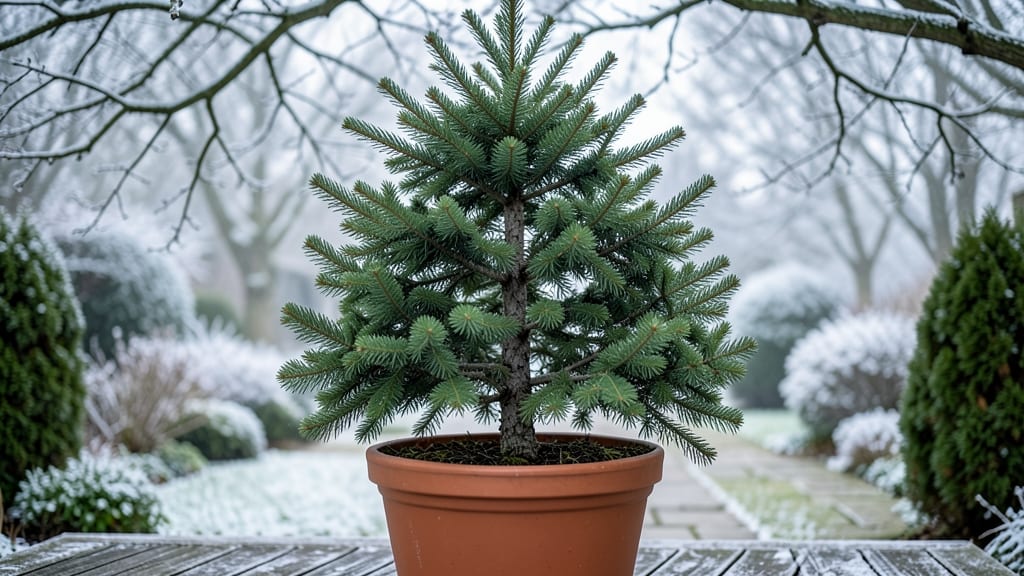
A potted fir tree brings the forest's quiet majesty to your porch or patio year-round. 🌲 I've nurtured these evergreens for years, and the secret to their thriving lies in the right container, soil, and care—especially when roots are confined to pots.
Unlike in-ground trees, potted firs need extra attention to drainage, moisture, and seasonal shifts. Start with a 12- to 18-inch diameter container made of breathable material like terracotta or plastic with drainage holes.
The soil mix should be 60% acidic peat or pine bark, 30% perlite for aeration, and 10% slow-release fertilizer. Water deeply when the top inch feels dry, but avoid soggy soil—root rot is the silent killer of potted conifers.
Prune only to shape in late winter, and fertilize lightly in spring and summer. Watch for spider mites on the undersides of needles (a fine mist spray helps). With these adjustments, your fir will stay lush and fragrant for 5+ years in the same pot.
Overwintering is key: move containers to a sheltered spot, mulch the soil surface, and reduce watering. Repot every 2-3 years to refresh nutrients and prevent root-binding. The payoff? A living centerpiece that smells like Christmas all year.
📚 In This Guide
- What you need
- Instructions
- Tips and common mistakes
- Wrapping up and next steps
What you need
- ● Fir Tree: Choose a balsam fir (Abies balsamea), Fraser fir (Abies fraseri), or Douglas fir (Pseudotsuga menziesii)—all great for potted life! (Seedlings or small trees work best for beginners.)
- ● Container: A pot with drainage holes (minimum 12" diameter for mature trees; 6-8" for saplings). Terracotta or ceramic helps with moisture control.
- ● Potting Mix: 1 gallon of well-draining, acidic mix (pH 4.5–6.0). Blend 50% peat moss, 30% pine bark fines, and 20% perlite.
- ● Mulch: 1–2 inches of pine bark or wood chips (keeps roots cool and retains moisture).
- ● Garden Gloves (to protect hands from pine needles!).
- ● Trowel or Spade (for transplanting or mixing soil).
- ● Watering Can (with a rose nozzle for gentle watering).
- ● Fertilizer: Slow-release acid-loving plant fertilizer (like 14-14-14 or osmocote) or liquid fish emulsion (apply every 4–6 weeks).
- ○ Optional: Decorative stones or gravel for a polished look.
- ● Indoor grow lights (12–14 hours/day) if keeping it inside.
- ● Moss or ferns (for a woodland vibe) to pair with your fir.
- ● Location: Bright, indirect light (6+ hours/day). Avoid harsh afternoon sun.
- ● Temperature: Keep between 50–75°F (cooler temps = happier fir!).
- ● Humidity: 40–60% (use a humidifier or pebble tray indoors).
- ● Patience: Fir trees grow slowly—expect 6–12 inches/year!
Step-by-Step instructions for potting a fir tree
Here's how to create a stunning potted fir that thrives indoors for years.
🪴 Step 1: Select the Right Container and Drainage
Choose a container with drainage holes at least 2-3 inches larger in diameter than the root ball of your fir tree. I prefer glazed ceramic pots because they retain moisture while allowing airflow to the roots. If your pot lacks drainage, drill ¼-inch holes in the bottom and cover them with landscape fabric to prevent soil loss.
Fir trees hate soggy roots, so never skip drainage. The container should also have sturdy sides—these trees grow top-heavy and can tip over. Place a saucer underneath to catch excess water and prevent messes on your floors.
🌱 Step 2: Prepare the Potting Mix and Planting Site
Use a well-draining potting mix formulated for acid-loving plants, like pine or fir blends. I mix 50% peat moss, 30% perlite, and 20% sand to ensure proper aeration and moisture control. Avoid garden soil—it compacts easily and suffocates roots.
Fill the container ⅓ full with the potting mix, then gently remove the fir tree from its nursery pot. Loosen the roots if they're tightly bound, but never force them apart. This encourages outward growth rather than circling, which weakens the tree over time.
✂️ Step 3: Plant and Secure the Fir Tree
Place the fir tree in the center of the container, ensuring the root flare (where the roots meet the trunk) sits just above the soil line. This prevents the trunk from burying and rotting. Fill the remaining space with potting mix, pressing lightly to eliminate air pockets but not compacting too firmly. Water thoroughly until it drains from the bottom holes.
Fir trees need stability, so secure the pot if needed. I use a weighted base or anchor the pot to a wall with invisible bungee cords—especially important if you have pets or children who might knock it over. Mulch the surface with ½ inch of pine bark fines to retain moisture and mimic the tree's natural habitat.
☀️ Step 4: Position for Light and Humidity
Fir trees thrive in bright, indirect light—think east or north-facing windows where they receive 4-6 hours of filtered sunlight daily. Direct sun scorches the needles, while too little light causes them to lose color and grow spindly. If natural light is insufficient, supplement with a full-spectrum LED grow light for 12-14 hours per day.
These trees love humidity, so mist the foliage 2-3 times weekly or place the pot on a pebble tray filled with water. Grouping the pot with other plants also creates a microclimate that retains moisture. Avoid drafts, including heating vents or air conditioning units, which dry the air and stress the tree.
💧 Step 5: Water and Maintain for Long-Term Health
Water when the top 1-2 inches of soil feel dry to the touch. I use lukewarm water to avoid shocking the roots, and I pour it slowly at the base until it drains freely. Empty the saucer 30 minutes after watering to prevent root rot. Fir trees are drought-tolerant once established, but consistent moisture is key during the first year.
Fertilize monthly in spring and summer with a balanced, slow-release fertilizer (10-10-10 or similar). Reduce feeding in fall and winter—these trees enter a natural dormancy period. Prune only to remove dead or damaged branches using sterilized pruning shears. Never trim more than 10% of the foliage in a single session, as this stresses the tree.
Tips & tricks for perfect potted fir tree care
Here's what I've learned from years of keeping potted firs thriving indoors—these small details make all the difference.
Container Stability: The sturdy sides mentioned in Step 1 aren't just about aesthetics—they're critical for preventing tipping. I've seen even small firs topple when placed on unstable surfaces. For extra security, place your ceramic pot on a non-slip mat or use a pot with a weighted base. This is especially important if you have pets or children who might brush against it. A tree that stays upright is a tree that stays healthy!
Soil Mix Precision: When mixing your 50% peat moss, 30% perlite, 20% sand blend from Step 2, measure carefully—this ratio is non-negotiable for proper aeration. I recommend using a moisture meter to check soil moisture levels, as firs prefer consistently damp (not soggy) conditions. The perlite should make up distinct, pea-sized particles that prevent compaction while allowing excess water to drain.
Light Positioning: The 4-6 hours of filtered light in Step 4 is ideal, but here's the secret: rotate your pot quarter-turn weekly. This prevents the tree from leaning toward the light source, which creates an uneven growth pattern. I place mine near an east-facing window where it gets gentle morning sun, then supplement with a grow light for the remaining 12-14 hours if needed. The key is avoiding direct afternoon sun, which can scorch delicate needles.
Humidity Maintenance: While misting 2-3 times weekly helps, I've found that placing the pot on a pebble tray with distilled water (not tap water, which can leave mineral deposits) creates a more consistent humidity environment. The evaporation from the pebbles mimics the tree's natural forest habitat. For extra humidity, I group my fir with other houseplants—this creates a microclimate that reduces the need for frequent misting.
Pro Tips for Fir Tree Potted
- Here's what I've learned from years of keeping potted firs thriving indoors—these small details make all the difference.
- Container Stability: The sturdy sides mentioned in Step 1 aren't just about aesthetics—they're critical for preventing tipping.
- Soil Mix Precision: When mixing your 50% peat moss, 30% perlite, 20% sand blend from Step 2, measure carefully—this ratio is non-negotiable for proper aeration.
Frequently asked questions
Got questions about keeping your fir tree thriving in a pot? Here are some common concerns—and their answers—to help you grow a lush, year-round evergreen with ease.
What’s the best soil mix for a potted fir tree?
A well-draining, acidic mix is key! Use a blend of 50% peat moss or coconut coir, 30% pine bark fines, and 20% perlite or pumice. Avoid heavy garden soil—it compacts and drowns roots. Pro tip: Add a handful of sulfur granules to boost acidity (pH 4.5–6.0).
Can I keep a potted fir tree outside in winter?
Yes, but with precautions! Move it to a sheltered spot (like a garage or covered porch) before temps drop below 20°F (-7°C). Wrap the pot in bubble wrap or use a tree guard to shield from windburn. Water sparingly—overwatering in cold soil can kill roots.
How often should I water a potted fir tree?
Check moisture weekly: Stick your finger 2 inches deep into the soil. If it’s dry, water thoroughly until it drains from the bottom. Overwatering is the #1 killer! Reduce watering in winter (every 2–3 weeks) unless the pot is in a heated space. Pro tip: Use a moisture meter for accuracy.
What are some low-maintenance fir tree alternatives for pots?
If firs seem tricky, try these hardier evergreens for containers:
- Dwarf Alberta Spruce (Picea glauca ‘Conica’) – Slow-growing, cold-tolerant.
- Creeping Juniper (Juniperus horizontalis) – Drought-resistant and sprawling.
- Dwarf Mugo Pine (Pinus mugo) – Compact and adaptable.
Why are my fir tree’s needles turning brown?
Brown needles usually signal one of three issues:
- Overwatering → Roots suffocate; let soil dry between waterings.
- Underwatering → Edges crisp; water deeply and mulch.
- Spider mites/sunburn → Spray with water (mites hate humidity) or move to shade.
How often should I repot a fir tree in a container?
Repot every 2–3 years or when roots circle the pot. Spring is ideal! Choose a pot 2–4 inches wider than the current one, with drainage holes. Warning: Avoid oversizing—big pots hold too much moisture and stunt growth.
Wrapping up and next steps
A fir tree potted isn’t just a seasonal decoration—it’s a year-round statement of natural elegance that thrives in even the coziest corners of your home or garden. 🌲 Whether you’re drawn to its lush foliage, easy care, or timeless charm, this evergreen brings life and freshness to any space with minimal effort.
Ready to make your space greener? Start small—pick your pot, plant, and perfect spot today!
🌱 Next Steps for Your Fir Tree Journey
- Pick your variety: Decide between dwarf, standard, or fragrant options based on your space and style.
- Shop smart: Check local nurseries or online stores for healthy, well-rooted potted firs.
- Get growing: Follow the care tips you’ve learned and watch your fir thrive year after year!