
Pruning
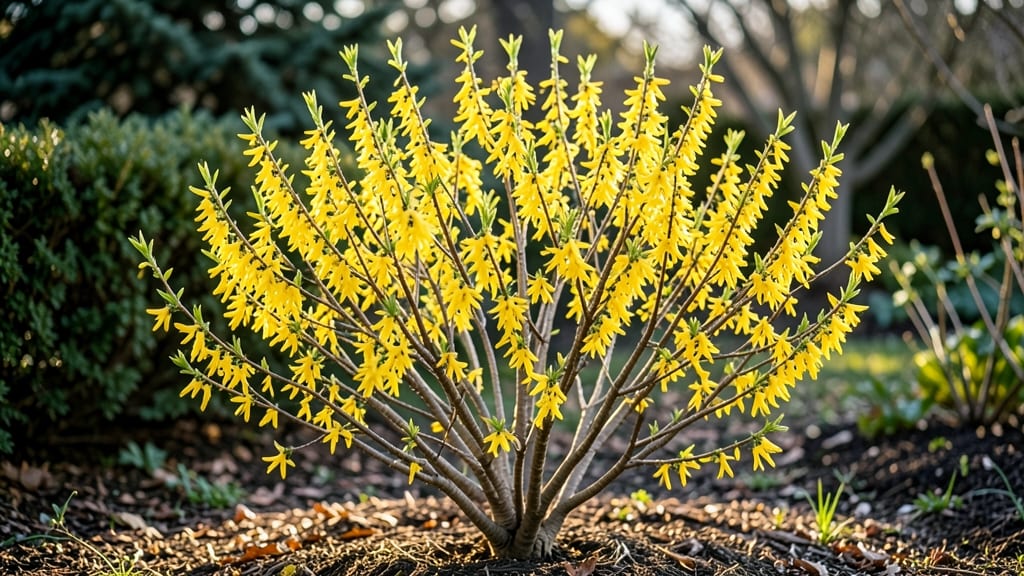
Forsythia's natural form is a sprawling, multi-stemmed shrub—but with the right pruning, you can transform it into a small tree, weeping standard, or even a hedge that steals the show in early spring. 🌸 I’ve turned wild, leggy forsythias into structured focal points by controlling its growth early, and the results are shockingly elegant.
The key lies in selective pruning during dormancy (late winter) to encourage either a single trunk or multiple stems, depending on your vision. For a tree form, choose one dominant stem and remove competing branches, while for a bushier look, prune back one-third of the oldest stems annually.
This isn’t about forcing a shape—it’s about working with the plant’s natural energy. By summer, you’ll see lush, vibrant yellow blooms cascading from your design, whether it’s a 6-foot sentinel or a 3-foot hedge. The secret?
Prune after flowering to avoid cutting off next year’s buds, and feed the soil with compost to reward your efforts with even more dramatic growth. Works for urban yards, cottage gardens, or modern landscapes—just pick your form and let the forsythia’s cheerful spirit do the rest.
📚 In This Guide
- What you need
- Instructions
- Tips and common mistakes
- Wrapping up and next steps
What you need
- ● Pruning shears: Sharp, bypass-style shears (for clean cuts on small stems). Pro tip: 💡 Sanitize blades with rubbing alcohol to prevent disease spread!
- ● Loppers: Bypass-type loppers (10–12” handles) for thicker branches (½–1½” diameter).
- ● Pruning saw: Bow saw or pruning saw for stubborn, woody stems (1½”+ diameter).
- ● Gloves: Heavy-duty gardening gloves (cut-resistant, like mechanics’ gloves or pruning-specific for grip).
- ● Disinfectant: 70% isopropyl alcohol or bleach solution (1 part bleach to 9 parts water) to sterilize tools.
- ● Rake or broom: For clearing debris after pruning.
- ○ Tarp or bucket: To collect clippings (optional but handy for cleanup!).
- ● Hand pruners: Anvil-style (for quick cuts on tiny stems, but not ideal for forsythia—use sparingly!).
- ● Pole pruner: Extendable loppers (if your forsythia is tall or overgrown).
- ● Pruning sealant: Tree wound dressing (controversial—skip unless dealing with large cuts >2” diameter).
- ● Notebook & pen: To jot down pruning notes or mark branches for future reference.
- ● Safety glasses: If pruning near your face or eyes.
Step-by-step instructions for pruning forsythia for optimal form
Here's how I transform leggy forsythias into lush, flowering shrubs that burst with color every spring.
✂️ Step 1: Time Your Pruning for Maximum Blooms
Prune forsythia immediately after its spectacular spring bloom fades—usually late April to early May in most climates. This timing ensures you never cut off next year's flower buds, which form on old wood. I always mark my calendar because waiting too long risks sacrificing next season's display.
If you missed the window, don't panic. Light pruning in early summer is better than none at all, though you'll sacrifice some winter interest. Never prune in fall or winter—forsythia's dormant season—because you'll remove potential bloom stems before they even form.
🌿 Step 2: Remove Dead, Diseased, and Crossing Branches First
Start by eliminating any branches that are dead, broken, or diseased—these are the easiest to spot. Cut them back to the main trunk or to a healthy lateral branch. Next, remove branches that cross or rub against each other, as these create wounds that invite disease. I use sharp bypass pruners to make clean cuts just outside the branch collar.
Look for branches growing straight upward—these are called "waterspouts"—and remove them entirely. These vertical growers never produce flowers and create an unnatural, sparse look. You'll see the shrub's natural shape emerge as you make these cuts, revealing the bushy framework underneath.
🌱 Step 3: Thin Out the Center for Better Airflow
Forsythia's dense growth can become a tangle over time. To improve airflow and sunlight penetration, select branches growing from the center of the shrub and cut them back by one-third to one-half their length. Focus on the oldest stems first—they've had years to grow thick and may be crowding out younger, more productive growth.
Make your cuts at a 45-degree angle just above an outward-facing bud. This encourages new growth to develop outward rather than inward, creating a fuller, more balanced shape. I always step back after each cut to visualize the overall form—it's easy to over-prune when focused on details.
☀️ Step 4: Shape the Outer Form for Even Bloom Distribution
Now it's time to refine the shrub's silhouette. Cut back the longest branches by one-third to encourage bushier growth. Aim to create a natural, rounded shape rather than a formal geometric form. Forsythia responds beautifully to gentle shaping, so avoid drastic cuts that could stress the plant.
Pay special attention to the shrub's lower branches. If they're too sparse, select a few of the strongest stems and cut them back to encourage new growth at the base. This creates a fuller, more compact form that blooms evenly from top to bottom. You'll see the difference in just one growing season.
⏰ Step 5: Clean Up and Monitor Growth
After pruning, rake up all the debris and dispose of it properly—never leave cuttings on the ground, as they can harbor disease. Sterilize your pruners with rubbing alcohol between cuts to prevent spreading pathogens. Water the forsythia thoroughly after pruning to help it recover and establish new growth.
Monitor the shrub over the next few weeks. You should see new shoots emerging from the pruned areas within 3-4 weeks. If growth appears slow, apply a balanced fertilizer in early summer to support the new foliage. By next spring, your carefully pruned forsythia will reward you with even more abundant blooms than before.
Tips & tricks for pruning forsythia for bushy, blooming abundance
Here's what nobody tells you about transforming your forsythia from leggy to lush—these are the secrets that make all the difference.
Timing is Everything: The late April to early May window is critical because forsythia flower buds form on old wood. If you prune too early, you risk cutting off next year's blooms before they even develop. I've learned this the hard way—after pruning too soon, my forsythia produced half the flowers the following spring. Mark your calendar or set a phone reminder to avoid this common mistake. For those who miss the ideal window, light summer pruning is better than nothing, though it may reduce winter interest.
The 45-Degree Angle Secret: When thinning branches in Step 3, making cuts at a 45-degree angle just above an outward-facing bud isn't just technical advice—it's the difference between a bushy shrub and one that grows inward. This angle creates a natural shield that protects the bud from rain and wind while encouraging new growth to develop outward. I always double-check my angle by holding the pruners at a slight diagonal before cutting. This simple technique transforms how your forsythia fills out over time.
Tool Prep Prevents Problems: Sterilizing your pruners between cuts with rubbing alcohol isn't just about cleanliness—it's disease prevention. I keep a small spray bottle of 70% isopropyl alcohol handy and spritz the blades after every 3-4 cuts, especially when dealing with diseased branches. This simple step has saved my forsythia from multiple infections over the years. Don't skip it, even if you're in a hurry—your plant will thank you next spring with vibrant blooms.
Visual Cues Over Guessing: Instead of relying on memory for the one-third to one-half reduction in Step 3, use your hand as a guide. Hold your hand next to the branch—if it's about the width of your palm, you're in the right ballpark for a one-third reduction. For older stems that need more aggressive thinning, aim for about the width of your fist. This visual method ensures consistent cuts without needing measuring tools. The key is to step back frequently to visualize the overall shape—this helps prevent over-pruning, which can stress the plant.
Pro Tips for Forsythia Tree Form
- Here's what nobody tells you about transforming your forsythia from leggy to lush—these are the secrets that make all...
- Timing is Everything: The late April to early May window is critical because forsythia flower buds form on old wood. ...
- The 45-Degree Angle Secret: When thinning branches in Step 3, making cuts at a 45-degree angle just above an outward-...
Frequently asked questions
Got questions about shaping your forsythia tree form?
You’re not alone! Here are answers to the most common queries—from timing to troubleshooting—to help you prune like a pro.
When is the best time to prune forsythia for optimal blooms?
Prune forsythia right after flowering (late April to early May) to encourage bushier growth and next year’s blooms. Avoid pruning in fall or winter—this cuts off next season’s flower buds! If you must prune later, do it lightly to avoid sacrificing blooms.
How much can I trim back my forsythia without harming it?
You can safely remove up to one-third of the plant’s height in a single pruning session. For mature forsythias, focus on thinning out crowded branches and cutting back old wood to the ground to rejuvenate growth. Pro tip: Never prune more than 25% of the plant in one go—gradual trimming prevents shock.
Why isn’t my forsythia blooming as much as it used to?
Overgrown forsythias often bloom less because old wood produces fewer flowers. Solution: Prune aggressively (cutting back ⅓ of the plant) every 2–3 years to stimulate new growth. Also, ensure your forsythia gets full sun (6+ hours/day) and well-draining soil—shady or soggy conditions stress the plant.
Can I shape my forsythia into a tree form, or is it better as a shrub?
Yes! Forsythias can be trained into a small tree form with a single trunk and tiered branches. To do this, select the strongest central stem and remove competing suckers. Prune side branches to create a layered look, but leave some low branches for a natural, balanced silhouette. Warning: Avoid heavy topping—it can stunt growth.
What should I do if my forsythia has dead or diseased branches?
Remove any dead, diseased, or crossing branches immediately using clean, sharp pruners. Sterilize tools with rubbing alcohol between cuts to prevent spreading fungal infections. If you spot powdery mildew (white coating on leaves), prune for airflow and apply neem oil. Never leave deadwood—it invites pests and weakens the plant.
Are there dwarf forsythia varieties ideal for small spaces?
If space is limited, try ‘Little Gold’ or ‘Northern Gold’—both stay under 3–4 feet tall. These compact varieties bloom profusely and require minimal pruning. Just ensure they get full sun and well-draining soil to thrive in tight spots.
Wrapping up and next steps
Transforming your forsythia into a lush, blooming beauty is all about timing, technique, and a little patience! 🌸 With the right pruning tools, seasonal strategies, and a keen eye for structure, you’ll unlock its full potential—vibrant yellow blooms and a bushier form that steals the show every spring.
Remember, consistency is key, so grab those shears and get ready to nurture your tree’s next spectacular season.
Ready to level up your pruning game? Start by marking your calendar for late winter or early spring—your forsythia’s blooming season awaits! 🌿