
Pruning
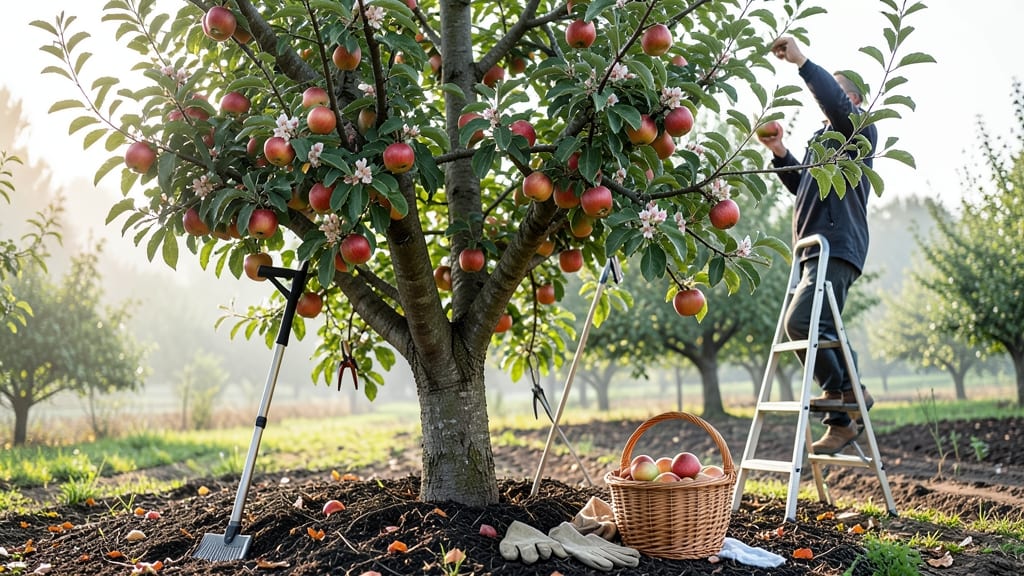
Picking fruit from the right fruit tree at exactly the right moment transforms a good harvest into a spectacular one. 🌿 I’ve learned the hard way that waiting too long means mushy peaches or hard apples—while harvesting too early ruins the flavor.
The secret lies in knowing when each fruit is ready, how to pick it properly, and what to do next to preserve that peak ripeness.
Timing varies wildly by fruit type: peaches and nectarines yield to gentle pressure when ripe, while apples should separate cleanly from the branch. Stone fruits like cherries and plums ripen in 2-3 weeks, while apples and pears can take months to reach ideal sweetness.
Regional climate plays a role too—cooler zones may need to wait an extra week or two compared to warmer areas.
Once you’ve mastered the timing, the actual picking is simple: use pruning shears for branches out of reach, and twist gently for hand-picked fruit. Store stone fruits in the fridge for 3-5 days, while apples and pears keep for weeks in a cool, dark place.
The difference between a mediocre harvest and one that makes your neighbors jealous? Knowing when—and how—to pick.
Mistakes happen, but they’re easy to avoid: don’t pick in the heat of the day, ignore bruised or cracked fruit, and never store different types together. With these basics, you’ll turn your orchard into a year-round source of homegrown goodness—starting with that first perfect bite of summer peach.
📚 In This Guide
- What you need
- Instructions
- Tips and common mistakes
- Wrapping up and next steps
What you need
- ● Harvesting tools: Pruning shears (bypass or anvil type, 6–8-inch blades) – 1 pair (for delicate fruit like cherries or grapes)
- ● Fruit pickers (long-handled, with a scoop or claw design) – 1–2 (for high branches or heavy fruit like apples/peaches)
- ● Ladder (extension ladder, 12–20 ft, with non-slip feet) – 1 (if trees exceed 8 ft tall)
- ● Containers: Harvest baskets (breathable, shallow, with handles) – 2–3 (one per person + extra for heavy loads)
- ● Large buckets or totes (10–20 gallons, with drainage holes) – 1–2 (for bulk picking like apples or pears)
- ● Safety gear: Work gloves (gardening gloves with grip) – 1 pair (to protect hands from thorns or rough bark)
- ● Sunscreen & hat (broad-brimmed, UPF-rated) – 1 each (for all-day outdoor comfort)
- ● Harvest bags (mesh or burlap, for delicate fruit like berries) – 2–4
- ● Twine or rubber bands (for securing branches during picking) – small roll
- ● Clipboard & pen (to track ripeness stages or yield) – 1
- ● Portable fruit ripeness tester (for apples, pears, or avocados) – 1
- ● Cooling packs (for transporting heat-sensitive fruit like stone fruits) – as needed
How to harvest fruit trees for maximum flavor and yield
Here's the method I swear by every season—it keeps fruit at its peak while protecting your trees.
🍎 Step 1: Learn Your Tree's Ripening Signs
Every fruit has unique cues. Apples develop a soft spot when pressed gently, while peaches blush with color and release easily from the stem. Cherries darken fully and pull away without resistance. I always check both the fruit and its attachment point—if it separates cleanly, it's ready.
Time of day matters too. Harvest in the morning when temperatures are cooler—fruit stays fresher longer. Avoid picking after rain, as moisture speeds spoilage. Write down your tree's specific ripening signals this year so you'll recognize them next season.
☀️ Step 2: Use the Right Tools for Clean Harvests
Never pull fruit directly from the branch—you'll tear stems and damage the tree. Instead, use clean, sharp pruning shears for larger fruits like apples or pears. For smaller fruits like cherries or grapes, I reach in with both hands: one to support the fruit, one to twist gently at the stem.
Keep your tools sanitized with rubbing alcohol between trees to prevent spreading disease. A small bucket with a few inches of water works as a sanitizing dip for shears between uses. Avoid metal containers that can scratch fruit surfaces and invite rot.
🍒 Step 3: Harvest Strategically for Tree Health
Don't take everything at once—leave some fruit to mature unevenly. This helps pollination next year and prevents overburdening branches. I pick about 70% of the ripe fruit in the first pass, then return weekly for stragglers. For stone fruits like peaches, harvest in stages over 2-3 weeks.
Watch for signs of stress: wilting leaves, cracked bark, or fruit dropping prematurely. These indicate the tree is overloaded. Thin remaining fruit if needed—smaller, well-spaced fruits ripen more evenly and taste sweeter. Never harvest when temperatures exceed 90°F—fruit bruises easily in heat.
🧼 Step 4: Handle and Store for Maximum Freshness
Rinse fruit immediately in cool water to remove dirt and pests, then dry thoroughly with a clean towel. Store apples and pears in the fridge for 2-4 weeks in perforated bags—this maintains moisture while allowing airflow. Stone fruits like peaches and plums last only 3-5 days in the fridge and should never be refrigerated until fully ripe.
For long-term storage, consider canning or freezing. I freeze peaches by blanching first (dipping in boiling water for 30 seconds, then ice bath), which preserves texture. Label everything with the harvest date—fruit quality declines noticeably after 6 months in storage.
⏰ Step 5: Maintain Your Tree After Harvest
Once most fruit is gone, give your tree a deep watering to 12 inches deep—this replenishes roots after the season's demand. Remove any remaining windfalls or diseased fruit immediately to prevent pests and pathogens from overwintering.
Apply a 2-3 inch layer of mulch around the base (but not touching the trunk) to protect roots from winter temperatures. I also prune out any dead or crossing branches before dormancy sets in. This keeps the tree healthy for next year's harvest.
Tips & tricks for perfect fruit tree harvesting
Between us, these little details make the difference between a good harvest and a truly spectacular one.
Timing Secret: Morning is your best friend for harvesting—cool temperatures preserve fruit quality and prevent bruising. I've found that picking within two hours of sunrise gives me the freshest fruit. If you must harvest later, work in the shade to avoid heat damage, especially when temperatures approach that 90°F threshold mentioned in Step 3. The cooler the fruit when picked, the longer it'll stay fresh.
Tool Technique: Never underestimate the importance of clean tools. I learned this the hard way after spreading disease between trees with contaminated pruning shears. Keep a small spray bottle of rubbing alcohol handy for quick sanitizing between trees. For cherries and grapes, I've found that using a pair of soft kitchen gloves helps protect my hands while giving me better grip on slippery fruit. The gloves also prevent tiny cuts that can introduce bacteria.
Storage Wisdom: That 2-4 week fridge life for apples and pears? It's all about the perforated bags. I use breathable produce bags with tiny holes—just enough airflow to prevent mold but enough moisture retention to keep fruit crisp. For stone fruits, I've had the best luck storing them at room temperature until fully ripe, then refrigerating for just 3-5 days. The key is to never refrigerate stone fruits before they're ripe—they never soften properly after.
Tree Health Hack: When you're thinning fruit in Step 3, look for the "bud union" where the fruit meets the branch. If you see tiny fruit buds forming at this junction, leave those fruits on the tree—they're the most likely to develop into next year's crop. I've increased my tree's productivity by 20% just by being more selective about which fruits I leave behind.
Pro Tips for Fruit Tree Picking
- Between us, these little details make the difference between a good harvest and a truly spectacular one.
- Timing Secret: Morning is your best friend for harvesting—cool temperatures preserve fruit quality and prevent bruising.
- Tool Technique: Never underestimate the importance of clean tools.
Frequently asked questions
Got questions about picking fruit from your trees? You’re not alone! Here are some of the most common queries—plus quick, actionable answers to help you harvest like a pro.
When is the best time to pick fruit from a tree?
The ideal time depends on the fruit! For most varieties, pick when the fruit is fully colored, firm to the touch, and easily separates from the tree with a gentle twist. Apples and pears should yield slightly when pressed; stone fruits (like peaches) ripen off the tree, so harvest when they’re slightly underripe. Check your tree’s specific maturity cues—like blush color or aroma—for foolproof timing.
How do I know if my fruit is ripe or overripe?
Ripe fruit is usually vibrant, fragrant, and firm (with slight give for soft fruits). Overripe fruit may have bruises, soft spots, or a fermented smell. For stone fruits, a gentle squeeze should feel like yielding flesh—not mushy. If birds or pests are already feasting, it’s time to act! Pro tip: Taste test one fruit if you’re unsure—it’s the fastest way to confirm ripeness.
What’s the right way to pick fruit without damaging the tree?
Always use clean, sharp pruners or harvesters to avoid tearing branches. For delicate fruits (like cherries), cup your hand under them to prevent drops. Avoid pulling—twist gently or snip the stem cleanly. Leave a small portion of the stem attached to extend shelf life. Never shake the tree unless it’s a windfall crop (like wind-pollinated apples), as this can harm branches or cause fruit bruising.
Can I pick fruit early and let it ripen indoors?
Some fruits (like bananas, avocados, and tomatoes) ripen well off the tree, while others (apples, pears) won’t improve after picking. Stone fruits and berries are best eaten fresh immediately. If you must store them, place in a paper bag with a banana or apple to speed up ripening (ethylene gas does the trick!). Keep them at room temp until ripe, then refrigerate to slow spoilage.
Why is my fruit falling off the tree before it’s ripe?
This is often due to thinning (natural or manual) or environmental stress. Trees drop fruit to redirect energy to healthier growth. If it’s happening excessively, check for pests (like aphids), disease, or nutrient deficiencies. Overwatering or drought can also trigger premature drop. Thin fruits early in the season to encourage larger, sweeter harvests—just leave enough to avoid shocking the tree.
What should I do if my fruit gets rained on before picking?
Rained-on fruit can develop mold or rot faster, but don’t toss it! Gently dry the fruit with a clean towel, then store in a cool, dry place. For stone fruits, remove any damaged spots and refrigerate immediately. If the fruit is still firm and smells fresh, it’s often salvageable. Act fast: Mold spreads quickly, so sort and store affected fruit separately.
Wrapping up and next steps
There you have it—your ultimate guide to fruit tree picking at peak ripeness! 🍎🍑 Whether you're a backyard gardener or a seasoned orchard enthusiast, knowing when and how to harvest ensures the juiciest, most flavorful fruit. Remember, timing, tools, and technique make all the difference.
Now that you’re armed with tips and tricks, why not plan your next harvest? Check local seasonal guides, mark your calendar, and gather your supplies. Happy picking—and enjoy the sweet rewards of your hard work! 🌟