Container Gardens
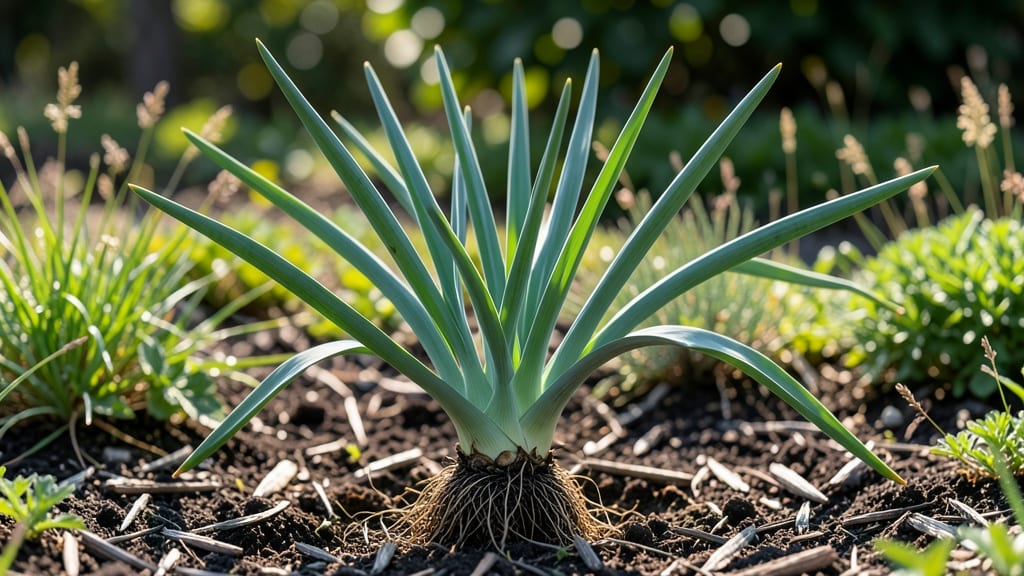
Growing tree onions in pots means fresh green onions year-round without the yard space. 🌱 I learned the hard way that regular green onions bolt when it gets hot, but tree onions keep producing even when temperatures swing. The secret is treating them like perennials—they regrow from the same base, giving you continuous harvests with almost no effort.
You’ll need just three things: a container at least 6 inches deep, well-draining potting mix, and either sets (small bulbs) or seeds. Tree onions thrive in full sun to partial shade, and they’re surprisingly drought-tolerant once established.
The real magic happens when you realize you can grow them indoors near a sunny window or outdoors on a balcony—no garden required.
By late spring, you’ll be snipping fresh green onions straight from your pots whenever you need them. The flavor stays milder than store-bought, and the plants keep producing for 3-5 years with proper care. Even my black thumb can’t kill these—they’re the most forgiving onion variety I’ve ever grown.
Works in any temperate climate, from Zone 3 to Zone 9. Here’s how to get started without the common pitfalls of bolting or poor bulb formation—no green thumb required.
📚 In This Guide
- What you need
- Instructions
- Tips and common mistakes
- Wrapping up and next steps
What you need
- ● Tree Onion Bulbs: 3–5 healthy, firm bulbs (choose organic or untreated for best results).
- ● Container: 1–2 12-inch-wide pots (or larger) with drainage holes.
- ○ Optional: Self-watering containers to reduce maintenance.
- ● Potting Mix: 1 bag (5–10 quarts) of well-draining, fertile soil (mix equal parts potting soil, compost, and perlite or sand).
- ● Fertilizer: Balanced liquid fertilizer (10-10-10) or organic options like fish emulsion or compost tea.
- ● Tools: Trowel or small hand shovel for planting.
- ● Spray bottle (for misting seedlings).
- ● Pruning shears (for harvesting green onions).
- ● Mulch (straw or shredded leaves) to retain moisture.
- ● Grow lights (if indoors or low-light conditions).
- ● Eggshells or crushed oyster shell (for extra calcium).
- ● Container saucer or tray (to catch excess water).
Step-by-Step instructions for growing tree onions
Here's how to grow these versatile, long-lived onions that keep producing year after year.
🌱 Step 1: Start with Healthy Onion Sets or Bulbs
Choose firm, plump tree onion sets (also called top-setting onions) from a reputable supplier. These are smaller than regular onion bulbs and already have a growing point at the top. Soak the sets in lukewarm water for 1 hour to soften the outer skin and encourage faster sprouting.
Plant the sets 1 inch deep in well-draining soil, spacing them 4-6 inches apart in rows 12 inches apart. This spacing gives them room to develop their characteristic clusters of small bulbs. If you're planting in containers, use at least 6-inch pots for each plant.
☀️ Step 2: Provide Full Sun and Consistent Moisture
Tree onions thrive in full sun (6-8 hours daily), so choose a location that gets plenty of bright light. If you're growing in containers, place them where they'll receive the most sunlight, like a south-facing patio or balcony. The soil should stay evenly moist but never soggy—water deeply when the top 1-2 inches feel dry.
Here's the thing—tree onions are drought-tolerant once established, but they need consistent moisture during the first 4-6 weeks to form strong roots. You'll know they're happy when the leaves grow upright and firm, not floppy or yellowing.
🌿 Step 3: Encourage Top-Setting for Year-Round Harvests
When the tops reach 4-6 inches tall, you'll notice small bulbils (tiny onions) forming at the top of the plant. These are your future harvest! To encourage more top-setting, pinch off any flower stalks that appear—this redirects the plant's energy into producing more bulbils instead of seeds.
Once the bulbils form, you can harvest them at any time when they're 1/4 to 1/2 inch in diameter. The more you harvest, the more the plant will produce. If you leave them on the plant, they'll grow larger but fewer in number. I like to harvest a few every few weeks for a steady supply.
✂️ Step 4: Maintain and Harvest Through the Seasons
Tree onions are perennials in mild climates and will keep producing for years with minimal care. In colder regions, they'll die back in winter but regrow from the base in spring. Fertilize lightly in early spring with a balanced, low-nitrogen fertilizer to support new growth.
To harvest, simply twist or cut the bulbils from the top of the plant. The main bulb will continue to grow, producing more bulbils in its place. You can also dig up the entire bulb if you want to replant it or use it whole in cooking.
🪴 Step 5: Overwintering and Long-Term Care
In colder climates, protect your tree onions with a thick layer of mulch (2-3 inches) before the first frost. This insulates the bulbs and helps them survive winter. In spring, remove the mulch and water lightly to encourage regrowth. You'll see new shoots emerge within 2-3 weeks.
Real talk: Tree onions are low-maintenance, but they do need a little attention to thrive. Keep the area around them weed-free, and avoid overwatering, which can cause rot. With proper care, you'll have a steady supply of fresh, homegrown onions for years to come.
Tips & tricks for growing tree onions
Took me a while to figure these out, so here goes—tree onions are forgiving, but these little details make all the difference.
Soaking Secret: That 1-hour lukewarm water soak in Step 1 does more than just soften the skin. It jumpstarts root growth and helps prevent rot later. I like to use a bowl of water with a pinch of sea salt—just enough to make the water slightly salty. This helps prevent fungal issues down the road. The sets should feel slightly heavier after soaking, which means they've absorbed water and are ready to plant.
Container Hack: If you're growing in pots, use a mix of potting soil and compost (half and half) for better drainage and nutrients. I've found that adding a handful of perlite to the mix prevents compaction, which is especially important during those first 4-6 weeks when roots are establishing. For containers, I always use pots with drainage holes—tree onions hate soggy feet!
Top-Setting Timing: When your plants reach 4-6 inches tall in Step 3, you'll notice those tiny bulbils forming. Here's what I learned: harvest them when they're about the size of a pea (1/4 inch). If you wait until they're 1/2 inch, you'll get fewer but larger onions. Pro tip—use a small pair of scissors to snip them off cleanly, leaving about 1/4 inch of stem attached. This prevents damage to the main plant and encourages more growth.
Winter Prep: That 2-3 inch mulch layer in Step 5 is non-negotiable in colder climates. I use straw or shredded leaves because they break down slowly and provide insulation. If you're using straw, make sure it's weed-free first—you don't want to introduce unwanted plants to your garden. In spring, I always remove the mulch about 2 weeks before new shoots appear to prevent rot from excess moisture.
Pro Tips for Growing Tree Onions
- Took me a while to figure these out, so here goes—tree onions are forgiving, but these little details make all the di...
- Soaking Secret: That 1-hour lukewarm water soak in Step 1 does more than just soften the skin. It jumpstarts root gro...
- Container Hack: If you're growing in pots, use a mix of potting soil and compost (half and half) for better drainage ...
Frequently asked questions
Got questions about growing tree onions?
You’re not alone! Whether you’re a beginner or a seasoned gardener, these common queries will help you grow lush, productive tree onions with ease. Let’s dive in!
How long does it take for tree onions to mature and produce harvests?
Tree onions typically take 60–90 days from planting to produce their first edible shoots. Once established, they’ll keep regrowing for 2–3 years, giving you multiple harvests per season. The key is consistent care—watering, pruning, and fertilizing—to keep them thriving!
Can tree onions survive winter in containers?
Tree onions are semi-hardy and can tolerate light frosts, but they won’t survive deep freezes in containers. In cold climates, move pots to a garage, shed, or insulated area (above freezing) during winter. Resume outdoor growing in spring when temps warm up. Mulching helps too!
What’s the best way to revive a tree onion that’s gone dormant?
If your tree onion looks brown and crispy, don’t toss it! Trim back dead growth, soak the bulb in water for 24 hours, then replant in fresh soil. Keep it in bright, indirect light and water lightly until new shoots appear (usually in 2–4 weeks). Patience is key—it might take a few weeks to bounce back!
Are tree onions the same as green onions or scallions?
Tree onions are longer-lived relatives of green onions and scallions but produce more harvests per plant. While green onions bolt (go to seed) quickly, tree onions regrow from the same bulb for years. Think of them as a perennial version of scallions—perfect for container gardens!
Can I grow tree onions indoors year-round?
Tree onions thrive indoors with 6+ hours of sunlight daily (a sunny windowsill or grow light works). Use a well-draining pot (6–8 inches deep) and keep soil moist. Harvest shoots as needed, and they’ll keep producing—just like fresh green onions, but with zero bolting!
Still stumped? Drop your question in the comments—we’re happy to help your tree onions flourish!
Wrapping up and next steps
Growing tree onions is a rewarding way to enjoy fresh, flavorful greens year-round with minimal space and effort! Whether you're a beginner or a seasoned gardener, these hardy plants thrive in containers, balconies, or even small backyard patches.
With just a little patience and care, you’ll soon be harvesting vibrant green tops for salads, soups, or garnishes—all while watching their edible bulbs mature.
Ready to dive in? Start small—plant a few bulbs this week and watch your harvest grow! 🌱 If you loved this guide, why not share your progress with fellow gardeners or explore other space-saving veggies to expand your container garden? Happy growing!