Pests and Diseases
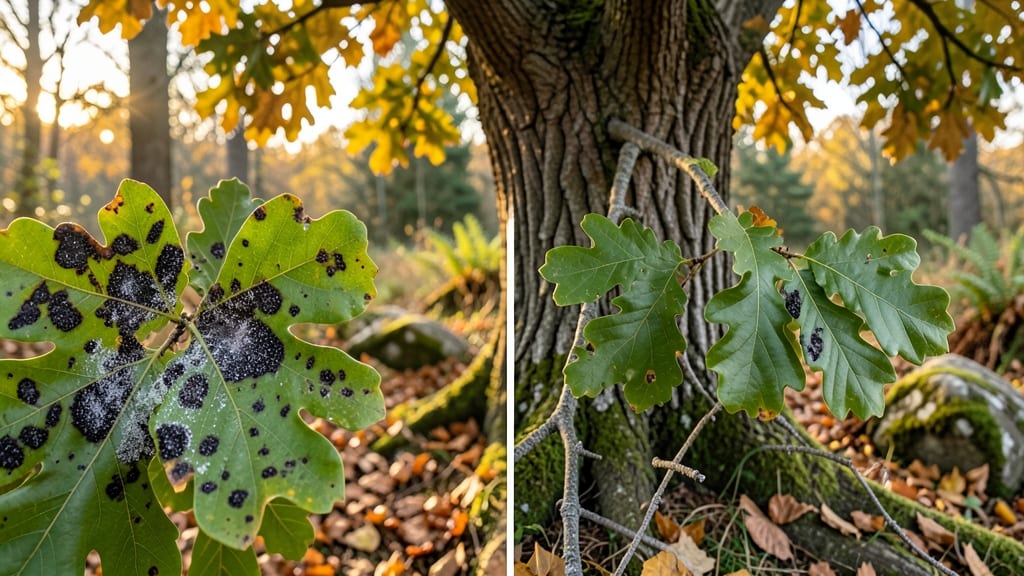
That fuzzy black growth on oak tree leaves isn’t just dirt—they’re likely fungal blight or mildew, and ignoring them could weaken your tree. 🌿 I’ve spent years diagnosing oak leaf issues, and the difference between harmless lichen and destructive pathogens is often just a closer look.
Start by checking leaf texture: mildew feels powdery, while blight causes dark, sunken patches. Lichen grows in flat crusts or leafy clumps, but both can spread if left unchecked. The key is acting fast—once spores take hold, your tree’s health declines faster than you’d expect.
With the right treatment (neem oil, copper fungicide, or pruning affected branches), you can restore those leaves to vibrant green in just a few weeks. The worst-case scenario? Severe blight that requires professional intervention—but most homeowners can handle it themselves.
Prevention is simple: water at the base, not overhead, and keep the area clear of fallen leaves. If you’re still unsure, snap a photo and compare it to the visual guides in the next section.
Root Causes Of Leaf Growth
Understanding why your oak tree leaves develop unusual growths starts with identifying the underlying triggers. These often stem from biological interactions between the tree, pathogens, and environmental factors. Below, we break down the primary reasons behind this phenomenon, explained in clear, actionable terms.
---
Fungi are the most common culprits behind abnormal growths on oak leaves. These microscopic organisms thrive in moist, shaded environments and can cause a range of issues, from harmless discoloration to severe damage.
#### Powdery Mildew: The Fluffy Threat Powdery mildew appears as white, powdery patches on the surface of leaves, often starting on the undersides.
This fungal infection spreads rapidly in warm, humid conditions and weakens the tree’s ability to photosynthesize. - Why it happens: The fungus Erysiphe or Podosphaera spores germinate when humidity exceeds 75% for prolonged periods, often in spring or early summer. - Actionable insight: Prune for airflow, avoid overhead watering, and apply neem oil or sulfur-based fungicides at the first sign of white residue.
#### Anthracnose: The Dark Stain Anthracnose causes dark, sunken lesions with concentric rings, often accompanied by yellowing leaves.
This fungal disease thrives in wet, cool weather and can defoliate oaks if untreated. - Why it happens: Spores from fungi like Apiognomonia or Gloeosporium splash onto leaves during rain, especially in spring showers. - Actionable insight: Remove fallen leaves in autumn, space trees for sunlight, and treat with copper fungicides during wet seasons.
#### Leaf Spot Fungi: The Punctured Pattern Leaf spot fungi create small, circular brown or black spots with yellow halos.
While often cosmetic, severe cases can lead to premature leaf drop. - Why it happens: Fungi like Cercospora or Septoria exploit weak trees, spreading via rain splash or windborne spores. - Actionable insight: Clean up leaf debris, improve drainage, and apply fungicidal sprays (e.g., chlorothalonil) in early spring.
---
Not all growths are fungal—some are the result of insects feeding on or laying eggs in oak leaves. These pests create galls, webs, or frass (insect droppings), which can distort leaf structure.
#### Oak Leaf Gall Wasps: The Tiny Sculptors These wasps lay eggs in leaf tissue, triggering the tree to grow hard, woody galls around the larvae.
While unsightly, they rarely kill the tree. - Why it happens: Female wasps inject eggs into leaf buds or veins in spring, prompting abnormal growth as the tree reacts to the intrusion. - Actionable insight: Prune and destroy galls in late winter to reduce wasp populations.
Use horticultural oil sprays in early spring.
#### Scale Insects: The Sap-Sucking Menace Scale insects attach to leaves and stems, sucking sap and excreting sticky honeydew, which fosters sooty mold (a black fungal growth). - Why it happens: These pests thrive in dry, hot conditions and multiply rapidly when trees are stressed (e.g., drought or poor soil). - Actionable insight: Blast off scales with water pressure, apply insecticidal soap, or introduce ladybugs (natural predators).
#### Spider Mites: The Web Weavers Tiny mites spin fine webs on leaf undersides, causing stippling (tiny white/yellow dots) and leaf curling.
Severe infestations lead to leaf drop. - Why it happens: Mites multiply in dry, dusty conditions, thriving when trees are water-stressed. - Actionable insight: Increase humidity with mistings, use neem oil, or apply miticides like abamectin.
---
Sometimes, growths aren’t caused by pathogens or pests but by environmental factors that weaken the tree’s defenses.
#### Nutrient Deficiencies: The Starvation Signal Oak trees with iron, magnesium, or nitrogen deficiencies may develop yellowing (chlorosis) or stunted growth on leaves. - Why it happens: Poor soil pH (too alkaline) locks out nutrients like iron, while compacted or depleted soil lacks nitrogen. - Actionable insight: Test soil pH and amend with sulfur (to lower pH) or compost/fertilizer (for nitrogen).
Use chelated iron for quick fixes.
#### Water Stress: Too Much or Too Little Overwatering can lead to root rot and fungal growth, while drought stress weakens leaves, making them susceptible to pests/diseases. - Why it happens: Oak trees prefer well-draining soil—soggy conditions invite fungi, while dry spells reduce vigor. - Actionable insight: Water deeply but infrequently (1–2 inches per week) and improve drainage with organic mulch.
#### Physical Damage: The Wound Response Mechanical damage (e.g., hail, lawnmower cuts) can create entry points for pathogens or trigger abnormal growth as the tree heals. - Why it happens: Broken cells release sugars, attracting fungi or insects. - Actionable insight: Prune damaged branches promptly, apply wound dressing (like pruning sealant), and monitor for secondary infections.
--- Before treating, inspect the growth closely: - Fuzzy or powdery? → Likely mildew. - Dark spots with rings? → Anthracnose. - Hard, woody lumps? → Gall wasps. - Sticky residue? → Scale insects + sooty mold.
Use a hand lens (10x magnification) to spot tiny pests or fungal spores. When in doubt, consult a local arborist for a definitive diagnosis!
Quick Fixes for Oak Tree Leaf Issues
When you spot unexpected growth on your oak tree leaves, acting fast can prevent further damage. Below are targeted solutions for common causes—fungal blight, powdery mildew, and other leaf growths—along with prevention tips to keep your tree healthy.
---
Fungal blight thrives in damp, humid conditions and can cause dark spots, lesions, or even leaf drop. Here’s how to tackle it:
#### 🔥 Remove Infected Leaves - Step 1: Wear gloves and prune away severely damaged leaves using clean, sharp shears. - Step 2: Bag and dispose of infected foliage in the trash (not compost) to prevent spore spread. - Step 3: Sterilize your tools with rubbing alcohol to avoid cross-contamination.
#### 🌡️ Apply Fungicide - Step 1: Choose a copper-based fungicide or a neem oil solution (1 tsp neem oil + 1 quart water + a drop of dish soap). - Step 2: Spray the undersides of leaves (where spores often hide) and the tree trunk. - Step 3: Reapply every 7–10 days or after rain until symptoms disappear.
#### 🌬️ Improve Airflow & Drainage - Thin out dense branches to allow sunlight and air circulation. - Mulch around the base (2–3 inches deep) but keep it 6 inches away from the trunk to prevent moisture buildup.
--- Powdery mildew appears as white, powdery patches and weakens leaves. Here’s how to eliminate it:
#### 💦 Wash Leaves with Soapy Water - Step 1: Mix 1 tbsp baking soda + 1 tsp mild dish soap + 1 gallon water. - Step 2: Spray leaves thoroughly in the early morning (avoid direct sunlight to prevent leaf burn). - Step 3: Repeat every 7–10 days until mildew clears.
#### 🌿 Use Horticultural Oil - Step 1: Apply a dormant oil spray (like Sunspray Oil) in late fall or early spring when the tree is dormant. - Step 2: For active infections, use a light horticultural oil (follow label instructions). - Step 3: Avoid spraying in hot weather (above 90°F) to prevent leaf damage.
#### 🌞 Boost Sunlight & Reduce Moisture - Prune nearby trees/shrubs shading your oak to increase sunlight exposure. - Water at the base (not overhead) and early in the day so leaves dry quickly.
--- If tiny insects (like mites or aphids) are causing leaf distortions or growths, act quickly:
#### 🔪 Blast Off Pests with Water - Step 1: Use a strong hose spray to dislodge mites and aphids from leaves. - Step 2: Repeat every 3–5 days for severe infestations.
#### 🍳 Apply Insecticidal Soap - Step 1: Mix 2 tbsp insecticidal soap + 1 quart water. - Step 2: Spray directly on pests (focus on undersides of leaves). - Step 3: Reapply after rain or every 5–7 days.
#### 🐝 Encourage Natural Predators - Plant companion plants like marigolds or lavender to attract ladybugs and lacewings. - Avoid broad-spectrum pesticides that harm beneficial insects.
--- Stop problems before they start with these proactive measures:
| Prevention Tip | How to Do It | |----------------------------------|---------------------------------------------------------------------------------| | ✨ Prune Regularly | Remove dead/diseased branches in late winter or early spring to improve airflow. | | 💡 Space Trees Properly | Plant oaks at least 20–30 feet apart to reduce humidity and shade competition. | | 🌧️ Water Deeply & Early | Water deeply at the base (1–2 inches per week) and before 10 AM. | | 🧼 Clean Up Fallen Debris | Rake and remove leaves and branches around the tree to eliminate fungal spores. | | 🔄 Monitor Year-Round | Check leaves monthly for early signs of pests or disease. |
--- If your oak tree shows: - Large areas of dead wood (possible borer infestation). - Rapid spread of disease despite treatment. - Structural weakness (cracks, leaning).
A certified arborist can assess and treat severe issues safely.
--- By addressing leaf growths early and maintaining proper care, your oak tree can stay strong, healthy, and disease-free for years! 🌳💪
Frequently asked questions
Is lichen on oak leaves harmful to the tree?
Lichen is completely harmless to oak trees—it’s actually a symbiotic relationship between algae and fungi that grows on surfaces. While it may look unsightly, lichen doesn’t damage leaves or absorb nutrients from the tree. In fact, it’s often a sign of clean air since it thrives in pollution-free environments.
How can I tell if the growth is fungal or insect-related?
Check the texture and location: fungal growths (like mildew or blight) appear fuzzy, powdery, or spotty, often on leaf surfaces. Insect-related growths (galls, webs, or honeydew) usually have distinct shapes—hard lumps for gall wasps or sticky residue for scale insects. Use a magnifying glass to spot tiny pests or spores.
Can I use household vinegar to treat fungal growth on oak leaves?
Vinegar is too harsh for oak trees—it can burn leaves and disrupt the tree’s natural defenses. Instead, use a diluted neem oil solution (1 tsp neem oil + 1 quart water) or a baking soda spray (1 tbsp baking soda + 1 tsp soap + 1 gallon water). Always test a small area first.
Why does my oak tree get leaf growths every spring?
Spring’s warm, humid conditions create perfect breeding grounds for fungi and pests. Poor airflow from dense foliage or wet soil also encourages outbreaks. Prune branches to improve airflow, water at the base (not overhead), and apply preventative fungicides in early spring to break the cycle.
When should I call an arborist for oak leaf growth?
Consult a professional if you see large dead patches, rapid spread despite treatment, or signs of borer infestation (sawdust-like frass at the base). Severe cases may require systemic fungicides or tree injections that only certified arborists can administer safely.