
Pruning
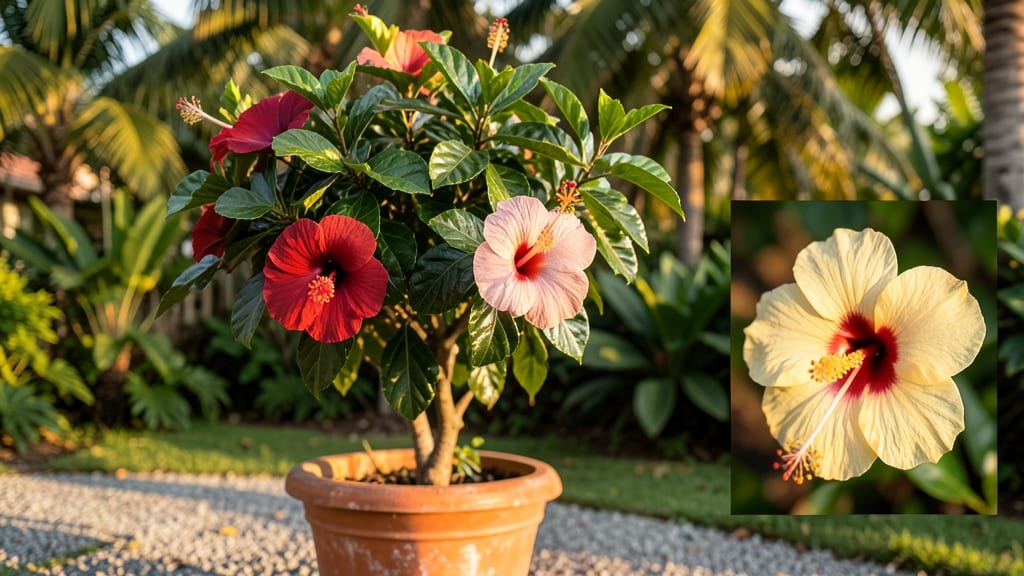
The hibiscus tree temperature range thrives best between 30°F (-1°C) and 100°F (38°C), covering USDA zones 4 through 11. Cold-hardy types endure brief dips to 20°F (-7°C), while tropical varieties require consistent warmth.
The hibiscus tree temperature range determines how well these plants adapt to your climate. Cold-hardy hibiscus can handle light frosts if protected properly, but prolonged exposure below 30°F (-1°C) often causes irreversible damage to leaves and flowers.
Tropical hibiscus, on the other hand, struggle with anything below 50°F (10°C), which is why they’re typically grown in containers that can be moved indoors during cooler months. Understanding these ranges helps you choose the right variety for your climate and prepare for seasonal changes.
For example, if you live in zone 5, you’ll want to focus on cold-hardy varieties like Hibiscus moscheutos and provide winter protection, while gardeners in zone 9 can enjoy tropical hibiscus year-round with minimal care.
The key is matching your hibiscus type to your local temperature patterns to ensure healthy growth and vibrant blooms.
💡 In This Article
- How Temperature Affects Hibiscus Tree Growth and Survival
- Protecting Hibiscus Trees in Freezing Weather: Step-by-Step Guide
How temperature affects hibiscus tree growth and survival
Hibiscus trees react dramatically to temperature shifts because their cellular structure contains water-filled vacuoles that expand or contract with heat or cold. When temperatures drop below 32°F (0°C), these vacuoles rupture, causing irreversible damage to leaf tissues—a process called cryoinjury.
Cold-hardy varieties like Hibiscus syriacus (rose of Sharon) trigger a natural dormancy response at 40°F (4°C), slowing metabolic activity to conserve energy, while tropical hibiscus (e.g., Hibiscus rosa-sinensis) lack this adaptation and suffer leaf blackening within hours of exposure to 45°F (7°C). 🌡️
The ideal flowering temperature for hibiscus sits between 70-85°F (21-29°C), where photosynthesis peaks and energy is efficiently directed toward bloom production. Exceeding 90°F (32°C) for prolonged periods causes heat stress, leading to wilting, leaf curl, and premature flower drop—a condition called thermal necrosis.
In contrast, cold snaps below 25°F (-4°C) trigger abscission (leaf drop) in tropical varieties, while cold-hardy types may lose only their above-ground foliage but regrow from protected roots. The Hibiscus moscheutos (swamp hibiscus) can even survive 15°F (-9°C) with thick mulch, demonstrating its superior cold resilience.
Seasonal temperature shifts also influence hibiscus growth patterns. Spring warmth (55-65°F/13-18°C) signals new shoot emergence, while summer heat (80-90°F/27-32°C) accelerates growth but demands consistent moisture to prevent leaf scorch.
The critical threshold for most hibiscus is 50°F (10°C)—below this, metabolic processes slow dramatically, halting flowering and new leaf production.
This is why tropical hibiscus in containers must be moved indoors before nighttime temperatures dip below 55°F (13°C), as even brief cold exposure can stunt growth for weeks. 🌱
Comparing tropical and cold-hardy hibiscus reveals stark differences in their physiological responses. Tropical varieties prioritize rapid growth and continuous blooming in warm climates, while cold-hardy types allocate energy to root development and dormancy structures.
For example, Hibiscus syriacus stores carbohydrates in its roots during winter, fueling spring regrowth, whereas Hibiscus rosa-sinensis lacks this adaptation and requires year-round warmth to survive. This biological divergence explains why tropical hibiscus often die in zone 5 gardens without winter protection, while cold-hardy types thrive with minimal care. 🌿
Understanding these temperature thresholds helps gardeners anticipate hibiscus behavior. A sudden drop to 28°F (-2°C) might cause leaf blackening in tropical hibiscus within 2-3 hours, while cold-hardy types may show no visible damage until 20°F (-7°C).
The key is monitoring your local minimum nighttime temperatures—if they frequently dip below 30°F (-1°C), cold-hardy varieties are your best bet. For tropical hibiscus, investing in a thermometer and frost cloths can extend their growing season by 4-6 weeks in marginal climates. 🌡️
Heat stress manifests differently than cold damage. Prolonged exposure above 95°F (35°C) causes hibiscus leaves to develop necrotic spots along the edges, a sign of protein denaturation in leaf cells. This condition, called heat scorch, often appears first on older leaves and spreads rapidly in dry conditions.
In contrast, cold damage typically presents as water-soaked lesions that turn black and crispy—a clear indicator of cell rupture. Recognizing these symptoms early allows for targeted interventions, such as shade cloth for heat stress or mulch for cold protection. 🌡️
For optimal hibiscus care, aim to maintain daytime temperatures between 75-85°F (24-29°C) and nighttime temperatures above 60°F (16°C). This range supports consistent flowering while minimizing stress.
In regions with extreme temperature swings, consider microclimate adjustments, such as planting hibiscus near south-facing walls or using drip irrigation to moderate soil temperatures. These strategies can create a 5-10°F (3-6°C) buffer zone, making your hibiscus more resilient to seasonal fluctuations. 🌿