
Pruning
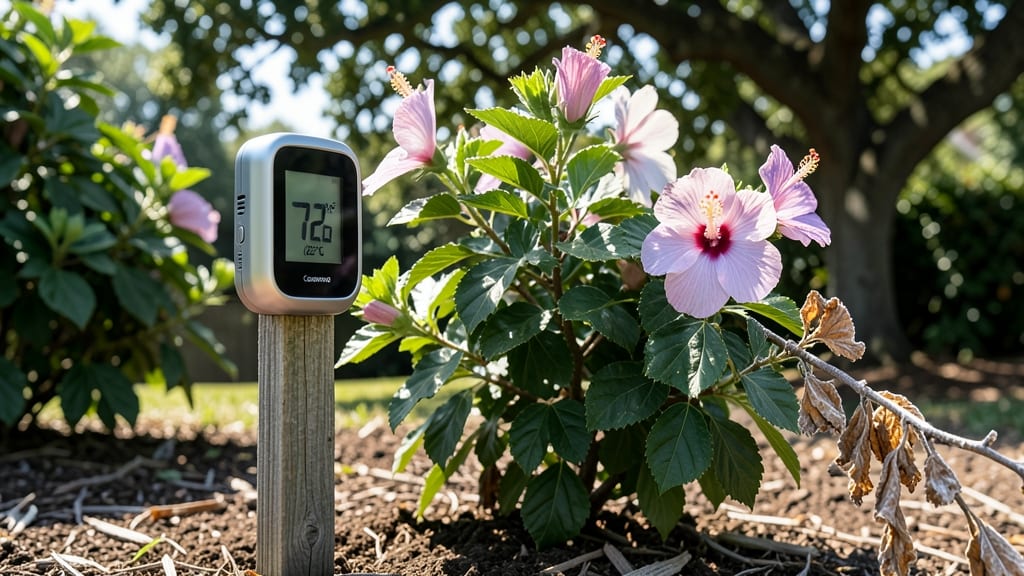
A hibiscus tree’s temperature tolerance is the key to keeping your 🌺 thriving year-round, whether you’re in a frost-free zone or battling chilly winters.
If you love hibiscus trees but worry about frost or chilly winters, you’re not alone—many gardeners struggle with their temperature sensitivity. The good news? With the right knowledge, you can protect your hibiscus and even grow it in cooler climates.
Most tropical hibiscus varieties (like the classic Hibiscus rosa-sinensis) thrive in USDA Zones 9-11, where temperatures rarely dip below 30°F (-1°C). But hardier species, such as Hibiscus syriacus, can survive down to 10°F (-12°C) with proper care.
In this guide, you’ll discover how to read your hibiscus’s temperature signals, the best ways to shield it from cold snaps, and even how to revive it if damage occurs. Let’s keep your 🌺 blooming beautifully, no matter the forecast!
Hibiscus tree temperature tolerance by cold-hardy zones explained
Understanding your hibiscus tree's temperature tolerance is key to keeping it thriving. Most gardeners assume hibiscus can't survive cold climates, but the truth is more nuanced. There are two main types: tropical hibiscus (Hibiscus rosa-sinensis), which loves warmth, and hardy hibiscus (Hibiscus syriacus), which handles cooler temps.
Knowing their differences helps you choose the right variety for your USDA hardiness zone.
Tropical hibiscus, like the classic Hibiscus rosa-sinensis, thrives in zones 10-11 and wilts below 30°F (-1°C). Hardy hibiscus, such as Hibiscus syriacus, can survive down to Zone 5 (-20°F/-29°C) with proper care.
The difference lies in their cold tolerance thresholds for leaves, stems, and roots, which we'll break down next.
⚠️ Visual Reference Needed: The comparison below shows how these varieties stack up across key temperature metrics. Use it to pick the right hibiscus for your climate or learn how to protect tropical varieties in cooler zones.
For gardeners in USDA Zones 7-9, hybrid varieties like 'Luna Red' offer a middle ground. These cold-tolerant hibiscus can handle brief dips to 25°F (-4°C) but still need protection during prolonged cold snaps.
If you're in Zone 6 or colder, consider Hibiscus syriacus—it's the only hibiscus that reliably survives winter outdoors in these areas.
Temperature tolerance isn't just about survival—it's also about growth performance. Tropical hibiscus may grow slower in Zone 8 compared to their native Zone 10 conditions. Hardy hibiscus, meanwhile, may produce fewer blooms in Zone 5 if winter stress is severe.
The key is matching your hibiscus to your microclimate and providing seasonal adjustments.
Leaves are the first to show cold damage signs. When temperatures drop below a hibiscus's tolerance, leaves turn black or brown and may drop entirely. Stems can suffer dieback if exposed to 20°F (-7°C) or lower, while roots may rot if soil stays too cold and wet.
In Zone 7, for example, tropical hibiscus roots can survive 35°F (2°C) soil temps but will struggle below that.
If you're pushing hibiscus into marginal zones (like Zone 6-7), focus on protecting the root zone first. Use deep mulching (4-6 inches of organic mulch) to insulate roots. For tropical varieties, consider container growing—you can move potted hibiscus indoors before winter or use frost blankets for overnight protection.
Even a 10°F (5°C) difference can mean the difference between survival and damage.
Heat tolerance is another critical factor. While hibiscus loves warmth, consistent temperatures above 90°F (32°C) can stress plants, especially in Zone 10-11. Ensure your
How to protect hibiscus trees from cold weather damage
Hibiscus trees thrive in warm climates but struggle when temperatures dip below 50°F (10°C). Even brief frost can damage leaves, while prolonged cold can kill stems and roots.
The key to protecting your hibiscus in cooler zones like Zone 6-7 lies in proactive strategies that mimic their natural tropical environment. With the right techniques, you can extend their growing season and preserve their stunning blooms year after year.
Start by understanding your hibiscus's temperature tolerance thresholds. Most tropical varieties like Hibiscus rosa-sinensis can handle brief dips to 30°F (-1°C) but suffer damage below 28°F (-2°C). Hardy varieties like Hibiscus syriacus (rose of Sharon) tolerate down to 10°F (-12°C), making them better choices for colder regions.
Knowing these limits helps you plan your protective measures effectively.
Step-by-Step Guide to Protecting Hibiscus in Cold Weather
- 1 Mulch Heavily Before Winter: Apply a 4-6 inch layer of mulch around the base of your hibiscus using straw, pine needles, or shredded leaves. This insulates roots from freezing temperatures and retains soil warmth. Replenish mulch annually to maintain protection.
- 2 Prune for Winter Hardiness: Trim back dead or damaged branches in late fall, but avoid heavy pruning until early spring. Focus on shaping the tree to reduce wind exposure. For tropical hibiscus, prune back to 12-18 inches from the ground to encourage new growth in spring.
- 3 Use Frost Cloth or Burlap: Cover your hibiscus with frost cloth or burlap when temperatures drop below 35°F (2°C). Secure the cover with stakes or bricks to prevent wind damage. Remove covers during the day to allow sunlight and ventilation, then reapply at dusk.
- 4 Create a Microclimate: Plant your hibiscus near south-facing walls, fences, or heat-retaining structures to absorb and radiate warmth. Avoid low-lying areas where cold air settles. Grouping hibiscus with other plants can also create a protective barrier against wind and frost.
- 5 Overwinter Indoors (For Potted Hibiscus): Dig up potted hibiscus before the first frost and move them to a cool, bright indoor space like a garage or sunroom. Water sparingly to prevent root rot and place near a south-facing window for sunlight. Resume outdoor placement in spring after all frost risk has passed.
For gardeners in Zone 6-7, combining these methods often yields the best results. For example, I’ve successfully grown tropical hibiscus in Zone 6b by using a 3-inch layer of mulch, wrapping the trunk with burlap insulation, and placing the tree near a brick wall.
In early spring, I remove the insulation and prune back any frost-damaged branches to encourage vigorous new growth.
Monitor your hibiscus regularly for signs of cold stress, such as blackened leaves or wilting buds. If you notice damage, act quickly by removing affected foliage and applying a balanced fertilizer to promote recovery.
With patience and consistency, your hibiscus can thrive even in cooler climates, rewarding you with stunning blooms year after year.
Don’t let cold weather discourage you—hibiscus trees are worth the extra effort! With these protective strategies, you’ll enjoy their vibrant flowers well beyond their typical growing zones. 🌺