
Trees
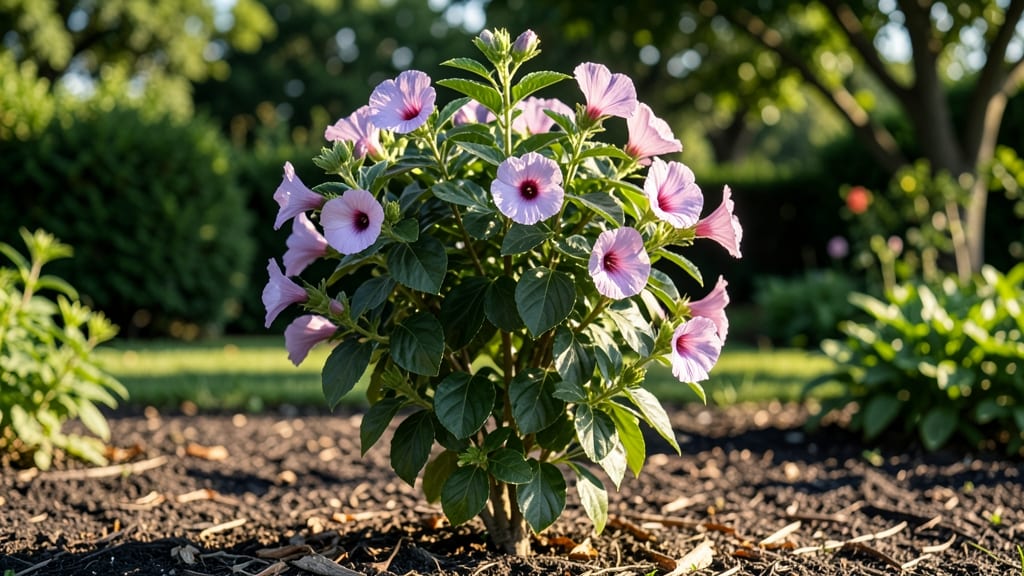
Your Rose of Sharon tree’s leaves are the first clue to its health—and pruning them right unlocks that towering, blooming potential you’re dreaming of. 🌿 I’ve seen these trees go from scraggly to showstopping in just one season with the right cuts, and the secret starts with understanding what those leaves are really telling you.
Yellowing? That’s often a cry for iron. Brown spots? Fungal trouble. Wilting? Maybe it’s thirsty—or stressed from last summer’s heatwave. The good news? Pruning isn’t just about shaping—it’s about giving your tree a fresh start.
Cut back those leggy branches in late winter, and you’ll trigger denser foliage and bigger blooms by summer.
📚 In This Guide
- What you need
- Instructions
- Tips and common mistakes
- Wrapping up and next steps
What you need
- ● Pruning shears: Sharp, bypass-style shears (for small branches, 6–8 inches in diameter). Disinfect with rubbing alcohol before and after use to prevent disease spread.
- ● Loppers: Heavy-duty, bypass or anvil-type (for branches 1–2 inches thick). Look for ergonomic handles for comfort.
- ● Pruning saw: Curved-tooth saw (for thick branches 2+ inches in diameter). A folding pruning saw is ideal for portability.
- ● Gloves: Garden-grade gloves (cut-resistant, like Mechanix or Tiger Claw) to protect from thorns and rough bark.
- ● Disinfectant: 70% isopropyl alcohol or a copper-based fungicide (to sterilize tools and cuts).
- ● Rag or paper towels: For cleaning tools and wiping sap.
- ● Ladder or step stool: Sturdy, non-slip (extendable ladder recommended for tall trees). Ensure it meets OSHA safety standards if working at heights.
- ● Marking twine or spray paint: Non-toxic, water-based (to tag branches for removal or shaping).
- ● Heavy-duty trash bags: For collecting pruned branches (10–20 gallon size, depending on tree size).
- ● Hand pruners: Compact shears for fine-tuning small branches (great for detail work).
- ● Tree wound dressing: Pruning sealant (controversial—skip if your tree is healthy; only use for large cuts >2 inches).
- ● Safety glasses: To shield eyes from debris (especially when using a saw).
- ● Knee pads: For comfort if you’ll be working on the ground for extended periods.
- ● Extension pole pruners: For high branches (if you lack a ladder).
Step-by-Step guide to pruning Rose of Sharon trees for lush growth
Here's how to coax your Rose of Sharon into a flowering powerhouse—no guesswork, just proven techniques.
✂️ Step 1: Time Your Pruning for Maximum Impact
Prune your Rose of Sharon in late winter or early spring, just as buds begin to swell but before new growth starts. This is the sweet spot—you'll encourage strong, healthy stems while removing dead or weak wood. If you live in a mild climate, wait until February or March to avoid encouraging early growth that could get damaged by late frosts.
I always check the buds first—if they're still tight and haven't started to plump up, I wait a few more weeks. The goal is to prune when the tree is dormant but about to wake up. This timing ensures your cuts stimulate fresh, vigorous growth without stressing the plant.
🌿 Step 2: Remove Dead, Diseased, or Weak Wood First
Start by inspecting your tree and cut out any dead, diseased, or crossing branches using clean, sharp pruners. Dead wood is easy to spot—it's brown, brittle, and doesn't bend. Diseased branches might have black spots, mold, or oozing sap. Remove these first, as they can spread problems to healthy wood.
Next, look for branches that are rubbing against each other or growing inward. These compete for sunlight and nutrients, so cut one of the two—always choose the weaker branch. I like to make these cuts just outside the branch collar (the swollen area where the branch meets the trunk) to prevent damage and encourage faster healing.
✂️ Step 3: Shape the Tree for Airflow and Light
Step back and visualize your tree's structure. Aim for an open, vase-like shape that allows sunlight and air to circulate freely. Start by cutting back the tallest branches to encourage a more balanced form. Remove any branches that grow straight upward—these rarely bloom well and can make the tree top-heavy.
For each branch you prune, cut at a 45-degree angle, about ¼ inch above an outward-facing bud. This angle helps water run off the cut and reduces the risk of rot. If you're unsure which way the bud faces, look for the tiny bump on the branch—this is where new growth will emerge. Avoid leaving stubs, as they can invite disease.
☀️ Step 4: Thin Out for Better Blooms and Health
Rose of Sharon blooms on new wood, so the more you prune back old growth, the more flowers you'll encourage. Focus on thinning out one-third of the oldest, thickest branches each year. These branches are often woody and produce fewer blooms. Cut them back to just above a strong, healthy bud or side branch.
Don’t overdo it—thinning too aggressively can stress the tree. I like to leave a few branches unpruned to maintain the tree’s structure. After pruning, step back and admire your work. The tree should look open, with light able to reach the center. This isn’t just about aesthetics—good airflow prevents fungal diseases and keeps your tree thriving.
🪴 Step 5: Clean Up and Monitor for Recovery
After pruning, rake up and dispose of all clippings—especially if they show signs of disease. Sterilize your pruners with rubbing alcohol or a bleach solution to prevent spreading pathogens. Once you're done, give the tree a deep watering to help it recover from the stress of pruning.
Watch for new growth in 4-6 weeks. Healthy buds will swell and turn green, while weak or damaged branches may produce stunted growth or no leaves at all. If you see any signs of stress—like yellowing leaves or wilting—reduce watering slightly and keep an eye on the tree. With proper care, your Rose of Sharon will reward you with vibrant blooms all summer long.
Tips & tricks for perfect Rose of Sharon pruning
Took me a while to figure these out, so here are the game-changers for pruning your Rose of Sharon like a pro.
Timing is Everything: In Step 1, if you're unsure about the exact timing, use the "bud test" as your guide. Press a bud gently—if it feels firm and doesn't dent easily, it's too early. If it gives slightly when pressed, that's your window. I've missed the perfect moment twice and ended up with less vigorous growth, so don't rush this step. The late winter/early spring timing is critical because it aligns with the tree's natural dormancy cycle, ensuring minimal stress.
Tool Prep Matters: Before you start Step 2, sterilize your pruners with rubbing alcohol or a bleach solution—this prevents spreading disease between cuts. I learned this the hard way after seeing black spots reappear on branches I thought I'd cured. Also, sharpen your blades so they make clean cuts; dull tools crush the wood, which invites infection. A quick wipe-down with a clean cloth between cuts keeps your tools ready for the next branch.
Shape with Purpose: When shaping in Step 3, think of your tree like a sculpture—every cut should serve a purpose. I recommend sketching a rough outline of your ideal shape before you start. This helps you visualize where to make cuts for that open, vase-like structure. Focus on creating a central "void" where air can circulate freely; this prevents fungal issues and encourages more blooms. The 45-degree angle isn't just about looks—it's about directing water away from the cut to prevent rot.
Recovery Check: After completing Step 5, monitor your tree's recovery closely. If you notice yellowing leaves within the 4-6 week window, it's often a sign of over-pruning or stress. In that case, reduce watering slightly and consider applying a balanced fertilizer to help the tree bounce back. I've seen trees that looked like they'd given up come back stronger than ever after this adjustment—patience is key here.
Pro Tips for Rose Of Sharon Tree Leaves
- Took me a while to figure these out, so here are the game-changers for pruning your Rose of Sharon like a pro.
- Timing is Everything: In Step 1, if you're unsure about the exact timing, use the "bud test" as your guide. Press a b...
- Tool Prep Matters: Before you start Step 2, sterilize your pruners with rubbing alcohol or a bleach solution—this pre...
Frequently asked questions
Got questions about keeping your Rose of Sharon tree thriving with its stunning leaves and blooms? Here are answers to the most common queries—because even the best pruners need a little guidance!
When is the best time to prune Rose of Sharon leaves and branches?
The ideal time to prune is late winter or early spring (before new growth starts) or right after blooming in summer. Avoid heavy pruning in fall—it can stimulate tender growth vulnerable to frost. Pro tip: Light trimming to shape leaves/branches can happen anytime, but major cuts wait for dormancy!
Why are my Rose of Sharon leaves turning yellow or brown?
Yellowing leaves often signal overwatering or poor drainage, while brown edges may mean underwatering or sunburn. Check soil moisture (top 1–2 inches should dry between waterings) and ensure the tree gets 6+ hours of sunlight daily. Troubleshoot: Mulch around the base to retain moisture and avoid wetting leaves during watering.
How much can I cut back Rose of Sharon branches without harming the tree?
You can safely remove up to ⅓ of the tree’s foliage annually, but avoid cutting more than 25% in one season to prevent stress. For shaping, focus on dead, crossing, or overcrowded branches. Remember: This tree blooms on new wood, so aggressive pruning won’t reduce flowers—it just encourages bushier growth!
Can I use Rose of Sharon leaves for anything besides decoration?
While the leaves aren’t typically used in culinary or medicinal applications, they’re non-toxic to humans/pets and make great compost material. Some gardeners use fallen leaves as mulch for acid-loving plants. Fun fact: The tree’s fragrant blooms attract pollinators—so leave some leaves/branches for wildlife!
What’s a good alternative if my Rose of Sharon leaves look unhealthy?
If your tree struggles with pests (like spider mites) or diseases (e.g., powdery mildew), consider resistant varieties like ‘Avalanche’ or ‘Alba’. For a similar look, try Crapemyrtle (lighter pruning needs) or Butterfly Bush (drought-tolerant). Prevention tip: Prune for airflow and avoid overhead watering to deter issues!
Wrapping up and next steps
Mastering the art of pruning Rose of Sharon tree leaves unlocks a world of lush, vibrant growth and stunning blooms—transforming your yard into a breathtaking haven. 🌸 Whether you’re trimming for shape, health, or seasonal renewal, the right techniques ensure your tree thrives year after year.
With patience and practice, you’ll soon enjoy a towering, flourishing centerpiece that steals the show!
Ready to take your pruning skills to the next level? Start small:
- Grab a fresh pair of pruners and revisit the basics.
- Experiment with a single branch this season to build confidence.
- Join a local gardening group for hands-on tips and inspiration!