
Trees
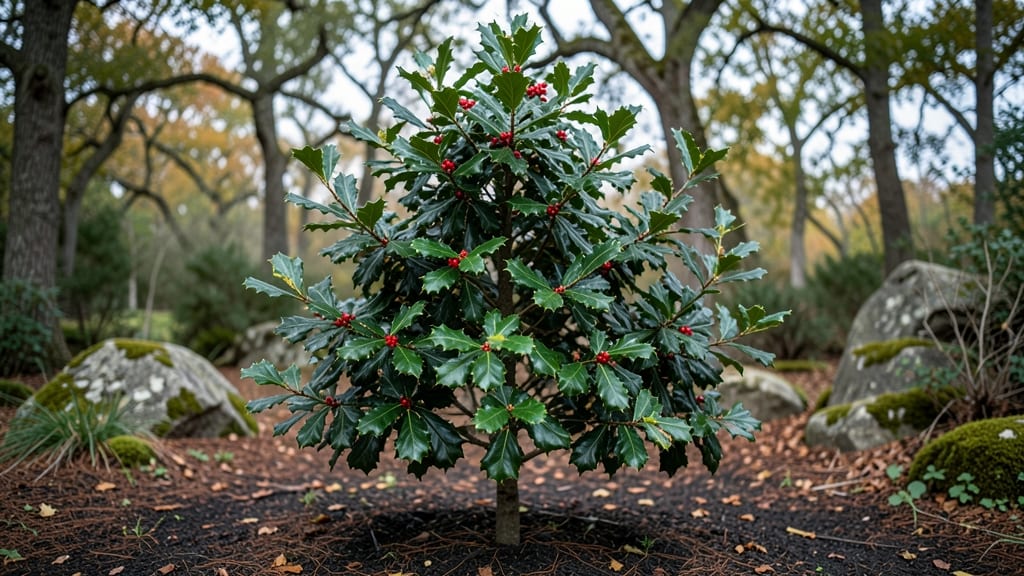
Holly tree leaves turning yellow isn't just an eyesore—it's your plant's SOS signal. 🌿 I've diagnosed this in my own backyard holly and learned the quick fixes that save the tree before the damage spreads.
The first step is identifying whether it's a watering issue, nutrient deficiency, or something more serious like fungal infection or pests.
Most yellowing starts with overwatering or poor drainage, which suffocates roots and turns leaves a sickly pale. My holly's leaves went from glossy green to yellow patches overnight after a week of heavy rain.
Check the soil—if it's soggy an inch below the surface, you're watering too much. Nutrient deficiencies, especially iron or nitrogen, also cause yellowing, often starting between the leaf veins.
Once you've pinpointed the cause, the solution is straightforward: adjust watering, apply a balanced fertilizer, or treat fungal issues with neem oil or copper fungicide. Prune affected branches to improve airflow and prevent spread. Within weeks, you'll see new growth returning to that rich, deep green your holly deserves.
Prevention is easier than fixing—mulch properly, water at the base (not overhead), and inspect leaves regularly for early signs. My holly now thrives year-round, thanks to these simple checks. Here's how to troubleshoot yours in minutes.
Root Causes Behind Yellowing Holly Leaves
When your holly tree’s leaves start turning yellow, it’s often a cry for help from the plant itself. Understanding the why behind this color change is the first step toward saving your tree.
Below, we break down the most common culprits—each with a clear scientific explanation and actionable insights to help you diagnose the issue quickly.
Holly trees thrive when their soil is rich in essential nutrients, particularly nitrogen, iron, and magnesium. When these nutrients are lacking, leaves may turn yellow—especially between the veins (a condition called chlorosis).
Why it happens:
- Nitrogen deficiency: Nitrogen is crucial for chlorophyll production. Without enough, older leaves (at the bottom of the tree) yellow first, signaling the tree is struggling to support new growth. 🌿
- Iron or magnesium deficiency: These micronutrients are vital for chlorophyll synthesis. Yellowing between veins (while veins stay green) is a classic sign. Iron deficiency is more common in alkaline soils, while magnesium issues often appear in over-fertilized or compacted soil.
- Soil pH imbalance: Holly trees prefer acidic soil (pH 5.0–6.5). If the soil is too alkaline (pH >7.0), iron and manganese become unavailable to the tree, even if they’re present in the soil.
What to do:
- Test your soil with a home pH kit or send a sample to a local extension office. Aim for acidic soil.
- Apply an iron chelate fertilizer (like Ironite) for quick relief if chlorosis is severe.
- Use organic matter (compost, peat moss) to improve soil structure and nutrient availability.
- For magnesium deficiency, apply Epsom salt (magnesium sulfate) in early spring.
Holly trees hate soggy feet. While they enjoy consistent moisture, poor drainage or overwatering can suffocate roots, leading to yellow leaves, wilting, or even leaf drop. This is especially true in clay-heavy or compacted soils.
Why it happens:
- Root rot: Excess water cuts off oxygen to roots, causing Phytophthora or Pythium fungi to thrive. Roots rot, and the tree can’t absorb nutrients or water efficiently.
- Nutrient leaching: Overwatering washes away essential nutrients (like nitrogen and potassium) from the root zone, starving the tree.
- Fungal infections: Waterlogged soil creates the perfect breeding ground for pathogens like Armillaria (root rot), which attacks stressed holly trees.
What to do:
- Check drainage by digging a small hole near the tree. If water pools after 30 minutes, amend the soil with sand or perlite.
- Water deeply but less frequently—holly trees prefer 1–1.5 inches of water per week, including rainfall.
- Improve soil aeration by mulching (2–3 inches of organic mulch) and avoiding heavy foot traffic around the base.
- If root rot is suspected, prune affected roots (sterilize tools with rubbing alcohol) and treat with fungicide (e.g., Copper fungicide).
Holly trees are adaptable but can suffer from sudden environmental changes, like intense sunlight, heatwaves, or cold snaps. Yellowing leaves may appear as a protective response to oxidative stress.
Why it happens:
- Sun scorch: Newly planted holly trees or those moved from shade to full sun can develop brown or yellow patches on leaves due to UV damage.
- Heat stress: Prolonged temperatures above 90°F (32°C) can cause leaves to yellow and crisp, especially if the tree isn’t acclimated.
- Winter burn: In cold climates, rapid temperature swings (e.g., thawing followed by freezing) can damage leaves, turning them yellow or brown.
- Windburn: Strong winds desiccate leaves, leading to yellowing and leaf drop.
What to do:
- Provide afternoon shade (especially in hot climates) using light shade cloth or a lattice screen.
- Water deeply in the early morning or late evening to reduce evaporation and heat stress.
- For winter protection, wrap the tree in burlap or apply an anti-desiccant spray (like Wilt-Pruf) before cold snaps.
- Mulch the base with 3–4 inches of wood chips to insulate roots and regulate soil temperature.
Not all yellowing is due to environmental factors—pests and diseases can silently drain your holly tree’s vitality. Look for chewed leaves, webbing, or unusual spots alongside yellowing.
Why it happens:
- Spider mites: These tiny pests suck sap from leaves, causing yellow stippling and webbing. They thrive in dry, hot conditions.
- Scale insects: These sap-sucking bugs appear as brown bumps on stems and leaves, leading to yellowing and stunted growth.
- Holly leaf miner: Larvae burrow into leaves, creating blotchy yellow or brown trails.
- Fungal diseases (e.g., anthracnose, powdery mildew): These cause yellow spots with dark borders or white powdery coatings.
What to do:
- Inspect leaves undersides and stems for pests. Use a magnifying glass if needed.
- Blast off pests with a strong spray of water or use insecticidal soap (like Safer Soap) for spider mites and scale.
- Apply neem oil (a natural pesticide) as a preventive spray in spring and fall.
- For fungal issues, prune infected branches (sterilize tools!) and treat with copper fungicide.
- Encourage beneficial insects (like ladybugs) by planting companion plants (e.g., marigolds, alyssum).
Pro Tip:
Fix Yellow Holly Leaves Fast
If your holly tree’s leaves are turning yellow, don’t panic—most issues have simple fixes. The key is identifying the root cause first, then taking targeted action. Below, we break down solutions by problem, with step-by-step instructions and prevention tips to keep your holly thriving. 🌿✨
If yellowing leaves start with soggy soil or yellowing between leaf veins, your holly is likely drowning. Holly trees hate "wet feet" and need well-draining soil.
🔥 Step 1: Check the Soil
- Stick your finger 2–3 inches deep into the soil. If it feels damp or mushy, overwatering is the culprit.
- Pro Tip: 💡 Use a moisture meter for accuracy—holly soil should feel like a slightly damp sponge, not a swamp.
👨🍳 Step 2: Improve Drainage
- Amend the soil with:
- 50% native soil + 30% compost + 20% perlite or coarse sand (for sandy soils).
- Avoid clay-heavy mixes—they compact and trap water.
- Raise the root zone by mounding soil around the base (but not against the trunk) to encourage runoff.
🥘 Step 3: Adjust Watering Habits
- Water deeply but infrequently: Aim for 1–1.5 inches per week (including rain). Let the top 1–2 inches of soil dry out between waterings.
- Water in the morning to reduce fungal risks from prolonged moisture.
- Install a French drain if water pools near the base—dig a shallow trench with gravel and landscape fabric to redirect flow.
⏰ Prevention Tips
- Mulch properly: Use 2–3 inches of organic mulch (like pine bark) but keep it 6 inches away from the trunk to prevent rot.
- Choose the right spot: Hollies thrive in well-draining, slightly acidic soil (pH 4.5–5.5). Test your soil with a kit if unsure.
Yellow leaves with green veins or pale undersides? Your holly may be starving for key nutrients, especially nitrogen, iron, or magnesium.
🔥 Step 1: Identify the Deficiency
| Symptom | Likely Cause | Quick Fix |
|---|---|---|
| Yellow edges | Nitrogen deficiency | Apply balanced fertilizer (10-10-10) or compost tea |
| Yellow between veins | Iron chlorosis (common in alkaline soil) | Sprinkle chelated iron granules or add sulfur to lower pH |
| Yellow older leaves | Magnesium deficiency | Use Epsom salt (1 tbsp per gallon of water) as a foliar spray |
👨🍳 Step 2: Fertilize Correctly
- Best fertilizers for hollies:
- Slow-release granular fertilizer (like Osmocote) in early spring.
- Organic options: Fish emulsion, worm castings, or a holly-specific fertilizer (high in iron).
- Avoid over-fertilizing: Too much salt can burn roots—follow label rates!
🥘 Step 3: Boost Soil Health
- Top-dress with compost (2–3 inches) in spring and fall to replenish nutrients naturally.
- Mulch annually to retain moisture and slowly release nutrients.
⏰ Prevention Tips
- Test soil every 2–3 years—hollies prefer acidic soil (pH 4.5–5.5). Adjust with elemental sulfur if pH is too high.
- Avoid synthetic fertilizers in winter—they can encourage tender new growth that freezes.
Yellowing leaves with holes, sticky residue, or fungal spots? Pests like spider mites, scale, or diseases like bacterial leaf spot may be to blame.
🔥 Step 1: Inspect for Signs
- Pests:
- Spider mites: Tiny webs on leaf undersides + stippled yellowing.
- Scale insects: Bumpy brown/white spots on stems and leaves.
- Aphids: Sticky honeydew residue on leaves.
- Diseases:
- Fungal leaf spot: Yellow rings with dark edges.
- Root rot: Mushy stems, wilting, and yellowing from the bottom up.
👨🍳 Step 2: Treat Infestations
| Problem | Solution |
|---|---|
| Spider mites | Spray with neem oil (1 tsp per quart of water) or insecticidal soap. Repeat every 5–7 days. |
| Scale insects | Scrape off manually with a soft brush or use horticultural oil in dormant season. |
| Aphids | Blast off with a strong water spray or apply soapy water spray. |
| Fungal disease | Prune infected leaves, then spray with copper fungicide or baking soda mix (1 tbsp baking soda + 1 tsp oil + 1 gallon water). |
| Root rot | Stop watering immediately, prune blackened roots, and repot in fresh, dry soil with perlite. |
🥘 Step 3: Prevent Future Issues
- Encourage natural predators: Ladybugs and lacewings eat aphids—plant marigolds or dill nearby.
- Prune for airflow: Remove crowded branches to reduce humidity (which fuels fungi).
- Clean up debris: Rake fallen leaves to prevent fungal spores from overwintering.
⏰ Prevention Tips
- Water at the base (not overhead) to avoid fungal spores splashing onto leaves.
- Avoid wounding the tree—use clean, sharp pruners to prevent disease entry points.
Sudden yellowing after heatwaves, cold snaps, or transplant shock? Your holly needs a little TLC to recover.
🔥 Step 1: Shield from Stressors
- Heat stress: Provide afternoon shade with a light shade cloth (30–50%) if temps exceed 90°F (32°C).
- Cold damage: Protect young hollies with burlap wraps in winter or mulch heavily (4–6 inches).
- Transplant shock: If recently moved, water deeply every 2–3 days for the first month and avoid fertilizing for 6 weeks.
👨🍳 Step 2: Recovery Care
- Mulch deeply (4–6 inches) to regulate soil temperature.
- Mist leaves daily during extreme heat to reduce stress.
- Avoid pruning until new growth appears—stressed trees heal faster with intact foliage.
⏰ Prevention Tips
- Choose the right variety for your climate (e.g., ‘Nellie R. Stevens’ for heat tolerance, ‘Blue Prince’ for cold hardiness).
- Gradually acclimate potted hollies to outdoor conditions before planting.
With the right fix, your holly’s yellow leaves should green up in 2–4 weeks. Monitor progress and adjust care as needed—your tree will thank you with glossy, vibrant foliage all season long! 🌟
Frequently asked questions
Why do holly leaves turn yellow in patches rather than all at once?
Patchy yellowing usually indicates a localized issue like nutrient deficiency (often iron or magnesium) or pest infestations (such as spider mites). Check the undersides of leaves for webbing or tiny bugs, and examine soil pH—hollies prefer acidic soil (pH 5.0-6.5). Patchy yellowing between veins suggests chlorosis, while yellowing with brown spots may signal fungal disease.
Can I save my holly tree if half the leaves are already yellow?
Yes! Act fast by identifying the cause and treating it immediately. For nutrient deficiencies, apply iron chelate or Epsom salt. If overwatered, improve drainage and reduce watering. Prune severely affected branches to redirect energy to healthy growth. With proper care, new leaves should emerge green within 4-6 weeks.
Is yellowing holly leaf normal in fall?
No—healthy holly trees typically retain their green leaves until winter. Fall yellowing suggests stress from poor drainage, nutrient depletion, or environmental shock. Test soil moisture and pH, then adjust care. If yellowing persists, check for pests or fungal diseases before winter sets in.
Will pruning yellow leaves help my holly recover?
Yes, but only after diagnosing the root cause. Prune only yellowed leaves (never more than 25% of the canopy at once) to reduce stress. Focus on removing severely affected branches first. Sterilize pruners between cuts to prevent spreading disease. Never prune in extreme heat or cold.
How often should I fertilize a holly tree with yellow leaves?
Start with a soil test—hollies need 2-3 applications per year of balanced fertilizer (like 10-10-10) in early spring, mid-summer, and fall. For deficiencies, use targeted amendments: iron chelate for chlorosis, Epsom salt for magnesium, or compost tea for general health. Over-fertilizing worsens yellowing!