
Pests and Diseases
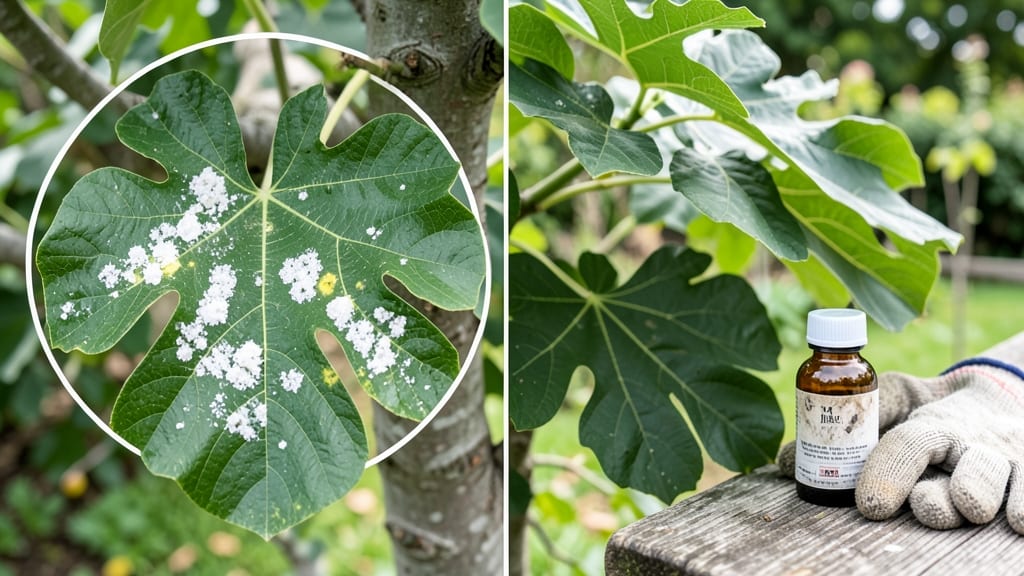
White spots on fig tree leaves mean your tree is sending a clear distress signal—usually fungal blight like powdery mildew or rust. 🌿 I’ve battled this exact issue with my Mission fig, and the key is acting fast before the spots turn into a full-blown crisis.
The first step is confirming whether it’s fungal (fuzzy white coating) or something else (like spider mite damage), because the fixes differ completely.
Most cases start with powdery mildew, which thrives in humid, shady conditions. Check the undersides of leaves—if you see white powder or yellowing, that’s your confirmation. The good news? Organic fixes work better than chemicals for figs, and they’re safer for your fruit.
Neem oil, baking soda spray, and proper air circulation can turn things around in just a few weeks if you catch it early.
What you’ll end up with is a tree that recovers its glossy green leaves and keeps producing those sweet, honey-flavored figs you love. The spots disappear, new growth stays healthy, and you avoid the heartbreak of a blighted harvest.
The secret is consistency—spray every 7-10 days until the spots vanish, then focus on prevention.
Works for both container figs and in-ground trees, and the same principles apply to other fruit trees too. Here’s how to diagnose and treat it the right way—no guesswork, just results.
Root Causes of Leaf Spots
When your fig tree’s leaves start showing up with puzzling white spots, it’s often a sign of stress or an unseen battle waging beneath the surface. These spots rarely appear out of nowhere—they’re usually the result of environmental factors, microbial invaders, or even the tree’s own defense mechanisms.
Understanding the why behind these spots is the first step to restoring your tree’s health. Below, we break down the most common culprits, backed by science and actionable insights.
Fungal pathogens are the #1 cause of white spots on fig tree leaves, particularly in warm, humid climates. These microscopic organisms thrive in damp conditions, often entering the tree through wounds, stomata (leaf pores), or even healthy tissue if environmental factors are favorable.
Two of the most notorious fungal offenders are:
- Powdery Mildew (Erysiphe spp.): This fungus creates a white, powdery coating on leaves, blocking sunlight and stunting photosynthesis. It spreads via windborne spores and loves high humidity (70%+) with poor airflow.
- Leaf Spot Fungi (Cercospora, Phyllosticta, or Septoria spp.): These cause small, circular white or grayish spots with dark borders, often surrounded by yellow halos. They thrive in wet foliage and can lead to leaf drop if untreated.
🔬 How to confirm: Use a magnifying glass to check for fuzzy growth (powdery mildew) or dark speckling (leaf spots). Scrape a spot—if it leaves a powdery residue, it’s likely mildew.
Figs are drought-tolerant, but excessive moisture creates the perfect breeding ground for fungi and bacterial infections. When roots sit in soggy soil, they struggle to absorb nutrients, weakening the tree’s immunity. White spots can also appear as a stress response (e.g., edema, where cells burst from overhydration).
Key triggers:
- 🌧️ Frequent rainfall or overhead watering that keeps leaves wet for >12 hours.
- 🏡 Containers without drainage holes (roots suffocate, leading to fungal buildup).
- 🌱 Compacted or clay-heavy soil that doesn’t dry between waterings.
💡 Pro Tip: Water at the base of the tree in the morning to allow foliage to dry by evening. If your fig is potted, ensure the container has drainage holes and a cache pot underneath to catch excess water.
Figs are adaptable, but extreme temperature swings or intense sunlight can trigger white spots as a defensive reaction. Here’s how:
| Stressor | Effect on Leaves | Solution |
|---|---|---|
| 🔥 Sun scald (sudden heat + dry wind) | Pale, dry white patches (often on young leaves or edges). | Provide afternoon shade with 50% shade cloth during peak summer. |
| ❄️ Frost or cold shock (<32°F/0°C) | White, water-soaked spots that may turn brown and crispy. | Mulch heavily in winter and avoid planting in frost pockets. |
| 🌀 Windburn (dry, gusty conditions) | White or silver flecks on leaf surfaces (similar to honeydew residue but dry). | Use windbreaks or prune to reduce leaf exposure. |
✨ Key Insight: Stress-related spots are usually dry and powdery, not slimy or spreading. If they’re paired with yellowing or curling, environmental factors are likely the culprit.
While pests themselves don’t cause white spots directly, their waste products or feeding habits can create the perfect conditions for fungal growth. Two common offenders:
- Sap-Sucking Insects (Aphids, Scale, Whiteflies):
- Excrete sticky honeydew, which attracts sooty mold (a black fungal growth).
- Weakens leaves, making them vulnerable to secondary infections.
- Spider Mites:
- Cause stippling (tiny white dots) as they pierce cells to feed.
- Severe infestations lead to bronzing or silvering of leaves.
🔎 How to check: Hold a leaf over a white tray and tap it—if you see tiny insects or webbing, pests are likely the issue. Use a hand lens to spot mites (they’re reddish or yellow and move rapidly).
💡 Remember: White spots are rarely a single issue. Combine observations (e.g., powdery residue + high humidity) with the tree’s overall health to pinpoint the exact cause. Once you’ve identified the root problem, you’re ready to tackle it—organic fixes are just a section away!
Quick Fixes for Fig Tree Fungus
White spots on your fig tree leaves can feel like a frustrating mystery, but don’t worry—most causes have simple, effective solutions. Below, we’ve mapped the most common culprits to their fixes, so you can act fast and keep your tree thriving. Prevention tips are included to stop future outbreaks!
Fungal spores thrive in damp, shady conditions, turning leaves into a buffet. Here’s how to tackle them:
🔥 Step 1: Prune for Better Airflow
Fungus loves crowded, humid spaces. Remove infected leaves (bag and toss them!) and thin out dense foliage to let sunlight and air circulate. Aim for 10–15% of the tree’s canopy—this reduces hiding spots for spores.
🍳 Step 2: Apply Organic Fungicides
Skip the harsh chemicals! Try these DIY or store-bought options: - Baking Soda Spray: Mix 1 tsp baking soda + 1 tbsp vegetable oil + 1 tsp mild soap per quart of water.
Spray every 7–10 days until symptoms fade. (Works best for powdery mildew.) - Neem Oil: A natural antifungal and insect repellent. Dilute 2 tbsp neem oil + 1 tsp soap per gallon of water.
Spray early morning or late evening to avoid burning leaves. - Copper-Based Fungicides: Like Copper Soap or Fixed Copper, which disrupt fungal cell walls. Follow label instructions for safety.
🌡️ Step 3: Adjust Watering Habits
Fungus loves moisture—water at the base, not the leaves, and avoid overhead sprinkling. If your tree is in a shady spot, consider relocating it to partial sun (figs tolerate heat but need airflow).
✨ Prevention Tip:
Mulch properly! Use straw or wood chips (not thick layers) to keep soil moist but prevent fungal buildup. Keep mulch 3–4 inches away from the trunk.
Tiny invaders can leave white, powdery residue or webbing. Here’s how to evict them:
👨🍳 Step 1: Blast Off Pests with Water
Spider mites hate humidity. Spray the undersides of leaves with a strong hose stream to knock them off. Repeat every 3–4 days for a week.
🔪 Step 2: Introduce Beneficial Insects
Ladybugs, lacewings, and predatory mites eat pests naturally. Buy them online or attract them with neem oil sprays (which also deter pests).
🎯 Step 3: Use Insecticidal Soap or Horticultural Oil
Mix 1 tbsp castile soap + 1 quart of water and spray directly on pests (avoid hot sun). For stubborn infestations, horticultural oil (like JMS Stylet Oil) suffocates eggs and adults.
💡 Prevention Tip:
Yellow sticky traps catch whiteflies and aphils before they multiply. Place them near the tree and check weekly.
White spots from direct sun exposure or over-fertilization look like damage but aren’t contagious. Fix it with:
🌿 Step 1: Provide Shade Cloth (If Needed)
If your fig tree is in full, harsh sun, drape 30–50% shade cloth during peak afternoon hours (12–4 PM). Figs tolerate heat but young leaves are sensitive.
📊 Step 2: Test and Adjust Soil
White spots from calcium deficiency (common in sandy soils) or salt buildup (from tap water) need a soil test. Amend with:
- Crushed eggshells (for calcium)
- Compost or worm castings (for nutrients)
- Rainwater or distilled water (to flush salts)
🥗 Step 3: Fertilize Lightly
Figs don’t need much fertilizer. Use a balanced organic fertilizer (5-5-5) once in early spring and avoid nitrogen-heavy feeds (like lawn fertilizer), which burn leaves.
🌡️ Prevention Tip:
Mulch with compost to improve soil structure and water deeply but infrequently (figs hate soggy roots).
If white spots spread rapidly (despite treatment), blacken leaves, or oozes sap, your tree may have a serious fungal disease (like anthracnose or root rot). Contact a local arborist or cooperative extension service for a diagnosis.
Remember: Consistency is key! Most fixes take 2–4 weeks to show results. Monitor your tree weekly, and soon those white spots will be a thing of the past. 🌿✨
Frequently asked questions
Are white spots on fig leaves always caused by fungus?
Not always! While fungal diseases like powdery mildew are the most common culprits, white spots can also result from pest damage (like spider mites), environmental stress (sun scald or windburn), or even nutrient deficiencies. Always check for fuzzy textures (fungus), tiny moving dots (mites), or dry patches (stress) to narrow down the cause.
How often should I apply neem oil to treat white spots?
For active fungal infections, spray a neem oil solution (2 tbsp oil + 1 tsp soap per gallon of water) every 7-10 days until the spots disappear. Once the tree recovers, switch to monthly preventative sprays during humid seasons. Always apply in the early morning or evening to avoid leaf burn.
Can I still harvest figs if my tree has white spots?
Yes, but only if the spots are mild and non-fungal. Avoid eating figs from branches with severe fungal infections (like powdery mildew) or chemical treatments—these can contaminate the fruit. For organic treatments (neem oil, baking soda), wait 2-3 weeks after the last spray before harvesting.
Why do my fig tree's white spots keep coming back?
Persistent spots usually mean underlying conditions aren't fixed. Check for poor airflow (prune dense branches), overwatering (water at the base only), or pest reinfestation (use sticky traps). Fungal spores can survive in soil—consider copper fungicide for stubborn cases or replacing contaminated mulch.
Is it safe to use baking soda spray on all fig tree varieties?
Yes, baking soda spray (1 tsp baking soda + 1 tbsp oil + 1 tsp soap per quart of water) is safe for all fig varieties, including common types like Mission, Brown Turkey, and Chicago Hardy. It's especially effective for powdery mildew but won't harm the tree even if the spots aren't fungal. Reapply every 7-10 days for best results.