
Trees
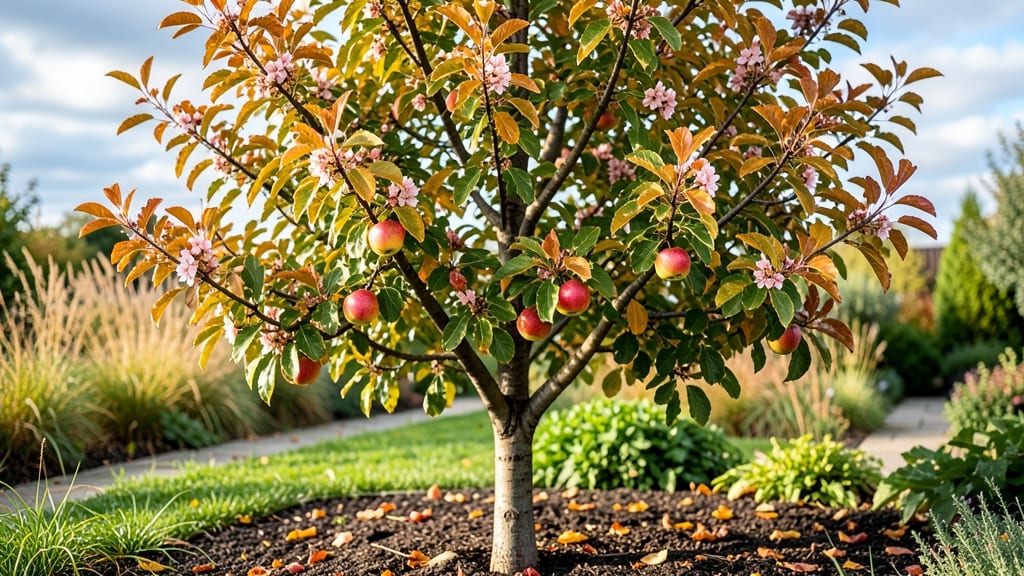
The Honeycrisp apple tree growth rate depends on your climate, care, and a little patience—expect 3 to 5 feet in the first year, then 2 to 3 feet annually until it reaches maturity around 8 to 12 years.
If you've ever planted a sapling and wondered when you'll finally bite into that first Honeycrisp 🍎, the answer isn't just about time—it's about creating the right conditions.
Too little sunlight or poor soil can stretch those years out, while the right balance of water, nutrients, and pruning can shave off months (or even years) from the timeline.
Most gardeners see their first apples between years 4 and 6, but peak production—when your tree is loaded with those signature sweet, crisp fruits—typically kicks in around year 8 to 10.
That’s when your backyard starts feeling like an orchard, and every harvest feels like a reward for the wait.
Below, I’ll break down exactly what to expect each year, the key factors that speed up or slow down growth, and the simple adjustments that make all the difference between a struggling sapling and a thriving tree.


Honeycrisp apple tree growth rate by age: from sapling to first fruit
If you've planted a Honeycrisp apple tree, you're likely counting the days until that first juicy harvest. Understanding the growth rate year by year helps set realistic expectations and ensures you provide the right care.
From a tiny sapling to a fruit-bearing giant, your tree's development follows predictable stages—but timing can vary based on your climate and care routine.
The journey begins with a bare-root sapling or container-grown tree, both of which start small but pack big potential. In the first year, expect rapid vertical growth as roots establish deep into the soil.
By year 3, your tree will be tall enough to cast shade over a picnic blanket, but it won’t yet produce fruit. Patience is key during these formative years.
Here’s a breakdown of what to expect each year, including height milestones, canopy spread, and key developmental stages that lead to that first Honeycrisp harvest:
The first year is all about root development. Your sapling may only reach 3 to 5 feet tall, but its roots will spread aggressively to anchor it for years to come.
This is why planting in well-draining soil with plenty of organic matter is critical—roots need room to grow without competing with weeds or sitting in soggy conditions.
By year 2, your tree will shoot up another 4 to 6 feet, and you’ll notice the trunk thickening. This is when you’ll start seeing flower buds forming along the branches, a sign the tree is preparing for its first potential harvest.
Prune lightly to encourage a strong structure, and avoid over-fertilizing, which can lead to excessive leaf growth at the expense of fruit.
Year 3 is a turning point. Your Honeycrisp apple tree will now stand 12 to 18 feet tall with a spread of 6 to 8 feet, and the branches will fill out significantly. This is when fruit buds (not flowers yet!) begin to appear.
These buds look like tiny green nubs along the branches. While you won’t harvest fruit this year, this is your first glimpse of what’s to come.
The magic happens between years 4 and 5, when your tree is finally ready to bear fruit. Expect a modest harvest of 5 to 10 pounds of Honeycrisp apples, but don’t be discouraged if the yield is small—the tree is still maturing.
This is also when you’ll need to start thinning fruit to ensure each apple has enough energy to develop properly. Leave about 6 inches between apples on each branch.
Once your tree hits years 6 to 8, you’ll enter the peak production phase. Yields can jump to 20 to 50 pounds per year, and the apples will be at their sweetest and crispest. This is the payoff for all those years of care!
During this stage, focus on pruning for airflow to prevent diseases like apple scab, and keep an eye out for pests like codling moths, which love Honeycrisp apples.
After year 9, your tree will reach its full mature height of 20 to 25 feet and spread of 12 to 15 feet. While individual trees may produce slightly less than in their prime, a well-cared-for Honeycrisp can continue yielding 50 to 100+ pounds annually for decades.
The key to long-term success? <
Factors that speed up or slow down Honeycrisp apple tree growth
Your Honeycrisp apple tree's growth rate isn't just about time—it's about creating the perfect conditions. Climate zone, soil quality, and even your watering habits can turn a slow-growing sapling into a thriving fruit producer in just a few years.
In USDA zones 5-8, where Honeycrisp thrives, these factors become even more critical.
For example, trees in zone 6 often reach maturity faster than those in cooler zone 5 because of longer growing seasons. Meanwhile, poor soil drainage or overcrowded roots can stall growth entirely.
The right balance of sunlight, nutrients, and pruning can shave off 1-2 years from the timeline to your first harvest.
Factors That Speed Up Growth
6-8+ hours daily boosts photosynthesis and fruit production.
pH 6.0-7.0 with organic matter speeds root development.
Open canopy improves airflow and sunlight penetration.
Factors That Slow Down Growth
Waterlogged roots stunt growth and invite disease.
Drought stress or overwatering weakens root systems.
Partial shade reduces fruit quality and tree vigor.
Let’s start with sunlight, the most critical factor. Honeycrisp trees need 6-8+ hours of direct sun daily to fuel rapid growth. If your yard only gets 4-5 hours, consider planting near a south-facing wall or using reflective surfaces like white fences to bounce light onto the tree.
Even a few extra hours can mean 1-2 feet of extra height per year.
Next, focus on soil quality. Honeycrisp trees thrive in well-draining, slightly acidic soil (pH 6.0-7.0). If your soil is heavy clay, amend it with compost or sand before planting.
A simple soil test costs just $20 and can reveal if your soil lacks nitrogen, phosphorus, or potassium—key nutrients for fast growth. I always add aged compost at planting time to give my trees a nutrient boost.
Don’t overlook watering schedules. Young trees need deep watering 2-3 times per week during the first year, while established trees prefer 1-2 inches of water weekly. Watering in the early morning reduces evaporation and fungal risks.
I use a soaker hose to deliver water slowly to the roots, which encourages deeper root growth and faster maturity.
Finally, pruning techniques play a huge role. Prune in late winter or early spring to remove dead or crossing branches. This improves air circulation and sunlight exposure, which can increase growth rates by up to 30%.
Avoid heavy pruning in summer, as it stresses the tree and slows down new growth.