
Trees
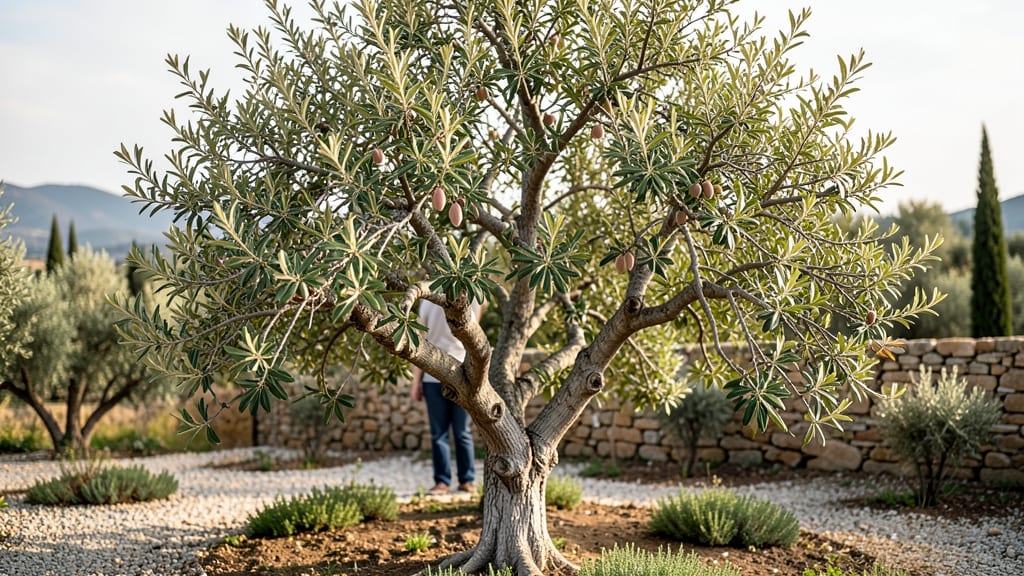
An almond tree grows to 25–40 feet tall at maturity, with some varieties stretching even taller—think twice before planting one in your backyard unless you plan for a small orchard.
Wondering if your backyard can accommodate an almond tree? The size of an almond tree isn’t one-size-fits-all—it depends on the variety, pruning habits, and growing conditions. Before planting, knowing these space requirements can save you from costly mistakes and ensure your tree thrives for decades.
Standard varieties like 'Nonpareil' reach 30–40 feet, while dwarf varieties stay compact at 8–12 feet. Even the smaller types need 15–20 feet of space for roots to spread, so proper spacing is key for both home gardens and commercial orchards.
In this guide, I’ll break down how to choose the right variety for your space, pruning tips to control growth, and spacing rules to avoid crowding—so you can grow a healthy almond tree without sacrificing your yard.
Almond tree size by variety: dwarf vs semi-dwarf vs standard heights
Choosing an almond tree isn’t just about the nuts—it’s about the space. A standard almond tree can tower up to 40 feet tall, while dwarf varieties stay under 12 feet.
The difference comes down to rootstock selection and grafting techniques. For home gardeners, this distinction means the difference between a backyard staple and a backyard dream that’s impossible to fit.
Most commercial almond orchards use standard varieties like Nonpareil or Carmel, which reach their full height without intervention. But for smaller spaces, dwarf rootstocks like GxN-12 or Nemaguard are game-changers. These rootstocks keep the tree’s canopy width and height manageable, making them perfect for containers or urban gardens.
Here’s the key: rootstock influences size, but the scion variety (the top part of the tree) determines the nuts you’ll harvest. For example, you can graft a Nonpareil scion onto a dwarf rootstock and still get the same nuts—but the tree will stay small.
This is how nurseries create miniature almond trees for home growers.
Let’s break down the mature heights and spread of popular varieties across the three size categories. Understanding these dimensions will help you plan your orchard—or decide if your backyard is ready for an almond tree at all.
🌰 Pro Tip: Always check the rootstock when buying. A nursery might label a tree as "dwarf," but if it’s grafted onto a semi-dwarf rootstock, it could still outgrow your expectations.
| Variety | Rootstock | Mature Height (ft) | Mature Spread (ft) | Best For |
|---|---|---|---|---|
| Nonpareil | Standard (Seedling) | 30-40 | 20-30 | Commercial orchards |
| Carmel | Standard (Seedling) | 25-35 | 18-25 | Large rural properties |
| Butte | Standard (Seedling) | 20-30 | 15-20 | Home orchards with space |
| Price | Standard (Seedling) | 30-40 | 20-28 | Commercial growers |
| Nonpareil | Semi-Dwarf (GxN-12) | 12-20 | 10-15 | Backyard orchards |
| Carmel | Semi-Dwarf (Nemaguard) | 10-18 | 8-12 | Urban gardens |
| Butte | Dwarf (GxN-12) | 8-12 | 6-10 | Containers, patios |
| Price |
How to manage almond tree size: pruning and training tips for small gardensEven dwarf varieties of almond trees can outgrow small backyards if left unchecked. The key to keeping them manageable lies in strategic pruning and training techniques that encourage a compact shape without sacrificing fruit production. With the right approach, you can fit an almond tree into spaces as tight as 6x6 feet while still enjoying a bountiful harvest. Let’s explore how to tame your tree’s growth naturally. Start by understanding that almond trees grow 3-5 feet per year when young, but this rate slows as they mature. To control size, focus on three core strategies: structural pruning, seasonal maintenance, and espalier training. Each method targets different growth phases—whether it’s shaping the tree’s skeleton in early years or refining its form annually. The goal is to redirect energy toward fruit production rather than vertical growth. When to prune is just as critical as how you prune. For almond trees, the best time is late winter or early spring, just before buds swell but before new growth begins. This timing ensures you’re cutting back dormant wood, which heals faster and reduces disease risk. Avoid pruning in fall, as fresh cuts may not heal before winter’s chill sets in, leaving your tree vulnerable to pests and rot. Step-by-Step Pruning & Training Guide
For espalier training, which is ideal for urban gardens, you’ll need a sturdy trellis or fence to support the tree’s horizontal branches. This method forces the tree to grow flat against a wall or structure, reducing its footprint by up to 70%. Start training young trees by tying branches to the trellis at 45-degree angles and pruning any vertical growth. Over time, this creates a fruit-laden "wall" that’s perfect for patios or small backyards. Don’t forget that seasonal maintenance keeps your tree in check year-round. After the initial pruning in late winter, perform light trimming in summer to remove any suckers or water sprouts that emerge. These fast-growing shoots steal energy from fruit production and can quickly overwhelm your tree’s shape. A quick once-over with pruners every 6-8 weeks during the growing season will keep your almond tree’s size and shape under control. With consistent pruning and training, even standard almond trees can be managed in surprisingly small spaces. The secret is patience—don’t rush to prune heavily in the first year, as young trees need their energy to establish strong roots. Over time, you’ll create a tree that fits your space perfectly while still producing abundant almonds every season. 🌰 |