
Blooming
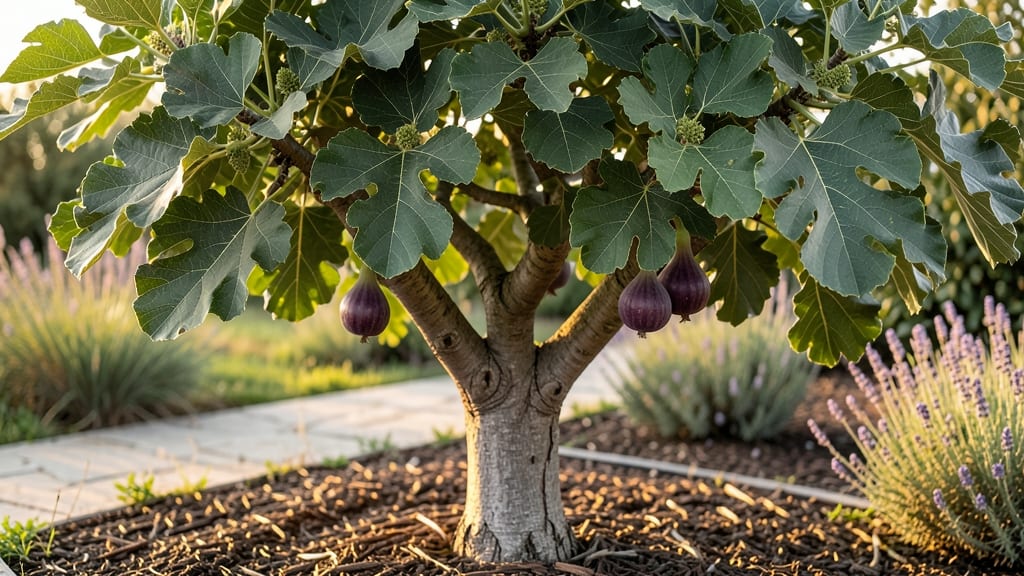
How long before a fig tree bears fruit depends on the variety and care, with some producing fruit in as little as 1-2 years while most standard types take 3-5 years to yield their first harvest.
If you're dreaming of fresh figs straight from your backyard, patience is key—but some fig varieties can surprise you with early harvests.
The time it takes for a fig tree to bear fruit depends on the type, climate, and care, with some producing fruit in as little as 1-2 years!
For example, dwarf varieties like Chicago Hardy or Celeste often fruit faster than their larger counterparts, especially when planted in warm climates like USDA Zone 6a or warmer. Meanwhile, standard fig trees may take longer, but with the right sunlight, watering, and pruning, you can encourage earlier fruiting.
Below, I break down the fastest-bearing fig varieties, climate secrets to speed up harvests, and common mistakes that delay fruit production—so you can start enjoying homegrown figs sooner than you think!
Fig tree fruit timeline: fastest varieties & expected harvest times
If you're eager to enjoy homegrown figs, the fastest-bearing fig varieties can deliver fruit in as little as 1-2 years—though most take 2-5 years to reach full production. The timeline depends on the variety, climate, and whether you plant in-ground or in a container.
For impatient gardeners, choosing the right type and providing optimal care can shave years off the wait.
Container-grown figs often bear fruit 1 year faster than in-ground plants because their roots are less stressed. Dwarf varieties like Celeste and Little Miss Figgy are top picks for small spaces and early harvests.
Meanwhile, hardy varieties like Chicago Hardy thrive in colder climates but may take slightly longer to fruit. Let’s break down the timelines so you can plan your harvest with confidence.
| Variety | First Fruit (Years) | Peak Production (Years) | Best For | Container? |
|---|---|---|---|---|
| Celeste | 1-2 | 3-5 | Small gardens, containers | ✅ Yes |
| Brown Turkey | 2-3 | 4-6 | Warm climates, in-ground | ⚠️ Possible (large pots) |
| Chicago Hardy | 2-3 | 4-7 | Cold climates (Zones 5-8) | ✅ Yes (with winter protection) |
| Little Miss Figgy | 1-2 | 3-4 | Containers, patios | ✅ Yes |
| Violette de Bordeaux | 3-4 | 5-8 | Gourmet figs, warm climates | ⚠️ Large pots only |
The Celeste and Little Miss Figgy varieties are the fastest, often producing fruit in just 1-2 years when grown in containers. These dwarf types are perfect for balconies or small yards where space is limited.
In contrast, Brown Turkey and Violette de Bordeaux take longer—2-4 years—but reward you with larger, more flavorful figs once established.
For cold climates, the Chicago Hardy is a game-changer. It tolerates temperatures down to -15°F and can fruit in 2-3 years if given proper winter protection. Wrap the container in burlap or move it indoors during freezing months to ensure it survives and keeps producing.
This variety proves that hardy doesn’t mean slow!
Container planting accelerates fruiting because it reduces root stress and allows you to control soil quality. Use a well-draining potting mix with added compost and a 15-gallon pot for dwarf varieties.
Place the container in a sunny spot and water deeply 2-3 times per week during the growing season. This care routine can shave off 6-12 months compared to in-ground planting.
If you’re in a warmer climate (Zones 8-11), you can push your fig tree even faster by providing consistent moisture and regular pruning. Remove dead or crowded branches in late winter to encourage new growth and more fruit production.
Avoid over-fertilizing with nitrogen, as it promotes leafy growth at the expense of fruit. Instead, use a balanced 5-10-10 fertilizer in early spring and summer to support fruiting.
One common misconception is that dwarf figs bear fruit faster in all conditions. While they do produce earlier, their size limits how many figs they can yield. For a bigger harvest, consider planting a standard variety like Brown Turkey in-ground, even if it takes longer to fruit.
The trade-off is worth it for those who love abundant, juicy figs straight from the tree.
To maximize your chances of an early harvest, start with a 1-2 year
Climate & care secrets to speed up fig tree fruiting
Fig trees thrive in warm climates, but with the right climate conditions and care practices, you can encourage faster fruiting—even in cooler regions. The key lies in mimicking their natural Mediterranean environment, where full sun exposure and well-draining soil accelerate growth and fruit production.
For example, Chicago Hardy figs can bear fruit in as little as 2 years when planted in ideal conditions, while tropical varieties like Brown Turkey may take slightly longer but reward you with larger yields.
Temperature plays a critical role in fruiting time. Figs need warm days (70-90°F) and cool nights (50-60°F) to set fruit. In colder climates, choosing winter-hardy varieties like Celeste or Desert King ensures survival and faster recovery in spring.
Even in tropical zones, avoiding extreme heat stress (above 95°F) prevents fruit drop and extends the fruiting season.
Your watering routine directly impacts how quickly your fig tree bears fruit. Overwatering leads to root rot and stunted growth, while underwatering stresses the tree. Aim for deep, infrequent watering—about 1-2 inches per week—to encourage strong root development.
Mulching with wood chips or straw retains moisture and regulates soil temperature, creating optimal conditions for fruiting.
Soil type matters just as much as climate. Figs prefer loamy, well-draining soil with a pH between 6.0 and 7.0. Amend heavy clay soil with compost or sand to prevent waterlogging, which can delay fruiting.
In containers, use a mix of potting soil and perlite to ensure excess water drains away quickly. Proper soil preparation can cut fruiting time by up to 30% in ideal conditions.
⚠️ Patience Pays Off—but Not Too Much!
While some fig varieties produce fruit in 1-2 years, others may take 3-5 years to reach full fruiting potential. Dwarf varieties like Little Miss Figgy can bear fruit faster, but even they need 6-8 hours of sun daily and consistent care. Avoid the mistake of expecting instant results—figs reward long-term commitment with sweet, homegrown rewards!
Pruning is another secret weapon for speeding up fruiting. Remove dead or diseased branches in late winter to redirect energy to fruit production. For container-grown figs, prune to maintain shape and encourage airflow and sunlight penetration.
In colder climates, prune back 1/3 of the canopy in early spring to stimulate new growth and faster recovery. Proper pruning can advance fruiting by 6-12 months in the right conditions.
Fertilizing at the right time boosts fruiting speed. Use a balanced fertilizer (10-10-10) in early spring to encourage new growth, then switch to a low-nitrogen, high-phosphorus blend (5-10-10) in late spring to promote flowering and fruiting.
Avoid fertilizing in fall or winter, as this can stimulate weak growth vulnerable to cold damage. Organic options like composted manure or fish emulsion provide slow-release nutrients for steady fruit production.
With the right climate adjustments, care practices, and a dash of patience, your fig tree can start bearing fruit faster than you think. Whether you're in a tropical paradise or a cooler zone, these secrets will help you enjoy homegrown figs sooner than later! 🍇