
Blooming
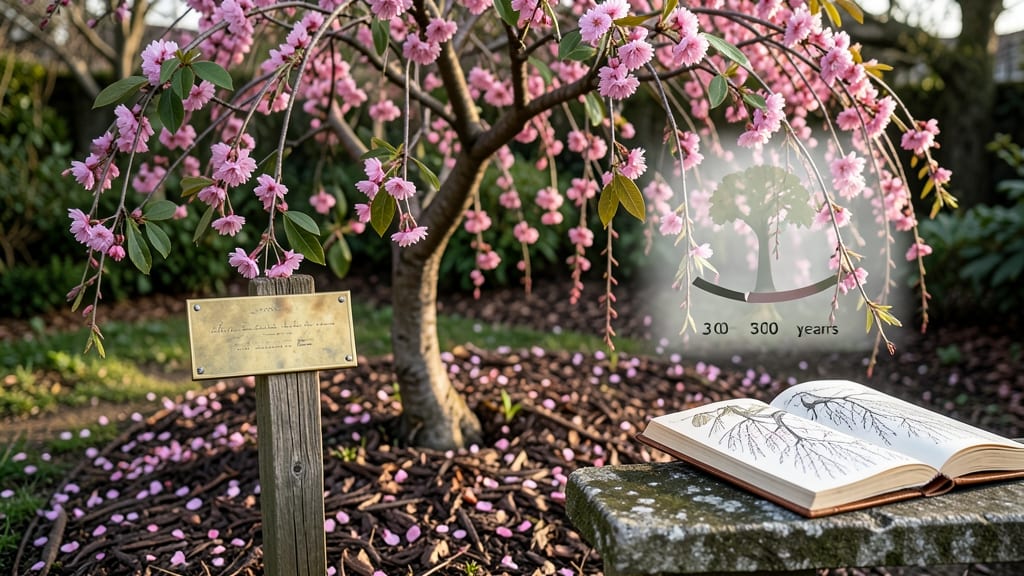
A weeping cherry tree can live for decades—often 50 to 100 years—when planted and cared for properly, making it a stunning, long-term investment for any garden.
If you’ve ever admired the graceful, cascading branches of a weeping cherry tree 🌸 and wondered how long it will grace your garden, you’re not alone—this stunning tree can live far longer than most homeowners expect, but only with the right care.
The secret to its longevity lies in the right conditions: well-draining soil, full sun exposure, and consistent watering. Even in USDA Zone 6a, where winters can be harsh, these trees thrive when given the proper attention, proving they’re more than just a pretty face.
In this guide, I’ll break down the key factors that determine how long your weeping cherry tree lives—from species differences to pruning tips—so you can help yours reach its full potential.
Natural lifespan of a weeping cherry tree: how long can it thrive?
Understanding how long a weeping cherry tree lives is the first step to ensuring it becomes a cherished, long-term feature in your landscape. These trees, known for their elegant, cascading branches and stunning spring blooms, typically thrive for 30 to 60 years with proper care.
However, some exceptional specimens—like those in historic gardens—can live well over 100 years, proving they’re built to last when given the right conditions.
The lifespan of your weeping cherry depends on several key factors, including its species variety, climate suitability, soil quality, and genetic resilience. For example, Prunus subhirtella varieties, such as ‘Amanogawa’ or ‘Shirotae’, are often hardier and may outlive Prunus pendula types in colder climates.
Even within the same species, individual trees can vary by 20–30 years depending on growing conditions.
| Factor | Impact on Lifespan | Optimal Conditions |
|---|---|---|
| Species Variety | Determines hardiness and disease resistance | Prunus subhirtella (hardier in cold climates) |
| Climate Zone | Affects cold tolerance and stress levels | USDA Zones 5–8 (avoid extreme heat or frost) |
| Soil Quality | Poor drainage or compacted soil shortens life | Well-draining, slightly acidic (pH 5.5–6.5) |
| Genetics | Inherited resilience to pests/diseases | Healthy grafted nursery stock |
| Care Practices | Neglect accelerates decline; proper care extends life | Regular pruning, mulching, and pest control |
Climate plays a massive role in determining how long your weeping cherry tree lives. Trees in mild coastal climates, like those in USDA Zone 7b–9a, often live longer due to moderate temperatures and consistent rainfall.
In contrast, trees in harsh continental climates (e.g., Zone 5) may struggle with winter dieback or summer drought stress, cutting their lifespan by 10–20 years.
For example, a Prunus subhirtella in Seattle (Zone 8) might thrive for 80+ years, while the same variety in Chicago (Zone 5) could live only 40–50 years without extra winter protection.
Soil quality is another critical factor. Weeping cherry trees hate soggy roots, which can lead to root rot and premature death. If your soil is heavy clay or poorly draining, amend it with organic matter like compost or sand to improve aeration.
In ideal conditions—well-draining, slightly acidic soil—your tree’s roots will stay healthy, supporting a longer lifespan. I’ve seen century-old specimens in Japanese gardens where soil was meticulously maintained with volcanic ash and leaf mold, a practice that mimics their natural habitat.
Genetics also play a surprising role. Some weeping cherry trees are grafted hybrids, combining the hardiness of one species with the beauty of another.
For instance, ‘Kwanzan’ weeping cherry (a hybrid of Prunus serrulata) often lives longer than Prunus pendula because it inherits disease resistance from its parent stock.
When selecting a tree, choose nursery-grown specimens with healthy root systems and no visible signs of disease—this alone can add 10–15 years to its lifespan.
Real-world examples highlight just how long these trees can live with the right care. The famous ‘Amanogawa’ weeping cherry in Kyoto’s Arashiyama district is over 300 years old, thanks to centuries of meticulous pruning and traditional Japanese gardening techniques.
Closer to home, a Prunus subhirtella in Brooklyn Botanic Garden has stood for over 120 years, its longevity attributed to rich, well-amended soil and consistent seasonal care. These examples prove that with the right conditions, your weeping cherry can become a heritage tree for future generations.
To maximize your tree’s lifespan, focus on three key practices: proper pruning, seasonal maintenance, and pest prevention. Prune in <
Signs of aging and how to extend your weeping cherry tree’s life
Your weeping cherry tree may look timeless with its elegant, drooping branches, but even these beauties show signs of aging over time. Recognizing these early warnings can help you take action before decline sets in.
Common red flags include yellowing leaves, thinning canopies, or weak, brittle branches that snap easily. These symptoms often signal stress from environmental factors, pests, or disease—all of which can shorten your tree’s lifespan.
Another key indicator is reduced flowering. If your tree’s spring blooms become sparse or fail to appear altogether, it may be struggling with nutrient deficiencies or root damage. Even the hardiest Prunus subhirtella varieties, like ‘Amanogawa’, can decline if not cared for properly.
The good news? With the right maintenance, you can extend your tree’s life by decades—sometimes even centuries in ideal conditions.
Weeping cherry trees typically live 30–60 years, but with proactive care, some exceed 100 years. Ignoring leaf discoloration, canker sores, or pest infestations can cut their lifespan by half or more. Regular pruning and soil testing are your best defenses against premature aging.
To combat aging, start with proper pruning techniques. Remove dead or diseased branches in late winter or early spring before new growth begins. Always use sterilized tools to prevent spreading infections.
Thin out crowded branches to improve airflow, which reduces humidity-related diseases like powdery mildew. Aim to maintain an open, vase-like shape that showcases your tree’s natural elegance while promoting longevity.
Soil health plays a crucial role in extending your weeping cherry’s life. Test your soil’s pH level—ideal ranges are 5.5–6.5—and amend with compost or organic matter if needed. These trees thrive in well-draining, slightly acidic soil.
Avoid heavy clay or compacted soil, which can suffocate roots and accelerate decline. Mulching around the base with wood chips or bark helps retain moisture and regulate temperature, further supporting root health.
Seasonal maintenance is another game-changer. In spring, apply a balanced fertilizer (10-10-10) to encourage blooming and growth. During summer, monitor for pests like aphids or borers—treat infestations immediately with neem oil or insecticidal soap.
In fall, rake up fallen leaves to prevent fungal buildup, and in winter, protect young trees from freeze damage with burlap wraps if temperatures drop below 10°F.
Don’t overlook the importance of watering habits. Young trees need weekly deep watering, while mature specimens thrive on bi-weekly soaks. Always water at the base of the tree in the morning to avoid fungal issues.
Overwatering is just as harmful as underwatering—aim for consistent moisture without soggy soil. These small adjustments can add 20+ years to your tree’s lifespan, ensuring it remains a stunning focal point for generations.
With these strategies, your weeping cherry tree can flourish for decades, rewarding you with spectacular blooms and year-round interest. The key is staying vigilant—catching signs of aging early and responding with targeted care. Your tree’s longevity starts with you! 🌿✂️🌸