
Blooming
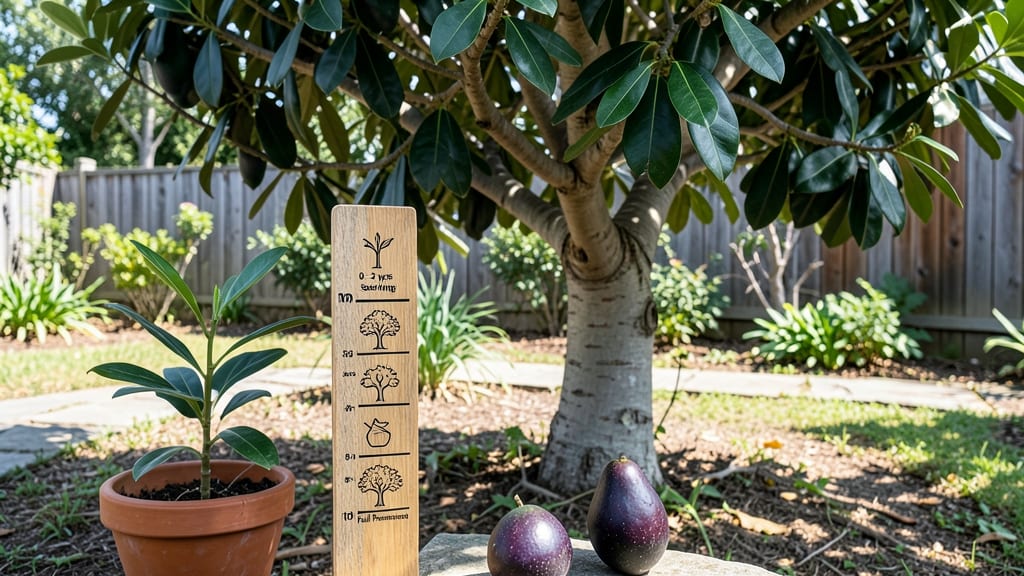
Producing fruit from an avocado tree 🥑 takes 3 to 13 years, depending on how you grow it—seed or grafted—and where you live.
That timeline might sound frustrating, but here’s the good news: with the right variety and care, you can cut years off that wait.
I’ve seen seed-grown trees fruit in as little as 5 years with proper pruning, while grafted trees (like Hass) often bear fruit in 3 to 4 years.
Climate, soil, and even pollination play a huge role—some gardeners in warm zones like Zone 6a get fruit faster than those in cooler areas. The key is knowing which varieties thrive where and how to give your tree the best start.
Below, I’ll break down the fastest ways to get fruit, from choosing the right avocado type to care tricks that skip the long wait. Let’s make that 3-year goal a reality.
Avocado tree fruit production timeline: fastest varieties & realistic expectations
If you're dreaming of homegrown avocados, understanding the fruit production timeline is crucial. Most seed-grown trees take 5-13 years to bear fruit, but with the right variety and care, you can shave years off that wait. The key lies in choosing fast-maturing types and optimizing growing conditions.
For impatient gardeners, grafted trees are the fastest route—some produce fruit in just 3-5 years. These trees are bred for commercial production and skip the slow genetic lottery of seed-grown varieties. Even among seed-grown types, certain varieties like Reed and Fuerte tend to fruit earlier than others.
Your climate zone plays a massive role. Avocados thrive in USDA Zones 9-11, where they can grow year-round. In cooler zones (like Zone 8 or below), trees may take longer to mature or require winter protection. Soil quality also matters—well-draining, slightly acidic soil (pH 6.0-7.0) accelerates growth and fruiting.
Here’s a quick look at how different avocado varieties compare in fruit production timelines:
| Variety | Seed-Grown Timeline (Years) | Grafted Timeline (Years) | Fruit Size | Climate Notes |
|---|---|---|---|---|
| Hass | 8-13 | 3-5 | Medium (6-8 oz) | Tropical/subtropical; needs warmth |
| Fuerte | 5-10 | 2-4 | Large (12-16 oz) | Adaptable to mild winters |
| Reed | 4-8 | 2-3 | Small (4-6 oz) | Cold-hardy; great for Zone 8 |
| Bacon | 7-12 | 3-5 | Large (14-18 oz) | Heat-tolerant; needs consistent water |
| Lamb Hass | 6-10 | 2-4 | Medium (8-10 oz) | Early producer; drought-resistant |
The Reed variety is often the fastest for seed-grown trees, with some producing fruit in as few as 4 years under ideal conditions. However, these timelines assume perfect care—proper pruning, fertilization, and pollination can make a huge difference.
For example, a Hass avocado grafted onto a fast-growing rootstock might fruit in just 3 years, while a seed-grown Hass could take 10+ years.
Don’t overlook the importance of pollination. Avocado trees have two flower types: A-type and B-type. Planting both types ensures cross-pollination, which is critical for fruit set. Without it, your tree might flower but produce little to no fruit.
Bees and other pollinators handle this naturally, but in enclosed spaces (like greenhouses), you may need to hand-pollinate.
Another game-changer is soil nutrition. Avocados are heavy feeders, especially during fruiting. A balanced fertilizer (like 6-6-6 NPK) applied every 4-6 weeks during growing season can speed up maturation.
Organic options like compost or fish emulsion also work well. Pair this with deep watering—avocado trees have extensive root systems that need consistent moisture, especially during fruit development.
If you're in a cooler climate, consider growing your avocado in a container and moving it indoors during winter. This protects the roots and can prevent stunted growth. With container-grown trees, you’ll still need patience, but they often mature slightly faster than in-ground trees due to controlled conditions.
Just ensure the pot is at least 15-20 gallons to accommodate root growth.
Finally, remember that patience is part of the reward. Even the fastest avocado trees take years to produce fruit, but with the right variety, care, and climate, you can enjoy homegrown avocados in half the time.
Start with a grafted Fuerte or Reed, give your tree the best conditions, and soon you’ll be harvesting your own creamy, delicious fruit!
5 Proven care secrets to speed up avocado tree fruiting
Waiting for your avocado tree to produce fruit can feel like an eternity, but the right care strategies can shave years off the process. Most seed-grown trees take 5-13 years to bear fruit, while grafted varieties may fruit in as little as 3-5 years with optimal conditions.
The key lies in understanding how to accelerate growth and encourage flowering.
I’ve learned through trial and error that pruning, pollination, and nutrient management are the three pillars of faster fruiting. Skipping these steps often leads to delayed or poor fruit production, even in mature trees.
Let’s dive into the five proven secrets that will help your avocado tree reach fruiting stage sooner.
🌱 Speed Up Fruiting with These 5 Secrets
- 🌿 Prune strategically in late winter to remove dead wood and shape the tree for better airflow and sunlight penetration.
- 🌸 Hand-pollinate flowers using a soft brush to transfer pollen between A-type and B-type trees (most avocados need both).
- 💧 Water deeply 2-3 times per week during fruit development (summer months) to prevent stress-induced fruit drop.
- 🌱 Fertilize with citrus/avocado blend (6-6-6 NPK) every 6-8 weeks during growing season, avoiding high nitrogen in fall.
- ☀️ Ensure full sun exposure (6+ hours daily) and protect young trees from frost damage to maintain vigorous growth.
One of the biggest mistakes I’ve seen is over-pruning young avocado trees, which stunts their growth. Instead, focus on light shaping to encourage a strong central leader and scaffold branches.
Use sharp, clean pruners to make cuts just above a leaf node, and avoid removing more than 25% of the canopy in a single session.
Pollination is another critical factor most gardeners overlook. Avocado flowers are self-unfruitful in many cases, meaning you need both A-type and B-type trees for successful pollination.
If you only have one tree, consider planting a second variety or manually transferring pollen with a small paintbrush during the morning hours when flowers are open.
For fertilization, I recommend a balanced citrus/avocado blend like 6-6-6 NPK, applied every 6-8 weeks during the growing season. Avoid high-nitrogen fertilizers in late summer or fall, as this can promote leafy growth at the expense of flowering.
Organic options like composted manure or worm castings also work well for gradual nutrient release.
Seasonal adjustments are just as important as daily care. In spring, focus on watering deeply and applying a slow-release fertilizer to boost root and shoot growth. During summer, increase watering frequency to every 2-3 days and monitor for pests like avocado lace bugs.
In fall, reduce watering and fertilization to prepare the tree for dormancy, while winter care should focus on protecting young trees from frost with burlap wraps or mulch.
With these five care secrets, you can significantly reduce the time it takes for your avocado tree to produce fruit. Remember, patience is still key, but the right techniques will give your tree the best chance to thrive and bear fruit sooner than expected. Happy growing! 🌳