
Container Gardens
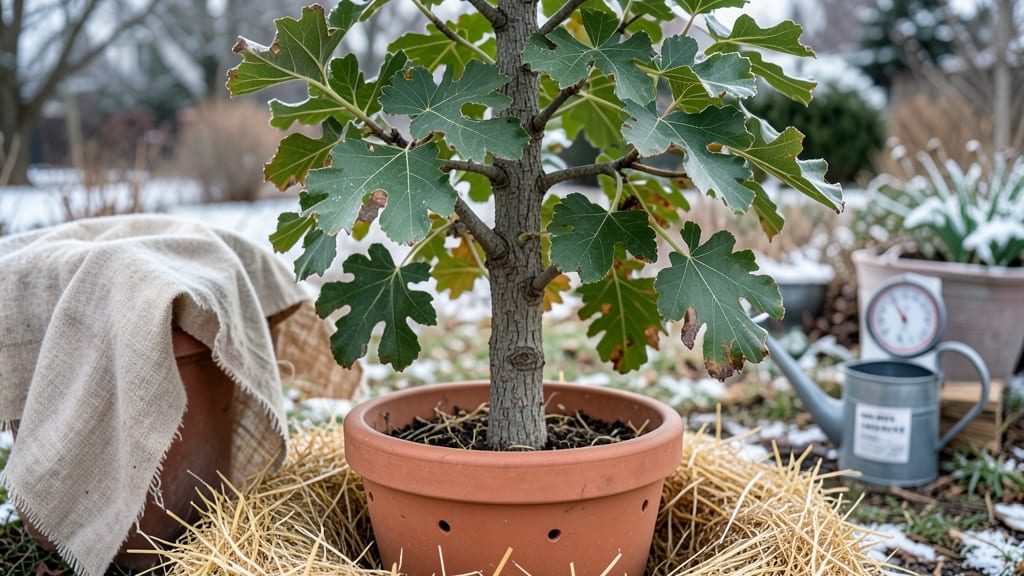
Winter care for your potted fig tree starts with a cozy transition—figs hate cold roots, and a single frost can turn your summer harvest into a sad, brown mess. 🌿 I’ve saved my figs from winter wipeouts by treating them like delicate houseguests: move them early, shield them from drafts, and adjust their watering before the first chill hits.
The key is timing: bring your potted fig indoors before nighttime temps dip below 40°F, or wrap the pot in bubble wrap to insulate roots.
Once inside, place it near a south-facing window where it gets at least 6 hours of light daily—figs sulk without sunlight, and you’ll know because the leaves turn yellow faster than a summer tomato in the shade.
You’ll notice the difference in weeks—no more crispy edges or stunted growth. Prune lightly in early spring to encourage fresh shoots, and watch your fig tree bounce back with vibrant new leaves and a crop that’ll make your neighbors green with envy (the good kind).
Pro tip: Mist the leaves occasionally to combat dry indoor air, but never let the soil stay soggy—root rot in winter is a silent killer. With these tricks, your potted fig will wake up in spring ready to fruit like it’s summer already.
📚 In This Guide
- What you need
- Instructions
- Tips and common mistakes
- Wrapping up and next steps
What you need
- ● Insulating pots: A terracotta or ceramic pot (12–18 inches in diameter) with a drainage hole (or a plastic grow bag for extra root protection).
- ● Potting mix: A well-draining blend (60% inorganic: perlite, pumice, or coarse sand + 40% organic: compost or coconut coir). Quantity: Enough to fill the pot (typically 2–3 cubic feet).
- ● Mulch: Straw, pine needles, or shredded bark (2–3 inches thick) to insulate the soil.
- ● Winter wrap: Burlap sack or frost cloth (large enough to loosely cover the pot and tree).
- ● Watering can: With a narrow spout for gentle, deep watering.
- ● Pruning shears: Sterilized, sharp shears (for trimming dead or weak branches).
- ● Root protectant: Bubble wrap or foam board (cut to wrap around the pot’s sides).
- ● Slow-release fertilizer: A balanced 10-10-10 or citrus-specific formula (1–2 tbsp per pot, applied in early spring).
- ● Pot feet or bricks: To elevate the pot slightly off the ground (prevents water pooling).
- ● Humidity tray: A shallow tray with pebbles and water (to boost moisture around the tree).
- ● Grow lights: If indoors, a full-spectrum LED bulb (12–14 hours/day for weak sunlight spots).
Step-by-Step instructions for potted fig tree winter care
Here's how I keep my potted fig trees thriving through winter—no freezes, no browning leaves.
🪴 Step 1: Move to a Sheltered Location Before Frost
When nighttime temperatures drop below 40°F, it's time to act. I roll my potted figs into an unheated garage, covered patio, or even a basement corner with indirect light. The key is avoiding freezing roots—figs can handle 30°F for short periods, but prolonged cold kills them.
Check your local forecast and move the pots 3-5 days before the first frost warning. Place them where they won't bump into walls or other containers. A 2-3 inch gap around the pot helps with airflow and prevents moisture buildup that leads to rot.
💧 Step 2: Reduce Watering and Monitor Soil Moisture
Winter watering is a balancing act. I water only when the top 2 inches of soil feel dry—about every 3-4 weeks in my climate. Overwatering in cold conditions suffocates roots and promotes fungal diseases. You'll know it's time when the soil pulls away slightly from the pot's edges.
Use a watering can with a narrow spout to direct moisture straight to the soil, avoiding the foliage. If your space gets below 40°F, cut back to once a month or less. The goal is to keep the roots just barely hydrated—not soggy.
☀️ Step 3: Provide Supplemental Light if Needed
Even in winter, figs need 6+ hours of light daily. If your sheltered spot is dim, I add a full-spectrum LED grow light on a 12-hour timer. Place it 12-18 inches above the tree—close enough to see slight leaf movement when it's on.
Watch for yellowing leaves or stretched growth (a sign of legginess). If you see new shoots forming, your tree is still active and needs light. If leaves drop entirely, it's dormant and doesn't need extra light—just consistent 50-60°F temperatures.
✂️ Step 4: Prune Dead or Damaged Growth
In late winter (around February), I inspect the tree for brown, brittle branches or shriveled leaves. Using clean, sharp pruners, I cut back dead wood to a healthy bud or branch fork. Figs handle pruning well, so don't fear cutting—just avoid overdoing it.
I also remove any thin, weak growth that crossed in the fall. This opens up the canopy for better airflow and light penetration. After pruning, I wipe the cuts with a 1:9 hydrogen peroxide solution to prevent bacterial infections.
🌿 Step 5: Fertilize Lightly in Early Spring
Hold off on fertilizer until late winter or early spring when you see new buds swelling. I use a balanced 10-10-10 fertilizer at half strength—figs don't need heavy feeding in winter. Mix it into the top 2 inches of soil and water lightly to distribute.
If your fig is fully dormant (no buds, no leaves), skip the fertilizer entirely. Wait until you see green shoots emerging—that's your cue to feed. Over-fertilizing in winter stresses the tree and can lead to salt buildup in the soil.
Tips & tricks for cold-hardy potted fig trees
Took me years to figure out these tricks—now my figs survive winter like they're built for it. Here's what nobody tells you about keeping those roots and leaves happy when temperatures drop.
Temperature Monitoring: Those 40°F and 30°F thresholds are critical. I keep a small thermometer near my potted figs to track overnight lows. When temps hover around 30°F for more than a few hours, I move them to a slightly warmer spot—even a few degrees can make the difference between thriving and struggling. A quick fix: wrap the pot in bubble wrap for extra insulation without trapping moisture.
Lighting Strategy: The 6+ hours of light requirement is non-negotiable, but here's the secret: position your grow light so it hits the tree from the side rather than directly overhead. This mimics natural sunlight angles and prevents that leggy, stretched growth. I also rotate the pot weekly so all sides get even exposure—you'll notice new growth is more compact and bushier.
Pruning Precision: When you're cutting back those brown, brittle branches in Step 4, look for the healthy bud or branch fork just below the dead wood. This is your cue to stop cutting—figs heal best from these growth points. Pro tip: I sterilize my pruners with rubbing alcohol between cuts to prevent spreading any hidden pathogens that could weaken your tree during winter.
Winter Watering Rescue: If you accidentally overwatered and the soil feels soggy, don't panic. I've saved trees by temporarily moving them to a warmer spot (like a sunny windowsill) and letting the excess moisture evaporate. Just avoid watering again until the top 2 inches feel dry—this usually takes about 2 weeks in my experience.
Pro Tips for Potted Fig Tree Winter Care
- Took me years to figure out these tricks—now my figs survive winter like they're built for it.
- Temperature Monitoring: Those 40°F and 30°F thresholds are critical.
- Lighting Strategy: The 6+ hours of light requirement is non-negotiable, but here's the secret: position your grow light so it hits the tree from the side rather than directly overhead.
Frequently asked questions
Got questions about keeping your potted fig tree thriving through winter?
You’re not alone! Here are some of the most common concerns—and straightforward answers—to help you winterize with confidence.
How cold can a potted fig tree tolerate before needing extra protection?
A potted fig tree can handle brief dips to 20°F (-6°C) if well-prepared, but prolonged exposure below 25°F (-4°C) risks damage. For colder climates, move it indoors (like a garage or basement) or wrap the pot in burlap and use insulating blankets to shield roots. Pro tip: Acclimate it gradually to cold temps over 2–3 weeks to avoid shock!
Should I cut back my fig tree before winter?
Pruning isn’t required, but light trimming (removing dead or weak branches) helps. Avoid heavy pruning in late fall—wait until early spring for major cuts. If your tree is young or in a risky zone, you can prune back by 1/3 to encourage new growth in spring. Warning: Never prune after the first frost, as it can stimulate tender new growth that won’t survive.
How often should I water my potted fig tree in winter?
Water sparingly—only when the top 1–2 inches of soil feel dry. Overwatering in cold weather can lead to root rot. Reduce watering by 50% compared to summer and avoid wet leaves (which can freeze). A self-watering pot or moisture meter can help you strike the right balance.
Can I keep my potted fig tree indoors during winter?
Yes! If temps drop below 25°F (-4°C), move it to a cool, bright spot like a garage, shed, or even a sunroom (with indirect light). Avoid heaters or drafts—aim for 40–50°F (4–10°C). If indoors, reduce watering and mist leaves occasionally to combat dry air. Pro tip: Rotate the pot weekly for even light exposure!
What if my fig tree loses leaves in winter—is it dead?
Not necessarily! Many fig trees drop leaves in winter as a survival tactic. If the wood is still firm and the roots feel healthy, it’s likely dormant. Resist pruning until spring—new leaves (and fruit!) will return when temps rise. Red flag: If the bark is mushy or the pot smells foul, your tree may need repotting or a check for pests.
Wrapping up and next steps
With the right care, your potted fig tree can thrive even through winter’s chill! 🌱🍃 Remember to insulate roots, protect leaves, and adjust watering to keep it happy. A little effort now means lush, fruitful growth come spring—so don’t wait until the last frost to prep!
Ready to give your fig tree the cozy winter it deserves? Grab your supplies and start prepping today—your future harvest will thank you! 🌿✨