
How To
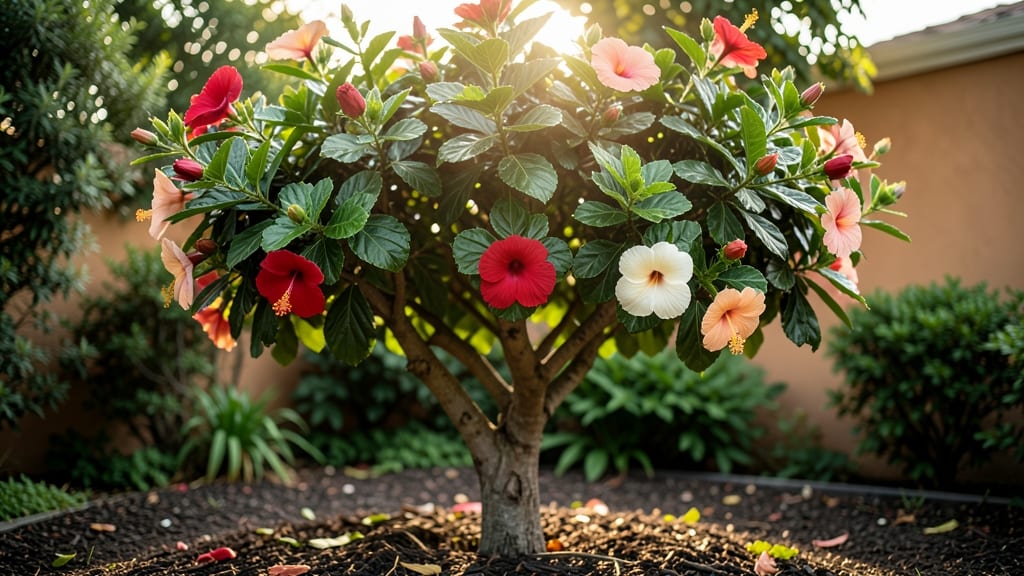
A hibiscus tree can grow how tall can a hibiscus tree grow anywhere from 6 feet to over 20 feet, depending on the variety and growing conditions 🌺 — and knowing the difference is key to planning your garden layout.
If you've ever admired a hibiscus tree's vibrant blooms but wondered how much space it’ll need to thrive, you’re not alone. Some varieties can grow into towering giants, while others stay compact—making the difference between a stunning centerpiece and an unruly garden takeover.
Tropical hibiscus species, like those in Hibiscus rosa-sinensis, often reach 10 to 20 feet tall, while hardier varieties such as Hibiscus syriacus (commonly called rose-of-Sharon) typically max out around 10 to 12 feet.
The right pruning and care can even keep them shorter if you prefer a more manageable size.
Below, I’ll break down the height ranges by variety, the factors that influence growth, and how to control its size—so you can enjoy those showstopping blooms without sacrificing garden space.

Hibiscus tree height by variety: small to giant sizes explained
Choosing the right hibiscus variety depends heavily on how much space you have—and how tall you want your plant to grow. Some hibiscus trees stay small enough for containers, while others can reach towering heights of over 30 feet in ideal conditions.
Understanding these differences helps you plan your garden layout or container setup for stunning blooms without overcrowding.
The height of a hibiscus tree varies dramatically between species. Tropical hibiscus (Hibiscus rosa-sinensis) can grow into massive trees, while hardy hibiscus (Hibiscus syriacus) often stay more compact. Even within the same species, cultivars can differ by 10 feet or more.
Let’s explore the full range, from dwarf varieties perfect for patios to giants that need room to spread their wings.
If you’re working with limited space, dwarf hibiscus varieties like 'Lima' or 'Pixie' are perfect choices. These stay under 6 feet and thrive in containers, making them ideal for patios or balconies.
Their compact size also means they’re easier to maintain and prune, though they still produce stunning blooms year after year.
For a more traditional garden look, hardy hibiscus (Hibiscus syriacus) offers a great middle ground. These varieties typically reach 6–12 feet and grow well in USDA zones 5–9.
They’re cold-hardy and can handle pruning to keep their shape manageable, making them a favorite for hedges or privacy screens in suburban yards.
Tropical hibiscus (Hibiscus rosa-sinensis) is where things get exciting—and space-demanding. In tropical climates, these can grow into 20-foot trees with thick trunks and lush foliage. Even in temperate zones, they can reach 10–15 feet if given enough warmth and sunlight.
Their vibrant flowers come in every color imaginable, but their size requires careful planning.
If you’re dreaming of a hibiscus that makes a bold statement, consider the swamp hibiscus (Hibiscus moscheutos). This variety thrives in wet soil and can reach 6–12 feet with a wide, spreading habit.
It’s perfect for adding drama near ponds or in rain gardens, where its large, showy blooms can be the focal point of your landscape.
For those with truly expansive gardens—or who want to create a tropical paradise—giant hibiscus (Hibiscus tiliaceus) is the ultimate choice. This species can grow over 30 feet tall in ideal conditions, with a thick trunk and sprawling branches.
It’s a staple in coastal tropical regions but needs plenty of space to grow unchecked.
When selecting a hibiscus variety, always consider your climate zone and available space. A dwarf hibiscus in a container might thrive in your urban patio, while a tropical giant could become a centerpiece in a large backyard or tropical resort.
With the right variety, you can enjoy hibiscus blooms at any scale—from tiny patios to sprawling estates.
🌺
Factors that influence hibiscus tree growth height
Your hibiscus tree’s height isn’t just luck—it’s a mix of genetics, care, and environment. While some varieties naturally reach 20+ feet, others stay under 6 feet with the right conditions.
Understanding these factors lets you guide your plant’s growth, whether you want a compact shrub or a towering specimen.
Sunlight exposure is the #1 growth driver. Hibiscus trees thrive in full sun (6+ hours daily), which fuels rapid vertical growth. In shadier spots, they’ll stretch toward light, becoming leggy and weak. Meanwhile, soil quality—especially drainage and nutrients—directly impacts root strength, which supports height potential.
Full sun (6+ hours) = 20+ ft growth; partial sun = 10-15 ft max. Tropical hibiscus needs bright indirect light in containers.
Regular pruning after blooming keeps height under 6 ft. Hard pruning in late winter promotes new growth but may delay blooms.
Tropical hibiscus (Zones 9-11) can hit 30+ ft outdoors. Hardy hibiscus (Zones 5-9) tops out at 12-15 ft without winter protection.
Deep watering 2-3x/week encourages taller growth. Drought stress stunts height but increases bloom density.
Rich, well-draining soil with pH 6.0-7.0 supports 20+ ft growth. Compacted or poor soil limits height to 8-10 ft.
Your climate zone plays a surprising role. Tropical hibiscus (like Hibiscus rosa-sinensis) can soar to 30+ feet in warm climates, while hardy varieties (like Hibiscus syriacus) max out at 12-15 feet unless pruned aggressively.
Even within species, container growth restricts height—potted hibiscus rarely exceed 6 feet unless you’re repotting annually.
Don’t overlook watering patterns. Hibiscus trees need consistent moisture to fuel vertical growth, but overwatering causes root rot, which stunts height. In my Zone 8 garden, I’ve seen hibiscus grow 3 feet taller in one season when watered deeply twice weekly during summer.
Conversely, drought-stressed plants focus energy on survival, not height.
For compact growth, combine regular pruning with balanced fertilization (10-10-10 NPK). I prune my Hibiscus syriacus back by 1/3 each spring and top-dress with compost—this keeps it at 8 feet while ensuring abundant blooms.
The key is timing: prune right after flowering to avoid cutting next year’s buds.
Pro tip: Use staking for young hibiscus to support their top-heavy growth. I’ve seen 10-foot-tall plants topple over without support, which also limits their height potential. A simple 3-foot bamboo stake can make all the difference in maintaining an upright form.