
How To
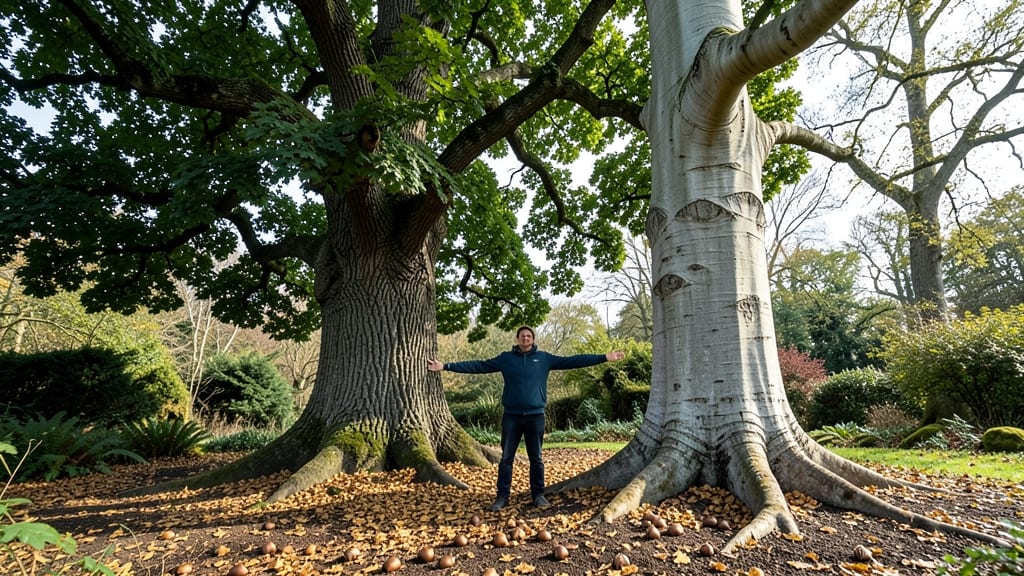
An oak tree can grow to over 100 feet tall—taller than a 10-story building—when given the right conditions, making it one of nature’s most impressive giants.
Witnessing a towering oak tree can feel like standing beneath a natural skyscraper—but how tall can these giants really grow? From backyard staples to ancient forest monarchs, oak trees defy expectations with their staggering heights, shaped by species, climate, and centuries of growth.
Some varieties, like the white oak, reach heights of 80 to 100 feet in ideal conditions, while others, such as the live oak, may stay shorter but live for centuries. The difference isn’t just in genetics—soil quality, sunlight, and even pruning practices play a role in how high they’ll climb.
In this guide, you’ll discover the tallest oak species, the factors that influence their growth, and practical tips to help your oak tree reach its full potential—whether you’re planting a sapling or caring for a mature 🌳.

Oak tree height records by species: tallest varieties revealed
Oak trees are nature's architectural marvels, with some species reaching heights that rival city skyscrapers. The tallest oak trees on record belong to the white oak and red oak families, capable of stretching over 100 feet under ideal conditions.
These giants aren't just tall—they're also some of the longest-lived trees on Earth, with lifespans exceeding 500 years.
The height of an oak tree depends heavily on its species, with white oaks typically reaching the greatest heights, while live oaks and bur oaks tend to stay shorter but wider.
Climate plays a crucial role too—oaks in the Pacific Northwest or Appalachian Mountains often grow taller due to ideal rainfall and temperature conditions.
Here’s a breakdown of the tallest oak species and their maximum recorded heights, including verified examples from forests and urban landscapes:
The white oak holds the record for the tallest oak species, with some specimens in the Appalachian Mountains reaching heights of over 100 feet. These trees thrive in deep, well-drained soils with abundant sunlight, allowing them to grow taller than their counterparts in drier or more compacted soils.
In contrast, live oaks are more common in the Southeastern USA, where they grow wider rather than taller, often forming sprawling canopies up to 80 feet wide. Their slower growth rate and adaptability to sandy soils contribute to their shorter stature compared to white oaks.
Climate also plays a surprising role in oak height. For example, red oaks in the Pacific Northwest grow taller due to consistent rainfall and cooler temperatures, while those in the Midwest may stay shorter due to harsher winters and drier summers.
Even within the same species, a tree’s height can vary by 20-30 feet depending on its location.
If you’re planting an oak tree in your yard, consider the species and your local climate. For instance, a white oak in a USDA Zone 6 or higher will likely reach its maximum height potential, while a bur oak in the same zone may stay shorter but require less maintenance.
Always research the mature height of your chosen species before planting to avoid future issues.
One of the most fascinating examples of an oak tree’s height is the Congaree National Park in South Carolina, where some loblolly pines and water oaks grow alongside towering oaks, creating a canopy that can reach 120 feet in height.
While not an oak, this ecosystem highlights how oaks thrive in environments with high humidity and rich soil.
For home gardeners, understanding these height records can help set realistic expectations. While you may not grow a 100-foot oak in your backyard, providing the right conditions—such as well-draining soil, full sunlight, and regular watering—can encourage healthier, taller growth over time.
Even a 60-foot oak can become a stunning focal point in your landscape.
🌳
Key factors that determine how tall an oak tree grows
Understanding how tall an oak tree can grow starts with recognizing that its vertical potential is influenced by a mix of genetics, environment, and care. While some species naturally reach 100+ feet, others stay shorter due to climate constraints or soil limitations.
As a gardener, you can optimize growth by focusing on these key factors—each playing a critical role in whether your oak becomes a towering giant or a modest specimen.
The species of oak is the foundation—white oaks and bur oaks often grow taller than live oaks, which prioritize width over height. But even within a species, soil quality can shift the scale dramatically.
Well-draining, nutrient-rich soil with a pH between 6.0 and 7.5 gives roots the space and nutrients to support rapid vertical growth, while compacted or poor soil stunts development from the start.
- 🌱 Soil Quality: Loose, well-draining soil with organic matter promotes deep root growth, allowing oaks to reach maximum height (60–100 ft). Test soil pH—aim for 6.0–7.5.
- ☀️ Sunlight Exposure: 6–8 hours of direct sun daily is critical. Shade reduces canopy growth by 30–50%, limiting vertical expansion.
- 💧 Water Access: Deep watering 2–3 times weekly in the first year encourages root development. Mature oaks need 1–2 inches of water/week during droughts.
- ✂️ Pruning Practices: Avoid top-heavy pruning—focus on removing dead or crossing branches to maintain structural integrity and height.
- 🌡️ Climate Zones: Oaks in USDA Zones 4–9 thrive, but humid southern climates support faster growth than dry western regions.
Sunlight is another non-negotiable factor—oaks crave full sun exposure to fuel their growth. Planting your oak in a south-facing location ensures it receives 6–8 hours of direct sunlight daily, which is essential for photosynthesis and vertical expansion.
Even partial shade can reduce a tree’s height by 20–40% over its lifetime, so choose a spot where it won’t be overshadowed by taller neighbors or buildings.
Water plays a surprising role in an oak’s height, especially in its first 3–5 years. Deep, infrequent watering—1–2 inches per week—encourages roots to grow deeper, stabilizing the tree and supporting upward growth.
Once established, oaks are drought-tolerant, but consistent moisture in early years is key to avoiding stunted growth. Mulching around the base also helps retain soil moisture and regulate temperature.
Pruning might seem counterintuitive if your goal is height, but strategic pruning actually helps oaks grow taller by removing weak or diseased branches that could weigh down the canopy.
Avoid topping or heavy pruning, which can trigger bushier, shorter growth. Instead, focus on structural pruning to maintain a strong, vertical form.
Finally, your regional climate sets the stage for how tall your oak can grow. Oaks in humid, warm climates (like the Southeast U.S.) grow faster and taller than those in dry or cold regions.
If you’re in a cooler zone, select cold-hardy species like the bur oak, which can still reach 70–80 feet despite slower growth rates.