
Trees
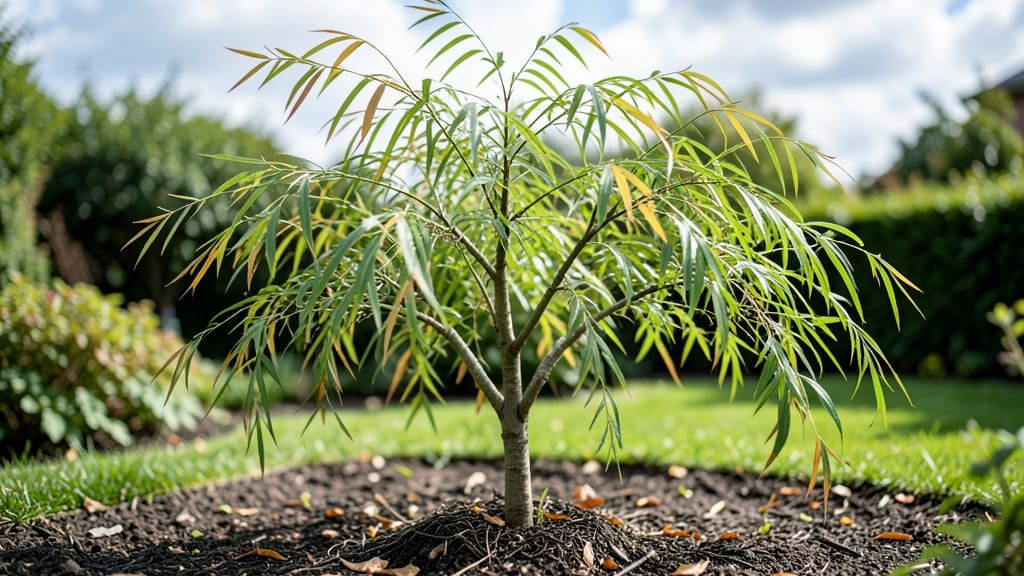
A hybrid willow tree’s growth rate can shoot it from a sapling to a towering 10-foot giant in just one year—if you give it the right conditions.
Picture this: your backyard transformed from a patch of grass to a lush, leafy canopy in what feels like overnight. That’s the magic of hybrid willows, but only if you know their secrets.
Too little water or poor soil, and you’ll watch that rapid growth stall—or worse, the tree struggle to survive.
Fast growth isn’t just about speed; it’s about smart care. The right soil mix, consistent moisture, and strategic pruning can turn a 3-foot sapling into a 20-foot shade provider in three years.
But skip these steps, and you might end up with a weak, sprawling mess instead of the dream tree you envisioned.
In this guide, I’ll break down the fastest-growing varieties, the care tricks that double their speed, and how to avoid common pitfalls—so you can enjoy your hybrid willow’s breathtaking transformation without the headaches.


Fastest-growing hybrid willow tree varieties and their annual growth rates
If you're eager to add a dramatic vertical element to your landscape, hybrid willow trees deliver unmatched speed. These varieties can shoot up 8–10 feet per year when given the right conditions—ideal for privacy screens, erosion control, or quick shade solutions.
The key lies in choosing the right cultivar and understanding their growth patterns and climate preferences.
Not all hybrid willows grow at the same pace. Some varieties prioritize height over width, while others develop broader canopies. For example, the weeping willow (Salix babylonica) grows tall but spreads wide, while golden willow (Salix x sepulcralis 'Chrysocoma') stays more columnar.
Let’s compare the fastest options to help you pick the perfect fit for your yard.
Among these, Salix x sepulcralis 'Chrysocoma' stands out for its golden foliage and rapid vertical growth, making it a favorite for dramatic landscapes. If you’re in USDA Zones 5–8 with moist soil, this variety can reach 50 feet in just 5 years—ideal for quick privacy or visual impact.
For coastal or wetland areas, the weeping willow (Salix alba 'Tristis') is unbeatable, though it requires regular pruning to control its sprawling branches. Its 6–7 feet annual growth makes it perfect for pond edges or large properties where space isn’t an issue.
If you prefer a compact yet fast-growing option, the corkscrew willow (Salix babylonica 'Tortuosa'*) delivers twisted branches and 6–8 feet of growth yearly. This variety thrives in full sun and adds architectural interest without overwhelming smaller yards.
One common misconception is that all hybrid willows grow equally fast. In reality, their growth rates depend heavily on soil moisture, sun exposure, and pruning habits.
For example, a willow planted in clay soil may grow only 3–4 feet per year unless amended with compost, while the same tree in loamy, well-drained soil can double that rate.
Before planting, check your local frost dates—hybrid willows planted too late in spring may struggle to establish roots before winter. Aim for early spring planting (March–April) to give roots 6–8 weeks to settle before dormancy. In warmer climates (Zones 8–9), fall planting is also effective.
For urban or drought-prone areas, consider drip irrigation to maintain consistent moisture. Willow roots can extend up to 50 feet horizontally, so avoid planting near foundations or septic systems. A root barrier (buried plastic sheeting) can help contain aggressive spread.
🌳
How to maximize hybrid willow growth: soil, water, and pruning secrets
Hybrid willows are nature's speed demons, capable of shooting up 10 feet per year when given the right conditions. To unlock their rapid growth potential, focus on three critical factors: moisture management, sun exposure, and strategic pruning.
These elements work together like a growth symphony, turning your willow from a sapling into a towering landscape feature in just a few seasons.
The secret to hybrid willow tree growth rate lies in mimicking their natural habitat. These trees thrive near water sources, so your garden should provide consistent moisture—think 2-3 inches of water per week during the growing season.
A drip irrigation system placed at the base works wonders, delivering water directly to the roots where it's needed most.
- 1 Soil Preparation: Amend your soil with organic matter like compost or peat moss to improve drainage while retaining moisture. Hybrid willows prefer slightly acidic to neutral soil (pH 6.0-7.5). A simple soil test kit will reveal if adjustments are needed before planting.
- 2 Watering Schedule: Newly planted willows need daily watering for the first two weeks, then transition to deep weekly waterings once established. Mulch with 3-4 inches of wood chips to lock in moisture and regulate soil temperature.
- 3 Sunlight Exposure: Position your willow in full sun locations (6+ hours daily) for maximum growth. South-facing sites get priority, as they receive the most intense sunlight. Avoid planting near tall structures that could cast shade as the tree matures.
- 4 Pruning Strategy: Prune in late winter before new growth begins. Remove 1/3 of the oldest branches to redirect energy upward. This encourages vertical growth and prevents a bushy, unruly shape that slows height progression.
- 5 Seasonal Maintenance: Apply a balanced fertilizer (10-10-10) in early spring and again in mid-summer to support rapid growth. Avoid heavy fertilization in fall or winter when the tree is dormant. Regularly check for pests like aphids and treat with neem oil if needed.
For hybrid willow tree growth rate optimization, timing is everything. Plant your willow in early spring (March-April) when soil temperatures rise above 50°F. This gives roots several months of active growth before winter dormancy.
If you're in a colder climate (USDA Zone 5 or below), consider container growing for the first year to protect roots from freeze-thaw cycles.
One common mistake gardeners make is over-pruning young willows in an attempt to control their size. Remember, these trees grow aggressively—let them stretch vertically first. Only prune to shape once they've reached 10-15 feet tall.
This approach maintains their fast growth rate while creating that elegant, weeping silhouette many gardeners love.
To monitor your willow's growth progress, mark the trunk height at planting using a permanent marker. Check annually in early spring before new growth begins. If your willow is growing less than 3 feet per year, it may need more sunlight, water, or nutrients.
Adjust your care routine accordingly—hybrid willows respond beautifully to these simple tweaks.
With these growth-boosting secrets, your hybrid willow could reach mature height in just 5-7 years instead of the typical 10-15. The key is consistency—provide steady moisture, full sun, and strategic pruning while avoiding common pitfalls like over-fertilizing or planting in shade.
Your landscape will thank you with a stunning vertical accent that grows faster than you can say "willow wand." 🌳