
How To
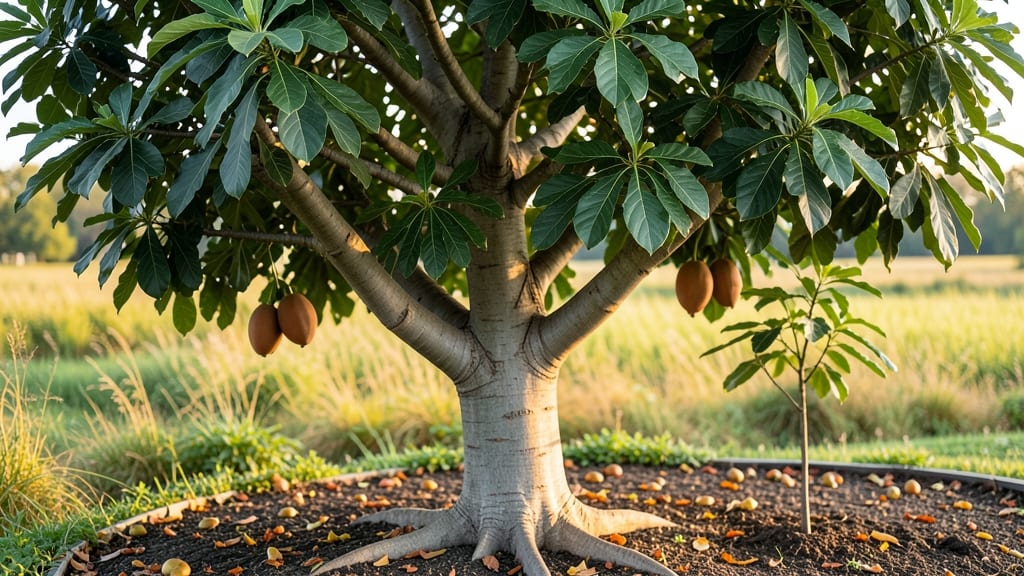
A pawpaw tree can grow between 20 and 40 feet tall—taller than most backyard fruit trees but with a growth habit that makes it surprisingly manageable for home gardeners.
Picture this: a single-trunked giant in your yard, its glossy leaves filtering sunlight just enough to keep the roots cool, while its tropical-tasting fruit ripens in late summer. But here’s the catch—some varieties stay compact, while others reach skyscraper heights.
Without the right planning, you might end up with a tree that outgrows your space faster than you can say "pawpaw smoothie."
Your yard’s size and soil type play a huge role—well-drained soil and partial shade help control its growth, while rich, moist conditions can send it shooting up like a 40-foot giant in no time.
Even pruning can shape its height, but timing matters: cut too late, and you risk stunting fruit production.
In this guide, I’ll break down the exact height ranges by variety, how to keep it in check, and the one pruning trick that lets you enjoy its fruit without sacrificing your backyard. Let’s get started.

Pawpaw tree height ranges by variety: from dwarf to giant
If you're considering adding a pawpaw tree (Asimina triloba) to your landscape, understanding its mature height is crucial for proper spacing and long-term planning. While some varieties stay compact, others can tower over your backyard.
The key difference lies in the variety selection—each grows at its own pace and reaches distinct heights, from 15-foot dwarfs to 40-foot giants. Let’s explore the exact height ranges of the most popular pawpaw varieties so you can choose the perfect fit for your space.
Pawpaw trees are known for their rapid early growth, often reaching 6–10 feet in just 2–3 years. However, their final mature height varies dramatically based on genetics and growing conditions.
Some varieties, like Sunflower, stay manageable for small yards, while others, like Wilson’s Best, demand ample space to thrive. Below, we’ll compare the height ranges, growth rates, and space requirements for six top pawpaw varieties to help you make an informed decision.
For gardeners with limited space, Sunflower and Kenney are excellent choices, typically maturing between 15–22 feet. These varieties grow at a moderate pace, making them ideal for small yards or even large containers.
Their compact stature also makes them easier to prune and maintain, ensuring they stay within your desired height limits. If you’re planting near a patio or driveway, these dwarf-like options will fit without overwhelming your landscape.
The Patterson and SunUp varieties strike a balance, reaching 20–28 feet at maturity. These are perfect for medium-sized yards or properties with some open space. Their faster growth rates (4–6 feet per year) mean they’ll establish quickly, but their height still allows for pruning to control spread.
If you’re aiming for a shade tree with fruit production, these varieties deliver both beauty and bounty without requiring acres of land.
On the taller end of the spectrum, Overleese and Wilson’s Best can reach 30–40 feet, making them better suited for rural settings or large estates. These giants grow aggressively, especially in optimal conditions like rich, moist soil and full sun.
While their height may seem daunting, their sprawling canopies provide excellent shade and wildlife habitat. If you have the space, these varieties offer the most tropical-feel fruit production with minimal effort beyond initial planting.
One critical factor to consider is the growth habit of pawpaw trees. Unlike many fruit trees, pawpaws often develop multiple trunks or suckers, which can spread outward as much as they grow upward. This means even dwarf varieties may require 10–15 feet of clearance on all sides to prevent crowding.
Always account for this horizontal spread when planning your garden layout, especially if you’re planting near fences, walkways, or other structures.
If you’re unsure which variety to choose, consider your long-term goals. Are you prioritizing fruit production, shade, or aesthetic appeal? For example, Sunflower is a top pick for urban
How to control pawpaw tree height: pruning tips for small yards
If your small yard is limiting where you can plant a pawpaw tree (Asimina triloba), don’t worry—pruning is your secret weapon. With the right techniques, you can keep this tropical fruit tree at a manageable 10–15 feet instead of letting it reach its full 20–40-foot height.
The key is timing, technique, and consistency.
Pawpaws respond well to pruning, especially when done correctly. Unlike some fruit trees, they don’t require heavy pruning to produce fruit, but strategic cuts can encourage bushier growth while keeping the canopy compact.
Whether you’re shaping a young sapling or maintaining a mature tree, these steps will help you control its height without sacrificing those delicious pawpaw fruits.
- 1 Prune in late winter or early spring (just before buds swell) to remove dead, diseased, or crossing branches. This is the best time to shape the tree’s structure while it’s dormant.
- 2 Use the "open-center" method for young trees: Remove suckers at the base and thin out inner branches to improve airflow and sunlight penetration. This encourages a bushier, more compact growth habit.
- 3 Limit vertical growth by cutting back upward-growing branches by 1/3 of their length. Focus on the top third of the tree to prevent it from shooting up too tall.
- 4 Avoid summer pruning unless removing damaged branches. Heavy summer cuts can stimulate weak, fast growth that’s prone to disease. If you must prune, do it lightly in early summer to shape new growth.
- 5 Encourage lateral branches by thinning the center and pruning the leader (the main vertical stem) slightly. This redirects energy to side branches, creating a fuller, shorter tree.
For small yards, consider planting a dwarfing rootstock (though none exist for pawpaws yet) or container-growing techniques. If you’re growing in a pot, prune more aggressively in early spring to keep the tree under 8 feet.
Just remember: Never remove more than 25% of the canopy in one year to avoid stressing the tree.
With patience and regular pruning, your pawpaw tree can stay at a manageable height while still producing abundant, flavorful fruit. Start young—pruning is far easier on saplings—and you’ll save yourself headaches (and extra ladder trips) later! 🌳
Pro tip: Disinfect your pruning tools with rubbing alcohol between cuts to prevent bacterial or fungal infections. A healthy tree grows better and recovers faster from pruning. ✂️