
How To
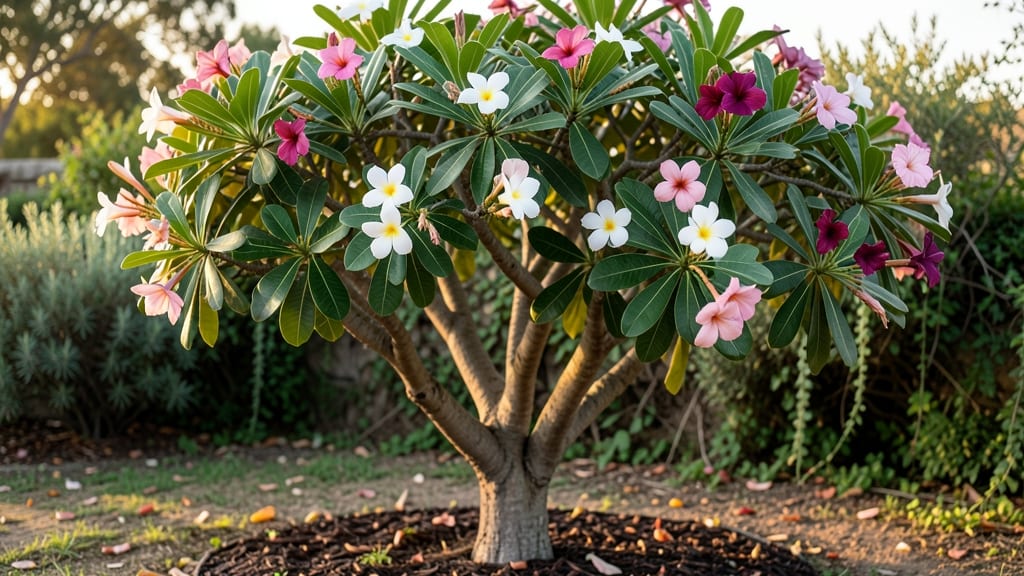
Plumeria tree height by variety: from dwarf to giant sizes
Plumeria trees are famous for their intoxicating fragrance and stunning blooms, but their height can vary dramatically depending on the variety. Some stay compact enough for containers, while others become towering tropical giants.
Understanding these differences helps you choose the perfect plumeria for your space—whether it's a balcony garden or a backyard oasis. Let’s explore the height ranges and growth habits of the most popular varieties.
Most plumeria trees fall into three broad categories: dwarf varieties (under 6 feet), standard varieties (6–15 feet), and giant tropical varieties (15–20+ feet). The key to controlling their height lies in their natural growth habits, pruning techniques, and growing conditions.
For example, Plumeria rubra often reaches 15–20 feet outdoors but stays under 6 feet in containers, while Plumeria obtusa remains more compact at 6–10 feet.
🌺 Visual Comparison: Imagine a dwarf plumeria as tall as a basketball hoop (10 feet) versus a giant plumeria towering like a small tree (20+ feet). The difference isn’t just in height—it’s also in their branching habits and flowering intensity. Some varieties grow upright like trees, while others spread wider with multiple trunks. Below, we’ll compare the most common varieties and their mature sizes.
| Variety | Mature Height (Outdoors) | Mature Height (Potted) | Growth Habit | Best For |
|---|---|---|---|---|
| Plumeria rubra (Single Pink) | 15–20 ft | 6–10 ft | Upright, multi-trunked | Large gardens, tropical landscapes |
| Plumeria obtusa (Frangipani) | 6–10 ft | 3–6 ft | Bushy, multi-stemmed | Containers, small yards |
| Plumeria acutifolia (Red Frangipani) | 10–15 ft | 5–8 ft | Semi-upright, dense foliage | Privacy screens, hedges |
| Plumeria 'Dwarf Snow' (Hybrid) | 3–6 ft | 2–4 ft | Compact, bushy | Patios, balconies, bonsai |
| Plumeria 'Hawaiian Snow' (Hybrid) | 8–12 ft | 4–6 ft | Semi-upright, spreading | Medium yards, containers |
| Plumeria 'Maui Magic' (Hybrid) | 10–15 ft | 5–8 ft | Upright, vigorous | Large containers, tropical gardens |
The Plumeria rubra is one of the tallest varieties, often reaching 20 feet outdoors in tropical climates. Its upright growth habit makes it ideal for large gardens or as a focal point in landscapes. In containers, however, it stays manageable at 6–10 feet, making it perfect for
How to control plumeria tree height: pruning and training tips
Controlling the height of your plumeria tree is easier than you think, even for beginners. With the right pruning techniques and training methods, you can keep your plumeria at your desired height—whether you want a compact bonsai or a manageable shrub.
The key is timing, precision, and understanding how plumeria responds to different care methods.
Plumerias grow naturally tall, often reaching 10–20 feet outdoors, but with strategic pruning, you can limit their height to just 3–6 feet. The best time to prune is in late winter or early spring, right before new growth begins.
This ensures your cuts encourage healthy, controlled regrowth rather than stunted or weak branches.
Step-by-Step Pruning Guide for Height Control
-
Step 1: Choose the Right Time
Prune in late winter (Jan-Feb) for spring growth or immediately after blooming to maintain shape. -
Step 2: Use Sharp, Clean Tools
Sterilize pruners with rubbing alcohol to prevent disease. Use bypass pruners for clean cuts. -
Step 3: Identify Target Branches
Look for overly long branches or those growing toward the center. Cut back to a leaf node or bud. -
Step 4: Make the Cut at a 45-Degree Angle
Cut 1/4 inch above a bud to encourage outward growth. Avoid leaving stubs. -
Step 5: Thin Out Dense Areas
Remove 20–30% of the foliage to improve airflow and light penetration. -
Step 6: Apply Wound Sealant (Optional)
For large cuts, use pruning paste to prevent sap loss and infection. -
Step 7: Fertilize After Pruning
Use a balanced fertilizer (7-9-5) to support new growth. Water deeply afterward.
For even smaller plumerias, try root restriction by repotting into a smaller container every 1–2 years. This forces the roots to compete for space, slowing above-ground growth. Pair this with regular pruning to keep your plumeria at a manageable height, like a 3-foot bonsai or a 6-foot shrub.
If you’re aiming for a bonsai-style plumeria, combine pruning with wire training to shape the branches. Use copper or aluminum wire to gently bend branches into desired positions, removing the wire once the wood hardens. This method takes patience but yields stunning, miniature trees that bloom beautifully.
Remember, over-pruning can stress your plumeria, reducing blooms. Aim to remove no more than 30% of the foliage in one session. With consistent care, your plumeria will thrive at your chosen height, filling your garden with its intoxicating fragrance and vibrant blooms.