
Pruning
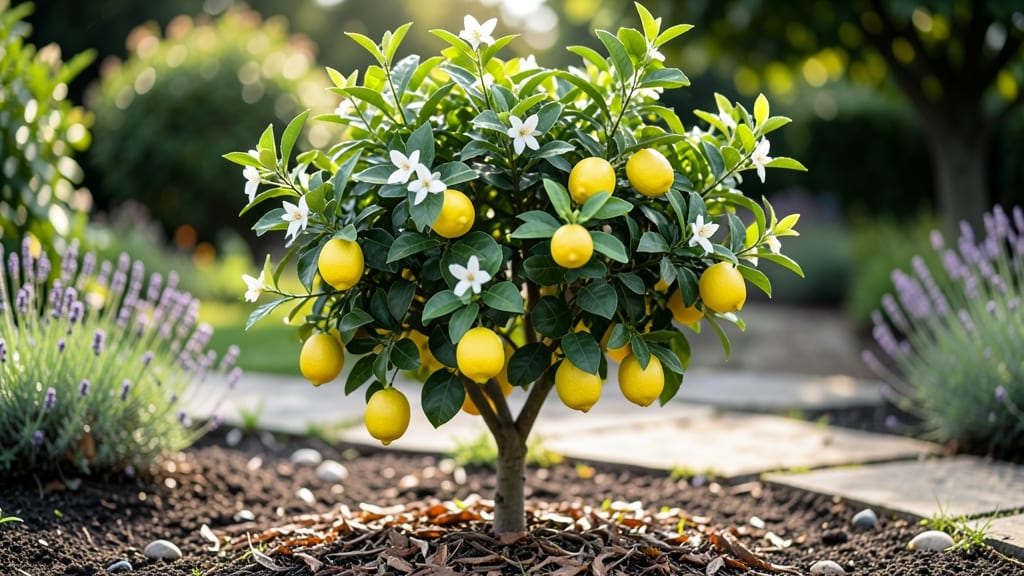
Growing a lemon tree in North Carolina means selecting frost-resistant varieties like Meyer or Eureka, using containers for flexibility, and shielding roots during winter in zones 7-9. Well-draining, acidic soil and consistent moisture help these citrus trees thrive despite NC's cooler winters.
North Carolina's climate presents unique challenges for citrus growers, but with the right approach, you can successfully cultivate lemon trees year-round. 🌱 The key lies in variety selection—Meyer lemons, for example, tolerate temperatures down to 20°F when properly protected, while Eureka varieties produce more fruit but need extra winter care.
Container growing isn't just about mobility; it also allows you to move trees to sheltered spots during cold snaps or bring them indoors when needed.
What's interesting is how these trees adapt: while they may not produce as heavily in cooler zones, they'll still reward you with fragrant blooms and occasional fruit if given proper attention to soil acidity and sunlight exposure.
For best results, aim for 6-8 hours of direct sunlight daily and maintain soil pH between 6.0-7.0. In-ground planting works well in coastal areas where winters are milder, but inland growers should prioritize containers with drainage holes.
The secret weapon here is mulching—adding 3-4 inches of organic mulch around the base in late fall creates an insulating barrier that protects roots from temperature fluctuations.
💡 In This Article
- Best Lemon Tree Varieties for North Carolina Climates
- Year-Round Care Tips for North Carolina Lemon Trees
Best lemon tree varieties for north Carolina climates
North Carolina's climate—ranging from zone 7a in the Piedmont to zone 9a along the coast—demands lemon varieties that balance cold tolerance with fruit production.
Meyer lemons (Citrus × meyeri) stand out as the most adaptable, surviving brief dips to 20°F when protected, while still producing sweet, 2-3 inch fruits with a thinner skin than traditional lemons.
Their hybrid nature (cross between mandarin and lemon) gives them a subtly floral aroma and a taste closer to a cross between lemon and orange—something you won't find in standard Eureka varieties.
The classic Eureka lemon (Citrus limon) is the heavy-hitter for fruit production, yielding 10-20 lemons per tree annually when properly cared for, but its cold tolerance tops out at 25°F.
This makes it ideal for coastal NC where winters rarely drop below freezing, but inland growers must use containers or row covers to protect them. Lisbon lemons, another popular choice, produce slightly larger fruits but share Eureka's cold sensitivity.
What sets Meyer apart is its ability to fruit even in zone 7b with minimal protection, making it the best all-around pick for most of NC.
For coastal growers in zone 8-9, Eureka or Lisbon varieties excel due to their higher acidity (ideal for baking) and larger fruit size, but they require well-draining soil with 60-70% sand content to prevent root rot—a common issue in NC's humid summers.
Inland gardeners should focus on Meyer lemons planted in 15-20 gallon containers filled with a 60/40 mix of potting soil and perlite, which mimics the loose, airy soil of their native China. The container's mobility lets you move trees to sunniest spots in summer and sheltered areas in winter.
Disease resistance varies dramatically between types. Meyer lemons naturally resist citrus canker better than Eureka varieties, which is critical in NC's humid climate where fungal spores thrive. 🌿 The trade-off? Meyer's fruit is smaller and less acidic, while Eureka's thicker skin makes it easier to store and ship.
If you're growing for culinary use, Meyer's sweeter profile shines in desserts, while Eureka's tartness works better for savory dishes or preserving. For ornamental value, both produce fragrant white blooms, but Meyer's more compact size (6-10 feet tall) makes it perfect for small yards or patio containers.
Location matters just as much as variety. Coastal NC's milder winters allow in-ground planting, where trees can establish deeper root systems, while inland areas benefit from container growing. The key difference?
In-ground trees need 3-4 inches of mulch in winter, while container trees can be wrapped in burlap sacks or moved to garages during freezes. This flexibility is why 80% of successful NC lemon growers use containers—it's the secret to thriving citrus in unpredictable climates.
One surprising advantage of Meyer lemons in NC is their ability to produce fruit even in partial shade (though yields drop by 30-40%). This makes them ideal for urban settings where full sun isn't always available.
The trade-off is slower growth—Meyer trees take 3-5 years to bear fruit compared to Eureka's 2 years—but the hardiness more than makes up for it in NC's cooler zones. For maximum productivity, pair any variety with citrus-specific fertilizer high in nitrogen during spring growth and potassium for winter hardening.