
How To
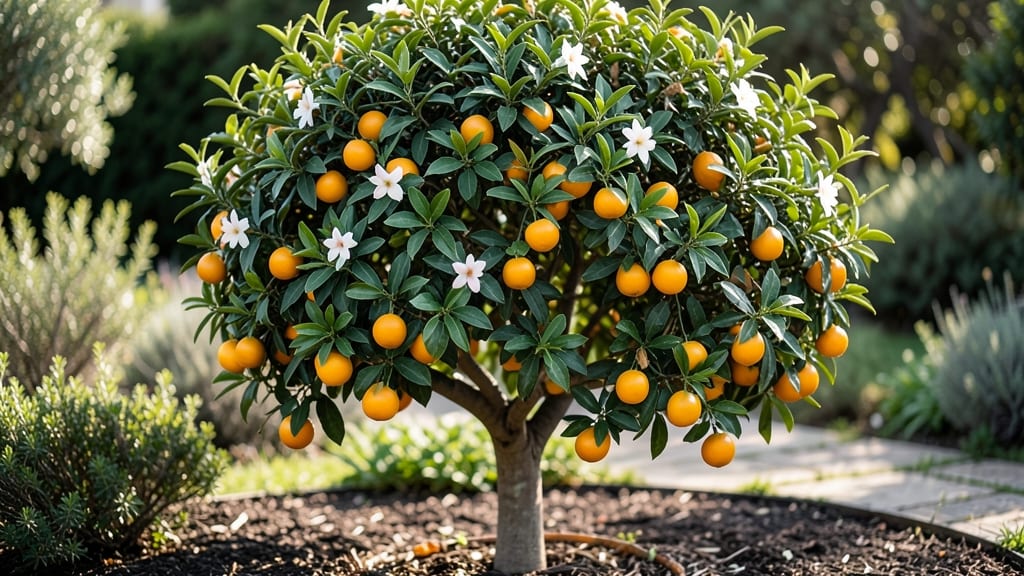
A tangerine tree grows how tall does a tangerine tree grow anywhere from 6 feet to towering 25 feet, depending on the variety and how you care for it.
Wondering if your backyard can accommodate one? The height of these citrus beauties varies drastically—from compact dwarf varieties that fit on a patio to standard trees that need room to stretch toward the sky.
Whether you’re dreaming of fresh fruit or just love their glossy leaves, the right choice depends on your space and climate.
Standard varieties like the Meyer lemon-tangerine can reach 15–25 feet, while dwarf types stay between 3–8 feet, making them perfect for containers. Pruning plays a big role too—regular trimming keeps them manageable, but skip it if you want that classic, sprawling look.
In this guide, I’ll break down the differences between dwarf and standard trees, share pruning tips to control height, and help you pick the best variety for your garden—no matter how big (or small) your space is.

Standard tangerine tree height: growth expectations by variety
If you're dreaming of a backyard tangerine tree but worried about space, the good news is that standard tangerine varieties offer a mix of heights—from 12-foot giants to 25-foot citrus towers.
The variety you choose directly impacts how much room you'll need, and understanding these growth expectations helps you plan your garden layout or container setup. Let's break down the most popular types and what to expect over time.
Most tangerine trees take 5–10 years to reach their mature height, with rapid growth occurring in their first 3–5 years. For example, a Sunburst tangerine might hit 10 feet tall by year 5 but continue climbing to 20–25 feet in ideal conditions.
Meanwhile, a Meyer lemon-tangerine hybrid grows more slowly, often topping out around 12–15 feet without aggressive pruning.
Your climate zone plays a huge role in height. Trees in USDA Zones 9–11 (like California or Florida) thrive year-round and grow faster due to longer growing seasons. In cooler zones (like Zone 8 or below), growth slows, and trees may stay shorter unless you provide winter protection.
Even in these areas, a well-cared-for tree can still reach 15+ feet over a decade.
Pruning is your best tool for controlling height. Regular structural pruning in late winter (before new growth) can keep a tree 30–50% shorter than its natural height.
For instance, if you prune a Dancy tangerine (which naturally grows to 20 feet) aggressively, you might limit it to 12–15 feet while still enjoying abundant fruit.
Here’s a quick comparison of how popular tangerine varieties stack up in height and growth speed:
The Sunburst tangerine is the tallest standard variety, often reaching 20–25 feet in ideal conditions—perfect for large backyards or orchards but a poor fit for small spaces.
If you love its sweet, seedless fruit, consider planting it against a fence or wall to save space while still enjoying its height. On the other hand, the Clementine is a more manageable 10–14 feet, making it ideal for suburban yards where space is limited.
Pruning isn’t just about height control—it also improves air circulation and fruit production. For example, if you prune a Dancy tangerine to 15 feet, you’ll likely see 20–30% more fruit per season because the tree focuses energy on fewer, healthier branches.
Just avoid over-pruning, which can stress the tree and reduce yields. Aim to remove no more than 25% of the canopy in a single session.
If you're in a cooler climate (Zone 8 or below), choose varieties like Meyer lemon-tangerine or Clementine, which tolerate brief cold snaps better than Dancy or Sunburst.
In these zones, mulch heavily around the base in winter and consider wrapping the trunk with burlap or frost cloth to protect it from freezing temperatures. Even with these precautions, expect slower growth compared to warmer climates.
For urban gardeners or those with limited space, standard tangerine trees might seem impractical—but don’t rule them out! With strategic pruning and regular harvesting, you can keep even a 20-foot Sunburst manageable in a 12-foot space over time.
Start pruning young trees (under 5 feet tall) to train them into a central leader shape with well-spaced branches.
Ready to grow? Pick a variety that fits your space and climate, then give it the full sun, well-draining soil, and regular care it needs. With patience, you’ll be harvesting homegrown tangerines in just a
Dwarf tangerine trees: space-saving options for small gardens
If your garden space is limited but you dream of fresh tangerines, dwarf varieties are your best bet. These compact citrus trees thrive in containers, urban patios, or small backyards while still producing flavorful fruit.
With mature heights ranging from 3 to 8 feet, they’re perfect for balconies, terraces, or even sunny windowsills. The key to their manageable size lies in their rootstock—hybrid citrus rootstocks like Citrange or trifoliate orange that naturally restrict growth while boosting cold hardiness.
Choosing the right dwarf variety depends on your priorities: fruit size, cold tolerance, or ornamental value. For example, the 'Calamondin' stays under 6 feet and produces tiny, tart fruits perfect for garnishes, while the 'Improved Meyer' can reach 8 feet but offers sweeter, larger tangerines.
Each variety trades off slightly in fruit yield or hardiness, so weigh your needs before planting. Container growing is ideal for these trees, allowing you to move them indoors during frost or adjust their location for optimal sunlight.
One trade-off of dwarf tangerine trees is their slightly reduced fruit yield compared to standard varieties. However, the convenience of harvesting from a 5-foot tree on your patio outweighs this for many gardeners.
To maximize production, choose a large container (at least 15-gallon) and use a high-quality citrus potting mix with 50% perlite for drainage. Overcrowded roots lead to stunted growth, so avoid repotting too frequently—every 2–3 years is ideal unless you notice root-bound signs like circling roots.
Maintenance for dwarf tangerine trees is minimal but critical. Prune lightly in late winter to shape the tree and remove dead wood, but avoid heavy pruning, which can stress the plant. These trees thrive in USDA Zones 8–10 but can survive brief dips to 15°F with protection.
In colder climates, move potted trees indoors near a south-facing window or use frost cloth. Regular feeding with a balanced citrus fertilizer (6-6-6 NPK) every 6–8 weeks during the growing season ensures sweet, abundant fruit.
For urban gardeners, dwarf tangerine trees offer a year-round interest: glossy foliage, fragrant white blossoms in spring, and vibrant fruit in fall. The 'Flying Dragon', for instance, boasts striking red foliage that adds color to any space.
Pair your tree with complementary plants like lavender or rosemary to create a Mediterranean-inspired micro-garden. With the right variety and care, your small space can become a productive citrus oasis without sacrificing aesthetics.
Ready to grow? Start with a 1–2 year-old dwarf tree from a reputable nursery, and within 3–5 years, you’ll enjoy homegrown tangerines—no orchard required! 🌱