
How To
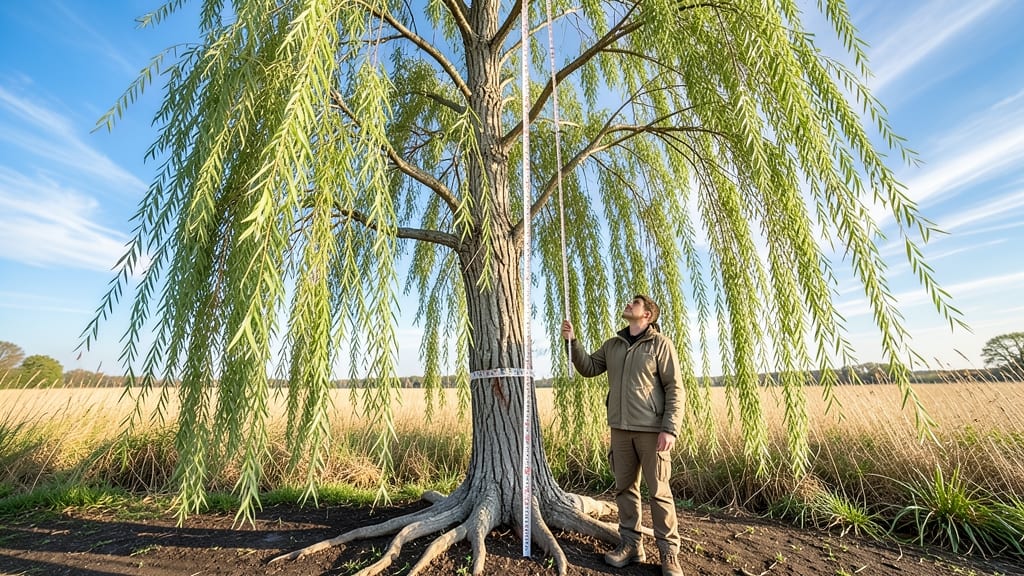
How tall does a willow tree grow? The answer: between 20 and 50 feet—making them one of the fastest-growing trees on the planet 🌳 — but their speed comes with serious space requirements.
Picture this: You plant a small sapling in your backyard, dreaming of shade in just a few years. By year three, it’s already 15 feet tall, and within a decade, it could tower over your house. That rapid growth is what makes willows so popular—and so tricky to place.
Not all willows reach the same heights, though. A weeping willow might max out at 30 feet, while a white willow can stretch toward 50 feet if given the right conditions.
Soil moisture, pruning habits, and even your local climate play a huge role in how tall yours will grow.
In this guide, I’ll break down the fastest-growing varieties, how to choose the right one for your yard, and the simple pruning tricks to keep them in check—so you get the beauty without the overgrowth headaches.

Willow tree height by variety: fastest-growing species and their maximum heights
Willow trees are famous for their rapid growth rates, often shooting up 5-10 feet per year under ideal conditions. But not all willows reach the same heights—some stay compact while others become towering giants.
If you're planning to plant one, understanding these height differences by variety will help you choose the perfect fit for your space, whether you have a small urban yard or a rural landscape.
Fast-growing willows like the Weeping Willow can top 50 feet in just a few decades, while slower-growing types like Pussy Willow remain under 10 feet. The key is matching your yard dimensions with the tree's mature size and growth habits.
Let’s break down the tallest willow varieties and their space requirements to help you make an informed decision.
| Variety | Average Mature Height | Annual Growth Rate | Best For |
|---|---|---|---|
| Weeping Willow (Salix babylonica) | 30–50 ft | 5–10 ft/year | Large yards, ponds, privacy screens |
| White Willow (Salix alba) | 40–60 ft | 4–8 ft/year | Rural properties, windbreaks |
| Corkscrew Willow (Salix matsudana 'Tortuosa') | 15–25 ft | 3–5 ft/year | Ornamental gardens, small landscapes |
| Pussy Willow (Salix discolor) | 6–10 ft | 1–3 ft/year | Small yards, container planting |
| Golden Willow (Salix alba 'Vitellina') | 25–40 ft | 4–6 ft/year | Medium yards, accent trees |
The Weeping Willow is the most popular choice for fast growth and dramatic height, often reaching 50 feet in 10–15 years. Its cascading branches make it ideal for ponds or water features, but its aggressive root system means it needs plenty of space.
If you're working with a smaller property, the Corkscrew Willow offers a compact yet striking alternative with its twisted branches.
For those who want a tall but slower-growing option, the White Willow is a powerhouse, often exceeding 60 feet in ideal conditions. It’s perfect for rural landscapes where height isn’t a concern, but its wide canopy means it needs room to spread.
On the other end of the spectrum, Pussy Willow is the smallest variety, staying under 10 feet and growing just 1–3 feet per year, making it ideal for containers or urban gardens.
If you're torn between varieties, consider your long-term goals. A Weeping Willow might look stunning near a lake, but its roots can clog drains or damage foundations if planted too close to structures.
Meanwhile, a Golden Willow offers a balanced height of 25–40 feet with vibrant foliage, making it a great medium-sized yard option. Always measure your space and research local planting regulations before committing.
One common mistake is assuming all willows grow at the same rate. While they’re all fast-growing, some varieties like the White Willow can outpace others by 2–3 feet per year under the same conditions.
To encourage optimal growth, plant willows in moist, well-draining soil with full sun exposure. Regular pruning in late winter will help maintain shape and control height if needed.
For urban gardeners, dwarf varieties like Pussy Willow are a lifesaver, but even these can spread widely. If you're planting near a fence or sidewalk, leave at least 10–15 feet of clearance to avoid root conflicts.
And remember: willows are notoriously invasive in some regions, so check local invasive species lists before planting.
Whether you're dreaming of a towering Weeping Willow or a compact Pussy Willow, understanding these height variations will help you choose the perfect tree for your vision. With the right variety and proper spacing, you can enjoy a stunning willow tree that thrives for decades without crowding your space.
Space requirements for willow trees: how to choose based on yard size
Willow trees are stunning additions to any landscape, but their aggressive root systems and rapid vertical growth demand careful planning. Even a small weeping willow can reach 20 feet tall in just 5 years, while larger varieties like the black willow can tower over 50 feet.
Before planting, measure your yard—not just for the tree’s height, but for its horizontal spread, which can extend 2-3 times wider than the canopy.
Urban gardeners often underestimate willow trees’ space demands. A weeping willow planted near a sidewalk or driveway can quickly block sunlight and damage foundations with its invasive roots.
Rural properties, on the other hand, can accommodate larger varieties like the white willow or corkscrew willow, which thrive in open spaces near ponds or streams. Always check local regulations—some cities restrict willow planting due to their potential for overgrowth.
- 🌳 Ignoring root spread: Planting too close to structures or water sources risks damage.
- 🌱 Choosing without measuring: Always verify mature height and spread before selecting a variety.
- 🌿 Skipping soil testing: Willow trees prefer moist, well-draining soil—poor soil leads to stunted growth or invasive roots.
- ✂️ Delaying pruning: Regular pruning is critical to control height and shape, especially in small yards.
- 📏 Overlooking local laws: Some areas ban willow trees due to their rapid growth and invasive tendencies.
For small yards (under 1 acre), opt for dwarf varieties like the dwarf pussy willow, which maxes out at 10 feet tall. These are ideal for container gardening or as privacy hedges along fences.
If you’re planting near a home or patio, maintain a minimum 30-foot distance from foundations to prevent root intrusion. In larger yards, weeping willows or corkscrew willows can be stunning focal points, but allocate at least 50 feet of open space for their full potential.
Mitigating overgrowth in tight spaces starts with proper planting techniques. Use root barriers (buried plastic or metal sheets) to contain aggressive roots, and prune new shoots regularly to redirect energy.
If your yard is urban or suburban, consider container-grown willows in large pots—just be prepared for annual repotting as the tree grows. Always water deeply after planting to encourage strong root development, but avoid waterlogging, which can suffocate roots.
Willow trees reward patience with year-round interest, from spring catkins to fall foliage. However, their space requirements mean they’re not a one-size-fits-all solution. By matching your yard size to the right variety and planning for root control, you’ll enjoy their beauty without the headaches.
Start small with a potted willow if you’re unsure, or consult a local arborist for tailored advice.
Remember, willow trees are nature’s fast growers, but their success depends on your preparation. Measure twice, plant once—and always leave room for their ambitious roots to stretch out safely. With the right variety and spacing, you’ll have a low-maintenance giant that outshines smaller ornamentals for decades. 🌳