
How To
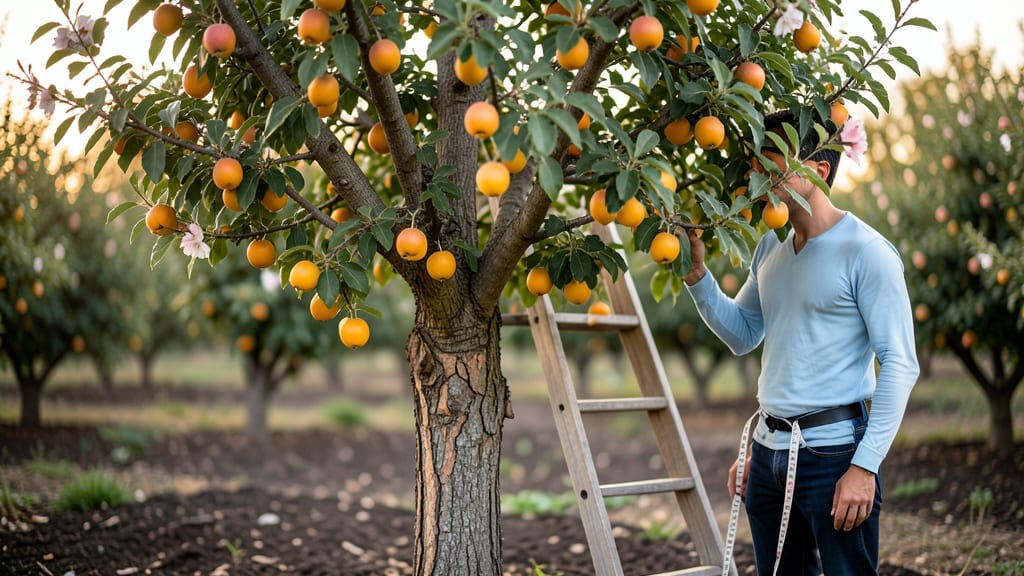
An apricot tree can grow anywhere from 15 to 25 feet tall at maturity, depending on the variety and growing conditions—so knowing the right size for your space is the first step to success.
Picture this: you’ve just planted your dream fruit tree, only to realize in five years that it’s now taller than your roof and blocking the neighbor’s view. That’s why choosing between a standard apricot tree and a dwarf variety makes all the difference—especially if you’re working with limited backyard space.
Standard apricot trees reach their full height over 10 to 15 years, while dwarf varieties stay under 10 feet and mature faster. The key? Understanding how pruning, soil, and climate play into the height equation so you can shape your tree to fit your garden—not the other way around.
In this guide, I’ll break down the height ranges, share tips for controlling growth, and help you pick the perfect apricot tree for your space—whether you’ve got acres or just a sunny corner.

Standard apricot tree height: how tall they typically grow
If you're dreaming of growing apricot trees in your backyard, one of your first questions is likely: how tall do apricot trees grow? Standard apricot trees typically reach a mature height of 15 to 25 feet, though some varieties can even exceed 30 feet under ideal conditions.
This height makes them a stunning centerpiece for larger gardens but requires careful planning for smaller spaces. Understanding their growth patterns helps you choose the right variety and position for your landscape.
Apricot trees grow relatively quickly in their early years, with 1-2 feet of growth per year during the first few seasons. By year three, they can reach 6-10 feet tall, and their rapid ascent continues until they hit their mature height.
The exact height depends on several factors, including variety selection, pruning practices, and environmental conditions. For example, a tree grown in a warm, sunny climate with regular care will often outpace one in a cooler, shaded location.
The canopy spread of a standard apricot tree is nearly as impressive as its height, typically ranging from 15 to 25 feet wide. This wide spread means you’ll need ample space—at least 20 feet in diameter—to accommodate both the tree and its roots.
Planting too close to fences, buildings, or other trees can lead to competition for nutrients and sunlight, stunting growth or reducing fruit production.
Here’s a quick reference for how apricot tree height evolves over time:
Your local climate zone plays a significant role in determining how tall your apricot tree will grow. Apricots thrive in USDA Zones 5–9, where they receive plenty of sunlight and warmth.
In colder zones (like Zone 5), trees may grow slightly slower but can still reach their full height with proper care. Conversely, in warmer zones (like Zone 9), apricot trees often grow faster and taller due to extended growing seasons and fewer frost-related setbacks.
Soil quality also impacts height and overall health. Apricot trees prefer well-draining, slightly acidic soil with a pH between 6.0 and 7.0. Poor soil drainage or compacted soil can stunt root growth, leading to a smaller, weaker tree.
Amending your soil with compost or organic matter before planting ensures your tree has the nutrients it needs to reach its full potential. If your soil is heavy clay, consider planting in a raised bed or mound to improve drainage.
Pruning is another critical factor in controlling height. Regular pruning not only shapes your tree but also encourages stronger branching and better fruit production. If left unpruned, apricot trees can become top-heavy and prone to breaking under the weight of fruit.
Prune in late winter or early spring before new growth begins, removing dead, diseased, or crossing branches first. For height control, focus on reducing vertical growth by cutting back suckers and water sprouts that grow upward.
If you're concerned about the height of a standard apricot tree, consider planting it near a south-facing fence or wall. This provides natural support and can help manage its spread while maximizing sunlight exposure.
Alternatively, you can train the tree to grow against a trellis or arbor, which not only controls height but also creates a beautiful focal point in your garden. Just be sure to provide enough space for the tree’s roots to spread freely.
For those with limited space, dwarf or semi-dwarf varieties are excellent alternatives. These trees mature at 8–18 feet tall and are perfect for smaller yards or even large containers.
However, if you’re set on a standard apricot tree, plan for its mature size and enjoy the reward of a bountiful harvest from your towering fruit-bearing beauty.
Dwarf apricot tree varieties: compact options for small gardens
If you dream of growing apricots but lack space for a 20-foot tree, dwarf varieties are your perfect solution. These compact apricot trees reach just 6-10 feet at maturity, making them ideal for urban yards, patios, or even large containers.
With the right variety, you can enjoy homegrown fruit without sacrificing your garden’s layout.
Dwarf apricot trees aren’t just smaller—they’re designed for efficient fruit production in tight spaces. Their spreading or upright growth habits determine whether they’re better suited for containers, espalier training, or small orchards. Let’s explore the top dwarf apricot cultivars and how their sizes impact your gardening plans.
For container gardening, choose varieties like 'Gold Bar' or 'Goldcot', which thrive in 15-20 gallon pots with proper drainage. Their spreading canopies create a stunning focal point while keeping fruit within easy reach. Just ensure your container is at least 18 inches deep to accommodate root growth.
If you’re working with a small yard or balcony, 'Tilton' or 'Patterson' are excellent choices. Their upright or semi-spreading forms fit neatly into tight spaces while still producing abundant fruit.
Place them near a south-facing wall to maximize sunlight exposure, which is critical for fruit ripening and tree health.
Remember, even dwarf varieties need regular pruning to maintain their size and shape. Remove suckers and crossing branches annually to encourage airflow and sunlight penetration. With proper care, your compact apricot tree will reward you with sweet, juicy fruit for years to come—without dominating your garden.
🌱