How To
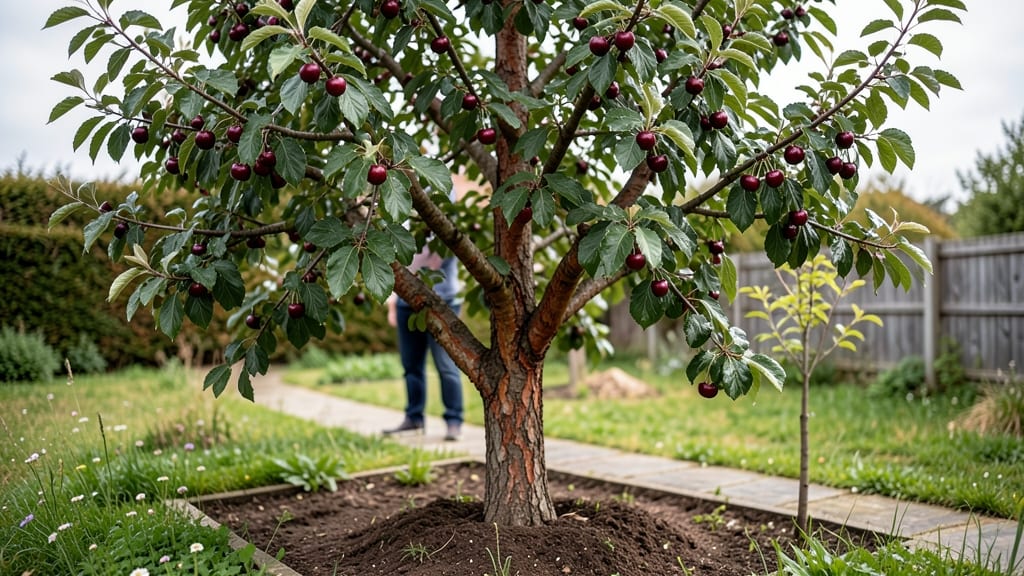
A cherry tree’s mature height can range from a manageable 8 feet to a towering 40 feet, and how tall does a cherry tree grow depends entirely on the variety you choose.
If you’re picturing a 🍒 tree that fits neatly in your backyard but fear it might outgrow your space, you’re not alone. Some varieties stay compact enough for small yards, while others need acres to stretch their branches.
The right choice means the difference between a stunning centerpiece and a landscaping headache.
Below, I break down the exact height ranges for dwarf, semi-dwarf, and standard cherry trees, plus the factors that influence growth—so you can pick the perfect fit for your garden.
You’ll also discover how pruning, soil, and sunlight affect height, and whether a cherry tree is even practical for your yard size. Let’s get started.

Cherry tree height ranges by variety: dwarf to giant sizes explained
Selecting the right cherry tree for your space starts with understanding their mature height ranges. From dwarf varieties that fit container gardens to giant ornamental types that dominate landscapes, the options are vast.
Whether you're growing sweet cherries for your kitchen or planting a showstopping ornamental cherry, knowing these exact measurements will help you avoid overcrowding and ensure long-term success.
Cherry trees fall into four main height categories: dwarf (8-15 ft), semi-dwarf (15-25 ft), standard (25-40 ft), and giant ornamental types (30-50 ft). Each category offers unique benefits for different garden sizes and aesthetic goals.
Let's explore the most popular varieties in each group and their growth habits to help you make an informed decision.
🌱 Did You Know? Some cherry trees can grow up to 50 feet tall in ideal conditions, while others stay under 10 feet with proper dwarfing techniques. The key difference often comes down to rootstock selection and pruning practices.
For small-space gardeners, dwarf varieties like 'Stella' or 'Lapins' sweet cherries are perfect choices. These trees typically reach 8-12 feet tall and can even thrive in large containers with proper care. Their compact size makes them ideal for patios, urban backyards, or even balcony gardens in warmer climates.
If you have a medium-sized yard, semi-dwarf varieties offer the best balance. Trees like 'Montmorency' tart cherries or 'Black Tartarian' grow to 15-25 feet and produce abundant fruit while remaining manageable. These varieties often require less aggressive pruning compared to their standard counterparts.
For those with large properties, standard cherry trees like 'Bing' or 'Rainier' sweet cherries can reach 30-40 feet tall. These giants require careful planning for both their height and spread, which can reach 20-30 feet wide.
They're best suited for rural settings where they can develop their full potential without crowding other plants.
Ornamental cherry trees often outshine fruit-bearing varieties in terms of visual impact. The 'Kwanzan' cherry, for example, can grow to 50 feet tall with its spectacular pink spring blooms and vibrant fall foliage. While not fruit-bearing, these trees create stunning focal points in large landscapes and parks.
Remember that growing conditions significantly impact a cherry tree's final height. Factors like soil quality, water availability, and sunlight exposure can all influence growth rates. In optimal conditions,
How to choose the right cherry tree height for your space
Choosing the perfect cherry tree height depends on your yard size and intended use. A 25-foot standard cherry tree might look stunning in a spacious rural garden, but it could easily overwhelm a suburban backyard.
For smaller spaces, dwarf varieties reaching just 8-15 feet offer the same beauty and fruit production without the space requirements.
Your decision should also consider sunlight exposure—most cherry trees thrive in full sun (6+ hours daily). If your yard has partial shade, opt for ornamental varieties like 'Stella Compact' which tolerate 4-6 hours of sun better than fruit-bearing types. Always check your tree's specific light needs before planting.
🌱 Cherry Tree Height Options: Pros & Cons
Dwarf Varieties (8-15 ft)
- Pros: Perfect for small yards, patios, containers
- Pros: Easier to maintain with pruning
- Cons: Lower fruit yield than standard trees
- Cons: Requires more frequent pruning
Semi-Dwarf (15-25 ft)
- Pros: Balanced size for suburban yards
- Pros: Better fruit production than dwarfs
- Cons: Needs regular pruning for shape
- Cons: May outgrow small spaces over time
Standard (25-40 ft)
- Pros: Maximum fruit production
- Pros: Stunning ornamental value
- Cons: Requires large planting spaces
- Cons: Needs professional pruning
For fruit production, standard varieties like 'Bing' or 'Rainier' deliver the best yields but need 20-30 feet of clearance from structures and other trees.
If you're growing cherries for home use, consider planting two compatible varieties for cross-pollination—just ensure they have enough space between them (15-20 feet apart).
Spacing is critical—plant cherry trees 15-25 feet apart depending on their mature height. This prevents root competition and ensures proper airflow, reducing disease risk. For ornamental varieties, you can plant them closer (10-15 feet apart) if you prioritize visual impact over fruit production.
Pruning plays a key role in managing height. Young trees benefit from structural pruning in their first few years to establish a strong framework. For height control, prune in late winter or early spring before new growth begins.
Always use sterilized tools to prevent disease spread, and remove no more than 25% of the canopy in any single pruning session.
If you're unsure about your space, start with a dwarf or semi-dwarf variety—they're forgiving and allow you to experiment with placement. For example, 'Stella Compact' grows just 10-12 feet tall and produces beautiful pink flowers, making it ideal for urban gardens.
Remember, even standard trees can be pruned to stay slightly smaller, though this may reduce fruit yield over time.