
How To
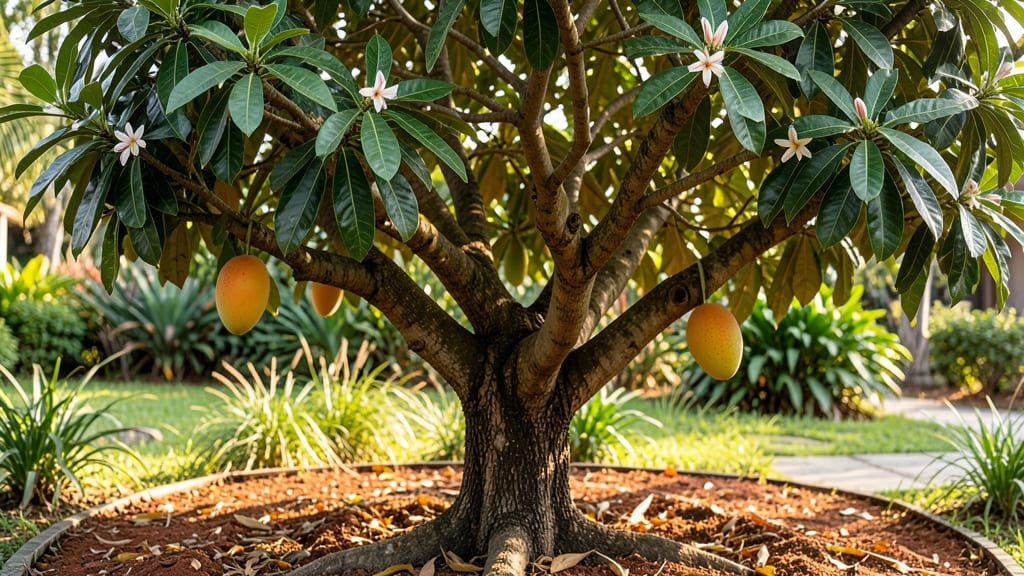
A mango tree can grow up to 60 feet tall—taller than a five-story building—but the right variety might fit your backyard perfectly.
Dreaming of a tropical backyard oasis but worried a mango tree will outgrow your space? The right variety can thrive in small gardens—if you know the facts.
Standard varieties like 'Keitt' or 'Haden' reach towering heights, but dwarf types like 'Cogshall' or 'Ice Cream' stay under 20 feet, making them ideal for urban growers.
In this guide, I’ll break down height ranges by variety, pruning tips to control growth, and how to pick the fastest-growing compact options for your climate.

Mature height of mango trees by variety: space requirements explained
A mango tree’s mature height varies dramatically by variety, from 15 feet for dwarf types to over 60 feet for standard trees. This range affects everything from yard planning to container gardening feasibility.
Understanding these dimensions helps you choose the right tree for your space while ensuring proper spacing between trees for airflow and sunlight.
Most standard mango varieties grow 40-60 feet tall with 20-30 foot canopies, requiring at least 40 feet of space between trees. Dwarf varieties, however, stay under 25 feet and can thrive in containers or small yards with 10-15 feet of clearance.
Below, I’ve compiled a detailed breakdown of 12 popular varieties, including their mature heights, canopy spreads, and ideal spacing requirements.
🌱 Key Considerations: Always account for canopy width (often 2-3x the tree height) and root spread (up to half the canopy width) when planning your garden layout. For example, a 20-foot-tall tree may need 30-40 feet of total space including its branches and roots.
| Variety | Mature Height (ft) | Canopy Width (ft) | Trunk Spread (ft) | Ideal Spacing (ft) | Notes |
|---|---|---|---|---|---|
| Cogshall | 15-18 | 12-15 | 8-10 | 10-12 | Dwarf, self-pollinating, cold-hardy |
| Ice Cream | 15-20 | 12-16 | 8-10 | 10-12 | Sweet, creamy fruit, container-friendly |
| Julie | 18-22 | 15-18 | 10-12 | 12-15 | Cold-tolerant, early ripening |
| Kensington Pride | 20-25 | 16-20 | 10-12 | 15-18 | Fast-growing, large fruit |
| Keitt Dwarf | 22-25 | 18-22 | 12-15 | 18-20 | Disease-resistant, commercial favorite |
| Haden | 40-50 | 30-40 | 20-25 | 40-50 | Standard variety, reliable yield |
Keitt
Fastest-growing mango varieties that stay compact: ideal for small gardensIf you love mangoes but lack space for a towering tropical tree, dwarf varieties are your best bet. These compact mango trees mature in just 3-5 years while delivering sweet fruit—perfect for patios, balconies, or small backyards. The key is selecting varieties bred for controlled growth without sacrificing flavor or yield. Standard mango trees can soar to 60+ feet tall, but these fast-growing dwarf hybrids stay between 15-25 feet at maturity. Many even thrive in containers with proper care. Let’s explore the top 5 varieties that grow quickly while keeping their footprint small—ideal for urban gardeners and small-space dreamers. My top pick for fastest growth is 'Kensington Pride', which grows 3 feet per year while staying under 25 feet tall. This variety also handles cooler climates down to 20°F, making it versatile for USDA Zones 9-11. Its large, sweet fruit ripens early, giving you a head start on harvest season. For smallest space needs, 'Ice Cream' is a winner. It matures at just 15-20 feet tall and thrives in containers as large as 15-gallon pots. The creamy, sweet fruit earns its name—perfect for balcony gardens or patios. Just ensure it gets full sun exposure to prevent stunted growth. If you’re in a cooler microclimate, 'Julie' is a standout. It tolerates temperatures down to 23°F and produces abundant fruit in just 4-5 years. This variety also has a spreading habit, so prune regularly to maintain a compact shape. Pair it with a dwarf citrus tree for a tropical duo in small spaces. Don’t overlook 'Cogshall' for urban growers. Though it grows slightly slower (1.5-2 feet/year), its disease resistance and smaller size (15-18 ft) make it ideal for tight spaces. It’s also one of the few dwarf varieties that self-pollinates, ensuring consistent fruit production without needing a second tree. Pro tip: To maximize fruit yield in compact varieties, prune strategically in late winter. Remove suckers at the base and crossing branches to improve airflow and sunlight penetration. This keeps your tree healthy and productive while controlling its height naturally. |