
Propagation
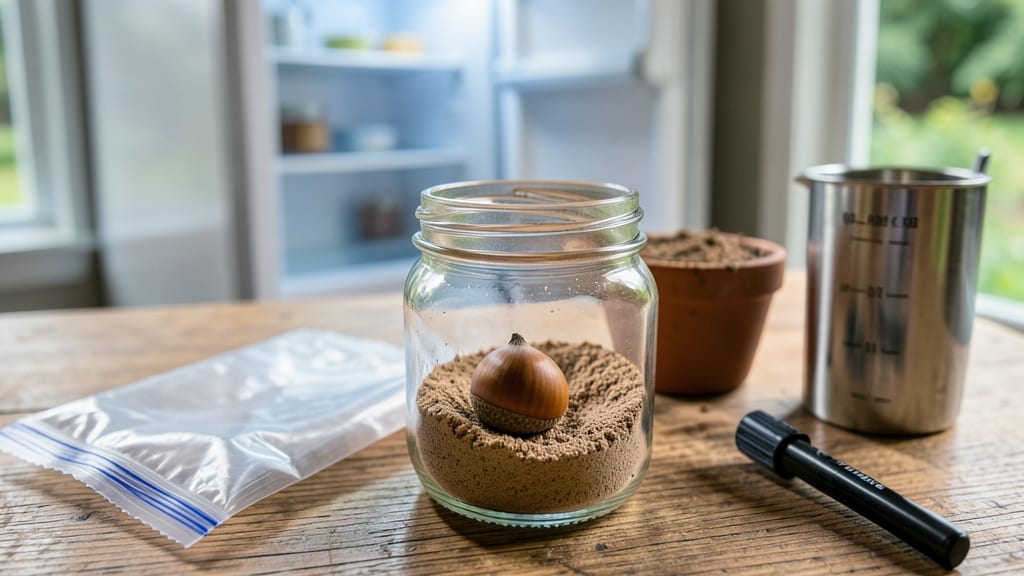
Germinating oak tree seeds feels like unlocking nature's patience—because these stubborn little acorns demand a little extra coaxing before they'll even think about sprouting. ✨ The cold stratification trick isn't just a hack; it's how oak trees naturally prepare in the wild, and it's what turns your 90% failure rate into reliable, strong seedlings.
Here's the truth: you can't just toss an acorn in soil and expect magic. Those seeds need 60-90 days of cold, moist conditions to break dormancy—think of it like winter's way of giving them a head start.
I've tried the quick methods, and they barely work, but this slow-and-steady approach actually delivers. You'll need a mix of sandy loam soil (or coconut coir), a sealed container, and a fridge that stays around 35-40°F.
Once you've got them stratified, planting is simple: 1-2 inches deep, kept consistently moist (not soggy), and moved to a sunny spot where temperatures stay above 60°F. The first sprouts appear in 4-12 weeks, but don't panic if it takes longer—oak trees are in no rush.
What you'll end up with is a 3-4 foot tall seedling in just a few years, ready to outlive you and your grandchildren.
This method works for red, white, or bur oaks, and even if you're not growing them for timber, the shade and wildlife value they bring is unmatched. The key is consistency—no skipping the cold treatment, and no letting the soil dry out.
Here's where it gets interesting: once those first leaves appear, you'll need to think about transplanting carefully, but that's a story for another time.
📚 In This Guide
- What you need
- Instructions
- Tips and common mistakes
- Wrapping up and next steps
What you need
- ● Fresh oak acorns: Collect at least 20-30 mature, plump acorns (avoid shriveled or insect-damaged ones). White oaks (Quercus alba) and red oaks (Quercus rubra) are great choices!
- ● Potting mix: 1 gallon of well-draining, sterile potting soil (mix equal parts peat moss, perlite, and coarse sand for best results).
- ● Containers: 2-3 small pots (4-6 inches deep) for stratification.
- ● 1 larger pot (10+ inches deep) or seed tray for planting post-stratification.
- ● Plastic bags or breathable covers: 2-3 (to create a humid microenvironment).
- ● Watering can or spray bottle: For gentle hydration—no soaking!
- ● Pruning shears or knife: To carefully remove the acorn’s cap (if needed).
- ● Thermometer: To monitor temps during stratification (ideally 34–41°F / 1–5°C).
- ● Refrigerator or cold frame: For stratification (or a DIY setup with a cooler + ice packs).
- ○ Fungicide (optional): A mild solution (like hydrogen peroxide, 3%) to dip acorns in and prevent rot.
- ○ Grow lights (optional): If germinating indoors before transplanting outdoors.
Step-by-Step instructions for germinating oak tree seeds
Here's how I break down oak seed germination—no guesswork, just proven cold stratification for reliable sprouts.
🌱 Step 1: Harvest and Prepare the Acorns
Collect fresh acorns in late fall when they've fallen naturally—they'll have the highest germination rates. Remove any that show signs of insect damage or mold, as these won't sprout. I like to soak them in lukewarm water for 24 hours first to soften the hard shell slightly. This helps the seedling break through more easily later.
After soaking, place the acorns between layers of damp paper towels in a sealed plastic bag. Store them in the refrigerator for 3-4 months—this cold stratification mimics winter conditions and triggers germination. Check them monthly to ensure the towels stay moist but not soggy. You'll know they're ready when tiny white roots appear, usually after about 8-12 weeks.
💧 Step 2: Plant the Stratified Acorns
Fill small pots—3-4 inches deep—with a mix of 50% potting soil and 50% perlite to ensure good drainage. Plant each acorn about 1 inch deep, with the pointed end facing upward. I use individual pots for each acorn to avoid overcrowding later. Gently press the soil around the seed to secure it in place.
Water lightly until the soil feels evenly moist but not waterlogged. Place the pots in a warm, shaded area with indirect light—direct sun can dry out the soil too quickly. Keep the soil consistently moist, but avoid letting it sit in water. You'll see the first signs of germination in 4-8 weeks, when the seedling's first leaves push through the soil.
☀️ Step 3: Transition to Outdoor Conditions
Once the seedlings have developed 3-4 true leaves and are about 4-6 inches tall, it's time to harden them off. Start by moving them outside to a sheltered spot for 1-2 hours the first day. Gradually increase their outdoor time over 10-14 days, until they can spend the full day outside. This slow transition prevents shock and helps them adjust to natural light and temperature fluctuations.
After hardening off, transplant the seedlings into larger containers or directly into the ground in a location with partial shade. Oak seedlings need consistent moisture during their first year, so water deeply once a week unless rainfall provides enough hydration. You'll know they're thriving when new leaves appear regularly and the stems grow sturdier each week.
⏰ Step 4: Long-Term Care for Young Oak Trees
For the first 2-3 years, protect young oak trees from strong winds and extreme temperatures. Mulch around the base with 2-3 inches of organic mulch to retain moisture and regulate soil temperature. Keep the mulch a few inches away from the trunk to prevent rot. Fertilize lightly in early spring with a balanced, slow-release fertilizer to encourage steady growth.
Watch for signs of stress, like yellowing leaves or stunted growth, which can indicate overwatering, underwatering, or nutrient deficiencies. Oak trees are slow growers, so patience is key. With proper care, your seedlings will develop into strong, healthy trees ready to thrive in their permanent location for decades.
Tips & tricks for perfect oak seed germination
Cold stratification is the secret weapon for oak seed success—here's how to make it work flawlessly for you.
Acorn Selection: Look for acorns that are plump and heavy, with a smooth, unblemished shell. The heavier the acorn, the more food reserves it contains for the seedling. I always tap two acorns together—if they make a hollow sound, they're likely empty and won't sprout. The 24-hour soak in lukewarm water is crucial because it softens the hard shell just enough to prevent cracking during germination.
Stratification Strategy: During the 3-4 months of cold stratification in Step 1, I recommend checking your acorns every 4-6 weeks rather than monthly. The refrigerator's humidity can vary, and you want to catch any drying out early. Place a small dish of water in the fridge near your bag to maintain consistent moisture levels. Those tiny white roots typically appear between 8-12 weeks, but don't be surprised if some take longer—patience pays off with oak seeds.
Planting Depth: When planting in Step 2, the 1-inch depth is perfect for most oak species, but for larger acorns like those from white oaks, you might go slightly deeper—about 1.5 inches. The pointed end should always face upward, as this is where the radicle (root) will emerge first. I use a pencil to make a small hole before planting to avoid damaging the seed. The 50% perlite mix is essential—it prevents the soil from becoming compacted, which oak seedlings hate.
Hardening Off: The gradual 10-14 day transition in Step 3 is where most seedlings fail if rushed. Start with that first 1-2 hour session in a sheltered spot like under a patio cover or against a north-facing wall. Oak seedlings are particularly sensitive to temperature swings, so avoid placing them in direct sunlight during this period. Watch for wilting—this is your signal to bring them back inside for another day or two of acclimation.
Pro Tips for Germinate Oak Tree Seeds
- Cold stratification is the secret weapon for oak seed success—here's how to make it work flawlessly for you.
- Acorn Selection: Look for acorns that are plump and heavy, with a smooth, unblemished shell.
- Stratification Strategy: During the 3-4 months of cold stratification in Step 1, I recommend checking your acorns every 4-6 weeks rather than monthly.
Frequently asked questions
Got questions about germinating oak seeds?
You’re not alone—oak trees are finicky, but with the right know-how, you can crack the code! Below, we’ve answered the most common queries to help you avoid pitfalls and boost your success rate.
How long does it take for oak seeds to germinate?
Patience is key! Oak seeds often take 3 to 6 months to sprout, especially with cold stratification. Some varieties (like white oak) may take up to a year. Keep soil consistently moist and warm (60–70°F) once stratification is complete—sprouts will emerge when they’re ready!
Can I skip cold stratification and still germinate oak seeds?
Not recommended! Cold stratification (60–90 days in the fridge) mimics winter conditions, breaking the seed’s dormancy. Skipping it usually results in 0% germination. For best results, follow the process—it’s worth the wait for those stubborn acorns!
Why aren’t my oak seeds sprouting after stratification?
Several factors could be at play:
- Check moisture: Dry soil = dead seeds. Keep it damp (not soggy).
- Verify seed viability: Old or damaged acorns won’t sprout. Test-float them—sinkers are viable!
- Temperature matters: After stratification, move pots to a warm spot (60–70°F).
Should I plant oak seeds directly in the ground or start indoors?
Both work, but indoors is easier for beginners—you control moisture, temperature, and pests. Start seeds in pots with well-draining soil, then transplant seedlings outdoors after they’re 6–12 inches tall. Direct sowing is riskier (animals may dig them up!) but works in mild climates.
What’s the best time of year to germinate oak seeds?
Start indoors in late fall or winter (after collecting acorns) to begin stratification. By spring, your seeds should be ready to sprout! If you’re direct-sowing, fall planting (after leaf drop) mimics natural conditions and often yields better results. Avoid summer heat—it can dry out seeds too fast.
Wrapping up and next steps
Germinating oak tree seeds may seem like a challenge, but with the right cold stratification technique, you’re well on your way to nurturing a mighty oak! 🌱 Remember, patience and consistency are key—oak seeds thrive when given time and the perfect conditions.
Once your sprouts emerge, the real adventure begins: transplanting them into soil and watching them grow into towering giants.
Ready to take the next step? Plant those sprouts in nutrient-rich soil and keep them cozy under a grow light until they’re strong enough to brave the outdoors. Your future oak forest starts now—happy growing! 🌳✨