
Planting
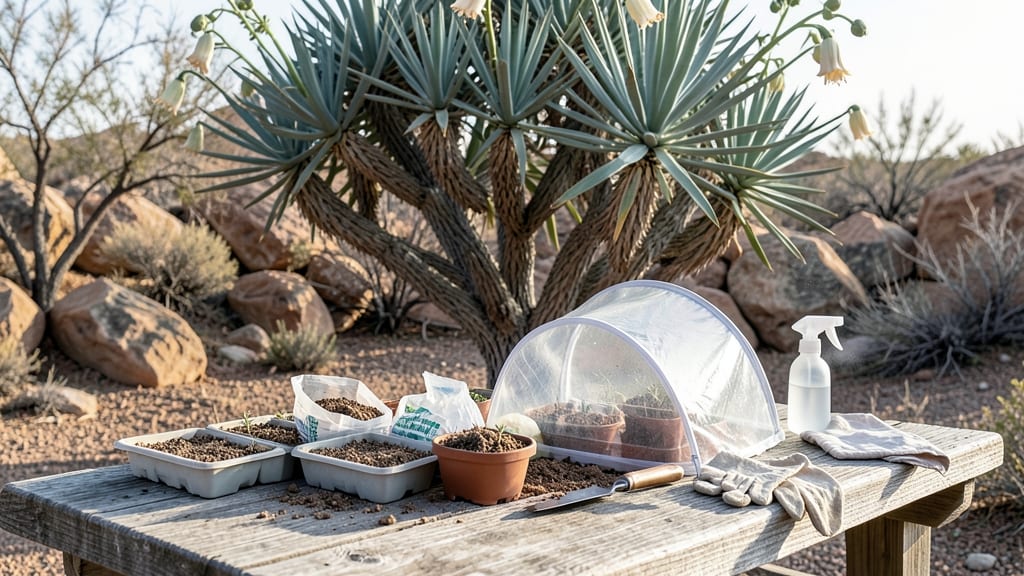
Planting Joshua tree seeds is like nurturing a tiny piece of the Mojave Desert in your own yard—slow but worth every wait. 🌵 These iconic desert plants take years to mature, but the journey starts with a single seed and the right conditions.
I’ve learned the hard way that patience is key, especially when germination rates hover around 10-20% even under perfect conditions. The secret lies in mimicking their natural habitat: well-draining soil, full sun exposure, and temperatures that stay warm (70-80°F) without humidity.
Most beginners overwater or use regular potting mix, which drowns the seeds. Instead, use a cactus/succulent mix and let the soil dry completely between waterings. A clear plastic bag over the pot creates a mini greenhouse effect—just don’t let it stay soggy.
You’ll likely see sprouts in 4-12 weeks, but don’t expect miracles. Even with perfect care, some seeds may never break dormancy. What matters is giving them a fighting chance, like a tiny pioneer plant carving its way through the desert floor.
Once they’re established, they’ll reward you with spiky, architectural beauty that thrives on neglect. For best results, start seeds indoors 6-8 weeks before last frost, then transplant outdoors only after they’ve developed a strong root system. Desert conditions—hot days, cool nights—are non-negotiable for long-term success.
Here’s where the real magic happens.
📚 In This Guide
- What you need
- Instructions
- Tips and common mistakes
- Wrapping up and next steps
What you need
- ● Growing a Joshua Tree from seed is a rewarding but delicate process—here’s what you’ll need to get started! Gather these materials and tools before diving in:
- ● Pro tip: 💡 Joshua Trees thrive in heat and dryness! Mimic their desert habitat by keeping soil barely moist—never soggy. Patience is key—germination can take weeks to months.
Step-by-Step instructions for planting Joshua tree seeds
Turn your desert dreams into reality with these proven techniques for growing Joshua tree seeds.
🌱 Step 1: Stratify Seeds to Break Dormancy
Joshua tree seeds need a cold period to germinate—this mimics their natural desert winter. Place the seeds in a sealed container with slightly damp sand or vermiculite, then refrigerate for 4-6 weeks at 35-40°F. Check weekly to ensure the medium stays barely moist; soggy conditions invite rot.
After stratification, remove the seeds and let them air-dry for 24 hours before planting. This step is critical—skipping it results in seeds that simply refuse to sprout, no matter how much care you give them later. I’ve tried planting unstratified seeds, and they just sit there, stubborn as the desert itself.
🪴 Step 2: Prepare Containers and Soil Mix
Use 4-inch pots filled with a 50/50 mix of cactus/succulent soil and coarse sand—this ensures excellent drainage, which Joshua trees demand. Avoid garden soil; it compacts and holds too much moisture, leading to root rot. Sterilize the mix by baking it at 200°F for 30 minutes to kill pathogens.
Fill each pot ¾ full with the mix, leaving room for the seed. Tap the container gently to settle the soil without compacting it. Joshua trees dislike soggy feet, so the extra space prevents water from pooling at the base. I like to add a ¼-inch layer of small gravel at the bottom for extra drainage—this prevents water from sitting against the roots.
💧 Step 3: Plant Seeds and Provide Warmth
Plant one seed per pot at a depth of ½ inch, pressing lightly to ensure good soil contact. Water gently with a spray bottle until the soil is evenly moist but not wet. Place the pots in a warm, bright location—75-85°F is ideal. A heat mat set to 80°F speeds up germination, but a sunny windowsill works too.
Cover the pots with clear plastic wrap to retain humidity, but prop it up slightly to allow airflow. Check daily for condensation—if you see droplets forming, remove the wrap for 30 minutes to prevent fungal growth. Germination can take 2-4 weeks, so patience is key. I’ve seen seeds sprout in as little as 10 days if conditions are perfect.
☀️ Step 4: Transition to Bright Light and Low Humidity
Once seedlings emerge, remove the plastic wrap immediately to prevent damping-off. Move them to a south-facing window or under grow lights for 14-16 hours daily. Joshua trees need full sun to thrive, so avoid shaded spots—they’ll stretch weakly toward any light source, a sign of legginess.
Water only when the top inch of soil feels dry, using a spray bottle to avoid disturbing the delicate roots. Overwatering is the fastest way to kill these seedlings. After 4-6 weeks, when seedlings have 2-3 sets of true leaves, you can gradually introduce them to outdoor conditions by placing them in a sheltered, sunny spot for 1-2 hours daily. This hardening-off process takes 2 weeks and prepares them for permanent outdoor planting.
⏰ Step 5: Transplant Outdoors After Establishing Roots
Wait until seedlings are 6-12 inches tall and have strong, woody stems before transplanting. Choose a well-draining site with full sun—Joshua trees despise shade and poor drainage. Dig a hole twice as wide as the root ball but only as deep as the pot. Gently remove the seedling, loosen the roots if they’re circling, and place it in the hole.
Backfill with native desert soil mixed with sand and gravel to improve drainage. Water deeply once to settle the soil, then let it dry completely. After transplanting, avoid watering for 2 weeks—this encourages roots to seek moisture deeper in the soil. In the desert, Joshua trees rely on infrequent, deep watering, so mimic that habit from the start.
Tips & tricks for planting Joshua tree seeds
These desert-proven strategies will help you coax life from stubborn Joshua tree seeds—no green thumb required.
Cold Stratification Precision: That 4-6 week cold period in Step 1 is non-negotiable, but here's the secret: use a thermometer to monitor your fridge's temperature zone. Some fridges have warmer spots near the door—place your seed container on the middle shelf where it consistently stays between 35-40°F. I've had batches fail when the temperature crept above 45°F, so check it weekly. The seeds need this precise cold shock to break dormancy, just like their desert ancestors experience during winter rains.
Soil Sterilization Shortcut: While baking your 50/50 cactus/succulent soil mix at 200°F for 30 minutes kills pathogens, here's what nobody tells you—microwave sterilization works too! Spread your soil mix in a single layer on a microwave-safe plate and zap it for 2 minutes on high. Stir, then repeat for another 2 minutes. This method is faster and uses no oven space, though you'll need to monitor closely to avoid scorching. The key is even heating throughout the mix.
Germination Environment Hack: When creating that warm, humid environment in Step 3, skip the plastic wrap if you notice condensation forming within 24 hours. Instead, use a clear plastic dome (like those that come with seed starter kits) that allows airflow while maintaining humidity. I've found this prevents the dreaded fungal growth that can wipe out seedlings overnight. The goal is moisture without sogginess—think of it as creating a mini desert monsoon, not a swamp.
Transplanting Confidence Builder: Before moving your 6-12 inch seedlings outdoors in Step 5, do this test: gently tug on the base of the plant. If it resists slightly (meaning roots have established), it's ready. If it pulls out easily, give it another 2-3 weeks indoors. I've learned this the hard way—transplanting too early leads to shock, while waiting too long can cause root-binding. The ideal transplant has roots that fill the pot but aren't circling the bottom.
Pro Tips for Plant Joshua Tree Seeds
- These desert-proven strategies will help you coax life from stubborn Joshua tree seeds—no green thumb required.
- Cold Stratification Precision: That 4-6 week cold period in Step 1 is non-negotiable, but here's the secret: use a thermometer to monitor your fridge's temperature zone.
- Soil Sterilization Shortcut: While baking your 50/50 cactus/succulent soil mix at 200°F for 30 minutes kills pathogens, here's what nobody tells you—microwave sterilization works too!
Frequently asked questions
Got questions about growing Joshua tree seeds? You’re not alone—these desert natives can be tricky! Here are answers to the most common queries to help you succeed.
How long does it take for Joshua tree seeds to germinate?
Germination can take anywhere from 2 weeks to 6 months, depending on conditions. Patience is key—keep soil consistently moist (not soggy) and maintain warm temperatures (70–85°F). Cold stratification (4–6 weeks in the fridge) can speed things up for stubborn seeds.
Do I need to cold-stratify Joshua tree seeds?
Yes! Cold stratification mimics winter and breaks seed dormancy. Place seeds in a damp paper towel inside a sealed bag, then refrigerate for 4–6 weeks. Skip this step, and germination rates may drop dramatically. Pro tip: Label your bag to avoid forgetting!
Can I grow Joshua trees in a pot instead of planting outdoors?
Start seeds in well-draining pots (like terracotta) with cactus/succulent mix. Use a sunny windowsill or grow light until seedlings are 2–3 inches tall. Transplant outdoors only after the last frost and when roots fill the pot—these trees hate being disturbed.
Why aren’t my Joshua tree seeds sprouting?
Common culprits:
- Poor soil drainage (use gritty mix + perlite).
- Inconsistent moisture (let soil dry slightly between waterings).
- Temperature issues (keep above 60°F; avoid AC vents).
- Old seeds (store-bought seeds may need stratification).
Are there easier desert plants for beginners?
If Joshua trees feel too finicky, try these low-maintenance alternatives:
- Prickly Pear Cactus (fast-growing, drought-tolerant).
- Agave (striking foliage, minimal care).
- Desert Marigold (Baileya multiradiata) (bright blooms, hardy).
Wrapping up and next steps
Growing a Joshua tree from seed is a rewarding journey that connects you to the rugged beauty of the desert—right in your own backyard! 🌵 With patience, the right conditions, and a little care, you can nurture these striking icons into thriving plants.
Start small, stay consistent, and soon you’ll have a living piece of the Southwest’s charm.
Ready to take the next step? Visit your local nursery or online seed supplier to stock up on fresh Joshua tree seeds, then roll up your sleeves and get planting. Your desert oasis awaits!