
Propagation
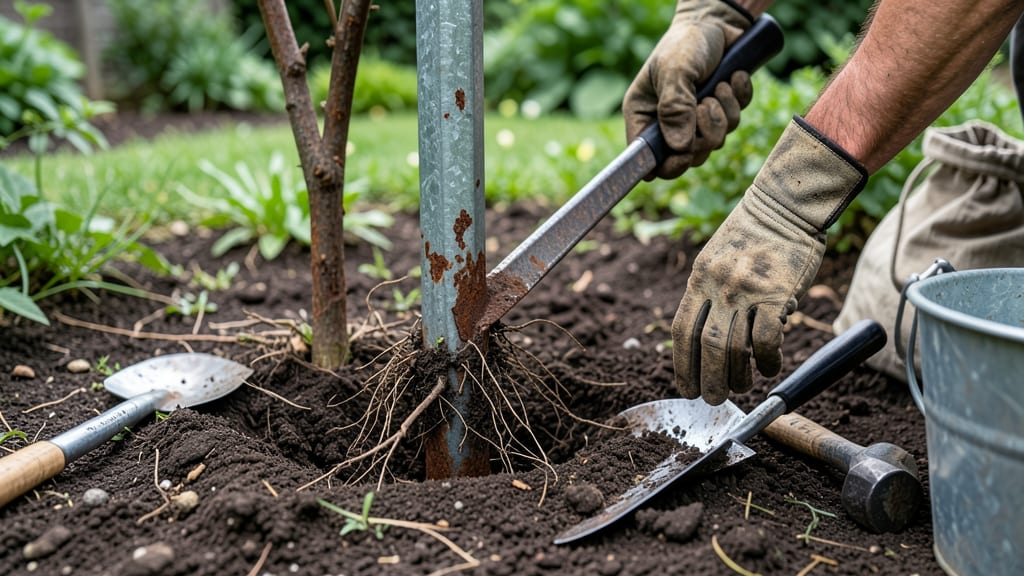
How to remove metal tree stakes from the ground without destroying your soil or roots is all about technique—not brute force. 🌱 I’ve wrestled with these stubborn stakes in my own garden, and the difference between gentle extraction and soil destruction comes down to patience and the right tools. The goal isn’t brute force; it’s working with the soil to pull them free without leaving behind damaged roots or a mess of displaced dirt.
You’ll need just three things: a sturdy pry bar (or flathead screwdriver for smaller stakes), heavy-duty work gloves, and a bucket of water. The pry bar slides between the stake and soil to break suction, while the gloves protect your hands from jagged edges.
Water helps loosen compacted soil around the stake—no digging required. Most stakes come out in minutes this way, but rusted ones? That’s where the real strategy kicks in.
Start by wetting the soil around the stake’s base—this reduces friction and rust’s grip. Then, angle the pry bar slightly and tap it gently with a hammer to create separation.
Pull upward in short, controlled motions, never sideways (that’s how you shear roots). With a little persistence, you’ll extract the stake intact, leaving the soil structure—and your garden’s health—completely undisturbed.
Pro tip: If the stake is too corroded to reuse, crush it with pliers before tossing to avoid sharp edges. For fragile soil, like in raised beds, work in layers—remove the top inch of soil first, then the stake, then replace the soil gently.
The key is always minimal disruption. Your garden will thank you.
📚 In This Guide
- What you need
- Instructions
- Tips and common mistakes
- Wrapping up and next steps
What you need
- ● Heavy-duty gloves (1 pair) – Thick, cut-resistant gloves (e.g., leather or Kevlar) to protect your hands from sharp edges and rust.
- ● Long-handled pry bar (1) – 18-24 inches long, with a sturdy, flat tip for leveraging stakes.
- ● Adjustable wrench or pliers (1) – For gripping rusted stakes or removing any fasteners.
- ● Hammer or mallet (1) – Rubber-headed mallet preferred to avoid damaging stakes or soil.
- ○ Metal tree stake extractor (optional but helpful) – A specialized tool with a claw-like design for gripping and lifting stakes.
- ● Rust converter or WD-40 (small bottle) – To loosen rusted stakes and make extraction easier.
- ● Shovel or garden fork (1) – For loosening compacted soil around the stake base.
- ● Bucket or wheelbarrow (1) – For collecting debris and storing removed stakes.
- ○ Knee pads (optional) – For comfort if you’ll be kneeling for extended periods.
- ● Eye protection (safety goggles) – To shield against flying debris or rust particles.
- ● Workwear – Long sleeves and pants to avoid scratches or rust stains.
- ○ Soil amendment (optional) – Compost or mulch to replenish nutrients after extraction.
Step-by-step guide to safely extract metal tree stakes
Here's how to pull out stubborn stakes without wrecking your soil or leaving rusty remnants behind.
🪴 Step 1: Gather the Right Tools for Clean Removal
Start with a flat-head shovel and channel locks—these are your best friends for levering out stakes without bending them. I always grab a wire brush too, because rusted stakes often corrode into the soil, making extraction harder. If the stakes are deeply embedded, a pry bar comes in handy for stubborn cases.
Wear gloves—rusty metal can be sharp, and the soil might hide splinters or debris. Check the weather too; working in dry soil is easier than trying to dig in damp, clinging earth. If your soil is wet, wait a day or two for it to dry out slightly before starting.
💧 Step 2: Loosen the Soil Around Each Stake
Insert the flat-head shovel about 2-3 inches away from the stake and angle it slightly toward the metal. Push down firmly to create a gap between the soil and the stake—this breaks the suction that holds it in place. You’ll hear a faint pop when the soil releases, and the stake should shift slightly.
Work your way around the stake in a circular motion, loosening the soil in sections. If the stake is rusted, you might need to wiggle it gently as you go. Avoid prying directly on the stake itself—this can bend it or leave a jagged edge in the soil. Think of it like peeling a stubborn label off a jar: patience and steady pressure win the day.
✂️ Step 3: Pry Out the Stake Without Breaking It
Once the soil is loosened, slip the pry bar or channel locks under the stake at the base. Apply even pressure upward—if you’re using channel locks, turn them slowly to avoid slipping. You’ll feel resistance at first, but as the stake lifts, the soil will release in chunks. If the stake starts to bend, stop immediately and try a different angle.
For deeply embedded stakes, you might need to repeat the loosening process. If rust has fused the stake to the soil, a wire brush can help scrub away corrosion before prying. Never force it—twisting or yanking can snap the stake underground, leaving you with a broken piece to deal with later.
🌱 Step 4: Clean Up Soil and Remove Rust Residue
After extraction, fill the hole with fresh soil and tamp it down lightly. If the stake was rusty, use the wire brush to scrub the hole—this prevents rust from spreading to nearby plants or contaminating the soil. For stubborn rust stains, a mix of vinegar and water (1:1 ratio) works wonders as a natural cleaner.
Dispose of the stakes properly—rusty metal doesn’t belong in compost or garden beds. If you plan to reuse the stakes, soak them in a 10% vinegar solution for 24 hours to dissolve rust before storing them for future use. This keeps them ready for your next planting project without risking soil damage.
⏰ Step 5: Prevent Future Stake-Related Headaches
Next time you plant, use biodegradable stakes or opt for plastic-coated metal ones—they’re easier to remove later. If you must use metal, coat them with a thin layer of petroleum jelly before inserting; this creates a barrier that reduces rust and makes extraction simpler. I also like to mark the depth with a pencil so I know when to stop driving them in.
For young trees, consider tree ties or soft fabric supports instead of metal stakes—they’re gentler on roots and won’t leave behind a mess. If you’re dealing with a large number of stakes, take your time and tackle them in stages. Rushing leads to broken stakes, soil compaction, and frustration—none of which you need after a day’s work in the garden.
Tips & tricks for rust-free metal stake extraction
Real talk: I've wrenched out more rusty stakes than I can count, and these tricks save you from the frustration I've lived through. Here's what nobody tells you about making stake removal smoother and safer.
Tool Prep is Everything: Before you start, give your tools a quick once-over. A flat-head shovel with a sharp edge works best—dull edges will slip and damage your soil. I always check my channel locks for smooth jaws that grip without marring the metal. For stubborn rust, spray a bit of penetrating oil on the pry bar and let it sit for 5 minutes before use. This helps break the rust bond that's fusing your stake to the earth.
Soil Condition Matters: The instructions mention dry soil is easier, but here's the secret: if your soil is damp, don't fight it—work with it. Sprinkle some dry sand around the stake and let it sit for 10 minutes before digging. The sand absorbs moisture and creates a temporary dry zone around the stake. For really tough cases, I've even used a hairdryer to warm the soil slightly before prying—this makes the earth crumble more easily.
Rust Removal Shortcut: When you're scrubbing rust residue from the hole, don't just use vinegar—make it a two-step process. First, scrub with the wire brush to remove loose rust, then spray the hole with vinegar and let it sit for 10 minutes before rinsing. For stakes you plan to reuse, the 24-hour vinegar soak is worth it, but if you're in a hurry, soak them for just 2 hours first to remove the worst of the rust before completing the full treatment later.
Safety First: Rusty metal can hide sharp edges even when it looks smooth. Always wear gloves and consider using safety glasses when prying—rust flakes can fly unexpectedly. I've seen people cut their hands on rusted stakes that looked perfectly harmless. For extra protection, wrap the stake in a thick towel before prying to create a cushion between your hands and the metal.
Pro Tips for Remove Metal Tree Stakes From Ground
- Real talk: I've wrenched out more rusty stakes than I can count, and these tricks save you from the frustration I've ...
- Tool Prep is Everything: Before you start, give your tools a quick once-over. A flat-head shovel with a sharp edge wo...
- Soil Condition Matters: The instructions mention dry soil is easier, but here's the secret: if your soil is damp, don...
Frequently asked questions
Got questions about removing metal tree stakes without a fuss? You’re not alone! Here are some common concerns—and straightforward answers—to make the process smoother than a freshly pruned hedge.
Can I remove metal tree stakes in winter or rainy weather?
While winter or wet conditions can make the soil softer (easing extraction), they also introduce risks like rusting tools or muddy messes. If you must remove stakes in these seasons, wear gloves, use a rubber mallet for leverage, and work in dry spells. For best results, aim for spring or fall when the ground is workable but not waterlogged.
Will removing metal stakes damage my plants’ roots?
If stakes are embedded shallowly (1–2 inches deep) and you use gentle techniques—like a stake puller or pry bar—roots should stay intact. Pro tip: Water the soil 24 hours before removal to loosen it. Avoid yanking stakes at sharp angles, which can tear roots. For young plants, check for resistance; if you feel roots, pause and adjust your approach.
What’s the easiest tool for removing rusted stakes?
A stake puller (or a sturdy pry bar) is your best bet for rusted stakes—it grips the stake without slipping. If you don’t have one, a hacksaw (to cut the stake at ground level) or a rubber mallet (to tap the stake loose) works in a pinch. For stubborn rust, spray penetrating oil on the stake 24 hours before pulling to break the corrosion.
Are there alternatives to metal stakes that won’t rust or need removal?
Consider biodegradable stakes (like bamboo or corn-based), plastic-coated metal stakes, or even natural supports like twine and wooden dowels. For young trees, tree ties paired with a soft fabric sling (no stake needed) can work wonders. Just ensure alternatives won’t degrade too quickly or harm your plant.
What should I do if a stake breaks off underground?
Don’t panic! If a fragment remains, leave it—digging further risks root damage. Over time, the soil will naturally break it down. For visible pieces, use a digging fork to gently lift the surrounding soil and coax it out. If the stake is galvanized, it’ll last decades; if it’s plain metal, rust will eventually do the work for you.
Wrapping up and next steps
Removing metal tree stakes doesn’t have to be a headache—with the right tools and techniques, you can extract them cleanly, protect your soil, and even reuse the stakes for future projects! 🌱 Whether you’re dealing with rusted stakes or stubborn roots, patience and the methods shared here will make the job easier.
Once you’ve successfully removed them, consider inspecting the stakes for reuse or repurposing them into creative garden art or supports.
Now that you’re equipped with the know-how, grab your tools and tackle the task with confidence. Your garden (and future planting projects) will thank you! 💪