
Pruning
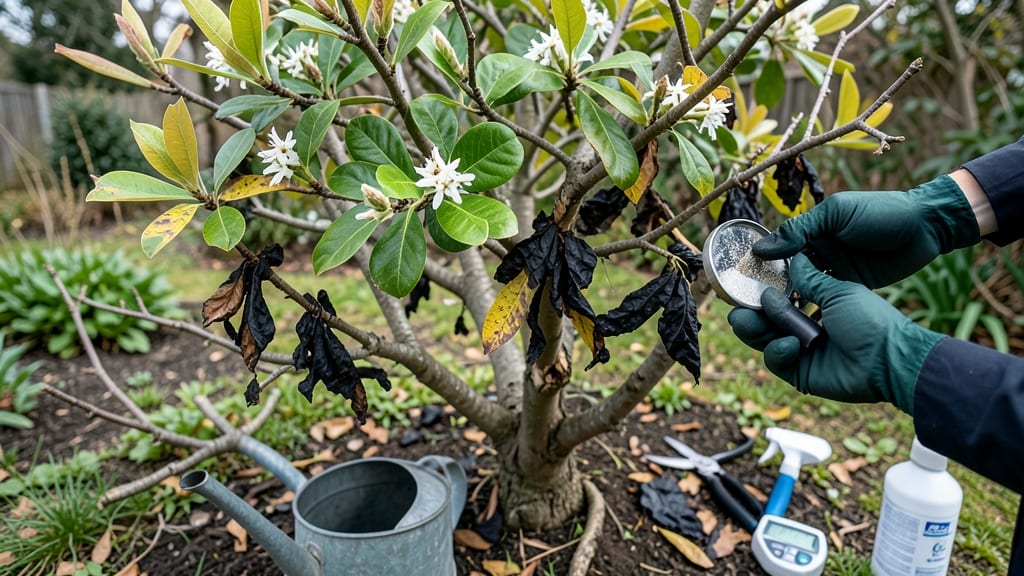
How to tell if a magnolia tree is dying—that sudden silence, no blooms, no leaves—is a gardener’s worst nightmare. 🌿 The good news? Most "dying" magnolias are actually struggling, not dead, and can bounce back with the right care. I’ve saved more than a few by spotting these five early warning signs before they became irreversible. First, check the leaves: yellowing, browning, or curling edges mean stress from overwatering, underwatering, or fungal issues. Then inspect the bark—cracks, oozing sap, or black spots signal disease or pest damage. Even worse? No flowers for two seasons straight, which often points to root rot or nutrient deficiency. These clues don’t mean game over, but they do mean it’s time to dig deeper (literally). Start with the soil: stick your finger 6 inches down—if it’s soggy, drain the area; if bone-dry, water deeply. Prune dead branches (sterilize your tools first!) and fertilize with magnolia-specific food in early spring. The goal isn’t to revive a doomed tree but to give it a fighting chance before calling an arborist. Remember: magnolias are tough. Last summer, my neighbor’s tree lost 80% of its leaves but came back stronger after adjusting water and mulch. Patience and observation are your best tools—don’t panic until you’ve ruled out reversible problems.
Root Causes Behind Ailing Magnolias
Magnolia trees are majestic, long-lived plants—but even they can succumb to stress when their needs aren’t met. Understanding why your magnolia is struggling is the first step to reviving it. Below, we break down the most common culprits, backed by science, so you can diagnose and act fast.
Magnolias are susceptible to several diseases that weaken their structure and vitality. The most notorious offenders include:
- Magnolia Scale (Neolecanium cornuparvum) – A sap-sucking insect that weakens leaves and branches by excreting honeydew, which fosters sooty mold. Why it happens: These armored scales thrive in warm, humid climates and spread via wind or insects. Infestations disrupt photosynthesis, causing yellowing leaves and stunted growth.
- Fungal Leaf Spot (e.g., Gloeodes pomigena) – Causes dark, irregular spots on leaves, leading to premature leaf drop. Why it happens: Fungal spores spread in wet conditions (like rain or overhead watering), exploiting weak spots in the tree’s cuticle.
- Root Rot (Phytophthora species) – A silent killer that thrives in waterlogged soil. Why it happens: Poor drainage or overwatering creates anaerobic conditions, allowing fungi to gnaw at roots, cutting off nutrient and water uptake.
💡 Pro Tip: If you spot sticky residue on leaves or dark, mushy roots, act fast—fungicides (like copper-based sprays) and improved drainage can save the tree.
Magnolias are sensitive to extreme conditions, and even subtle shifts can trigger decline. Here’s how the environment turns against them:
| Factor | Why It Happens | Signs to Watch For |
|---|---|---|
| Heat & Drought | Magnolias prefer humid, temperate climates. Prolonged heat (above 90°F) and dry soil cause water stress, closing stomata (leaf pores) to conserve moisture. This halts nutrient transport, leading to: | Wilting, crispy leaf edges, premature leaf drop, and brown bark splits. |
| Cold Damage | Young magnolias (<10 years old) are vulnerable to freeze injury. Temperatures below 10°F can rupture cell walls, while late spring frosts (<28°F) damage emerging buds. Why it happens: Ice crystals form in cells, disrupting water flow and causing: | Blackened, mushy buds; dieback of branches; and delayed spring growth. |
| Poor Air Circulation | Dense foliage or planting magnolias too close to structures/fences traps humidity, creating ideal conditions for fungal diseases. Why it happens: Stagnant air prevents transpiration, forcing the tree to "sweat" excess moisture, which: | Leads to leaf spots, powdery mildew, and weakened branches. |
🌡️ Quick Fix: Mulch 3–4 inches deep (but keep it away from the trunk) to regulate soil temperature and retain moisture. For heatwaves, provide afternoon shade with shade cloth.
Magnolias are heavy feeders, and soil imbalances can starve them into decline. Here’s what’s missing—and why:
- Nitrogen (N) Deficiency
Why it happens: Nitrogen fuels leafy growth. If your soil lacks organic matter or you haven’t fertilized in years, the tree prioritizes root growth over foliage, leading to:
- Pale, yellowing leaves (chlorosis)
- Stunted new shoots
- Weakened immunity to pests
- Iron (Fe) or Chlorosis
Why it happens: Magnolias need acidic soil (pH 5.0–6.5). Alkaline soil (pH >7.0) locks out iron, even if it’s present. The tree can’t produce chlorophyll, causing:
- Bright yellow leaves with green veins
- Leaf drop in severe cases
- Potassium (K) or Phosphorus (P) Shortages
Why it happens: These nutrients strengthen cell walls and root systems. Deficiencies often stem from:
- Leaching in sandy soils
- Overuse of nitrogen-heavy fertilizers (which "burn" roots)
✨ Soil Test Solution: Test your soil’s pH and nutrient levels (kits cost ~$20). Amend with sulfur to lower pH or use chelated iron supplements for chlorosis. For general health, apply a balanced fertilizer (10-10-10) in early spring.
Even the hardiest magnolias can’t recover from severe trauma. Common culprits include:
- Improper Pruning
Why it happens: Cutting into the cambium layer (the tree’s growth ring) or removing too much foliage at once disrupts the tree’s energy flow. Over-pruning (especially in late summer/fall) leaves it vulnerable to:
- Dieback (dead branches)
- Weakened immune response
- Sunburn on exposed bark
- Mechanical Injury
Why it happens: Lawnmowers, string trimmers, or even animal gnawing (deer, rabbits) create entry points for pathogens. Deep wounds:
- Expose the tree to wood-rotting fungi (e.g., Armillaria)
- Disrupt sap flow, leading to oozing sap or cankers
- Construction or Root Compaction
Why it happens: Heavy foot traffic, parking near the tree, or soil compaction from construction restricts root expansion. Compacted soil:
- Reduces oxygen uptake
- Traps excess water, promoting root rot
- Limits access to nutrients
🔪 Emergency Care: For pruning wounds, use sterilized pruners and seal cuts larger than ½-inch with pruning sealant. For compacted soil, aerate with a garden fork or top-dress with compost.
Now that you know the why, the next step is identifying which of these issues is plaguing your magnolia. Stay tuned for actionable fixes to bring your tree back to life!
Revive Your Magnolia Tree Now
If your magnolia tree is showing signs of distress, don’t panic—many issues can be reversed with the right care. Below are practical, step-by-step solutions tailored to the most common causes of decline, along with prevention tips to keep your tree thriving for years.
Signs: Yellowing leaves, soft or mushy bark at the base, foul-smelling soil.
How to Treat It: 🔥 Stop Watering Immediately – Root rot thrives in soggy soil. Let the top 2–3 inches dry out before watering again. 🍳 Improve Drainage – Mix compost or perlite into the soil around the roots to aerate it. If planting in clay-heavy soil, consider raising the root zone with a small mound of amended soil. 👨🍳 Prune Damaged Roots – Carefully dig around the base (if safe) and trim any black, mushy roots with sterilized pruners. Replant with fresh, well-draining soil. ⏰ Monitor & Adjust – Use a moisture meter to check soil levels. Magnolias prefer slightly moist but never waterlogged soil.
Prevention Tips: ✨ Plant in the Right Spot – Avoid low-lying areas where water pools. Ensure the hole is twice as wide as the root ball but no deeper. 💡 Mulch Properly – Apply 2–3 inches of mulch (wood chips or bark) around the base, but keep it 6 inches away from the trunk to prevent rot.
Signs: Black spots on leaves, powdery white growth, wilting branches, or leaf drop.
How to Treat It: 🔪 Remove Infected Parts – Prune all diseased leaves and branches (up to 6 inches below the infection) with disinfected tools. Dispose of them in the trash, not compost. 🌡️ Apply Fungicide – Use a copper-based or neem oil fungicide (follow label instructions). Reapply every 2–4 weeks during wet seasons. 🎯 Boost Airflow – Thin out dense branches to improve circulation. Avoid overcrowding with other plants.
Prevention Tips: 💪 Water at the Base – Avoid overhead sprinkling, which spreads spores. Water early in the day so leaves dry quickly. 🥗 Clean Up Debris – Rake and remove fallen leaves around the tree to reduce fungal spores.
Signs: Brown, crispy leaf edges, leaf scorch, or sudden wilting in hot weather.
How to Treat It: 🌿 Provide Afternoon Shade – If your tree is in full sun, install shade cloth (30–50%) during peak heat (12–4 PM). Young magnolias need partial shade for the first few years. 💦 Deep Water Regularly – Water slowly and deeply (1–2 inches per week) rather than frequent shallow watering. Use drip irrigation to keep roots consistently moist. 🍎 Fertilize Lightly – Apply a balanced, slow-release fertilizer (10-10-10) in early spring to support recovery. Avoid high-nitrogen fertilizers, which can stress the tree further.
Prevention Tips: ✨ Choose the Right Variety – Some magnolias (like Magnolia grandiflora) tolerate full sun better than others. Check your tree’s needs before planting. 🌡️ Mulch for Moisture Retention – A 3-inch layer of mulch helps regulate soil temperature and reduces water loss.
Signs: Holes in leaves, sawdust-like frass, sticky sap (honeydew), or visible bugs (scale, borers, or beetles).
How to Treat It: 🔪 Handpick or Blast Off Pests – For scale insects, use a strong stream of water to dislodge them. For borers, drill holes into the infested wood and inject beneficial nematodes or insecticidal soap. 🍳 Apply Natural Repellents – Spray with neem oil, horticultural oil, or insecticidal soap (reapply every 7–14 days). For borers, try spinosad-based sprays. 👨🍳 Invite Predators – Encourage ladybugs, lacewings, or parasitic wasps by planting native flowers nearby.
Prevention Tips: 💡 Inspect Regularly – Check for pests every 2 weeks during growing season. Early detection = easier treatment! 🌿 Keep the Area Clean – Remove fallen fruit or leaves where pests hide. Prune dead branches promptly.
Once you’ve addressed the root cause, give your magnolia a boost with these all-around tips: - Prune Smart – Remove only dead, diseased, or crossing branches in late winter/early spring.
Avoid heavy pruning, as magnolias bloom on old wood. - Support Weak Branches – Use tree ties or stakes if large branches are struggling to stay upright. - Avoid Over-Fertilizing – Too much nitrogen can weaken the tree’s defenses. Stick to balanced, organic fertilizers.
Final Pro Tip: 🌟 Patience is key! Magnolias are slow to recover, but with consistent care, many can bounce back—especially if caught early. If your tree is severely compromised (e.g., large dead sections, oozing sap), consult an arborist for professional assessment.
Now, roll up your sleeves and give your magnolia the TLC it deserves—your future blooms will thank you! 🌸
Frequently asked questions
Why are my magnolia leaves turning yellow but staying on the tree?
Yellow leaves that stay attached usually signal chlorosis, often caused by iron deficiency or alkaline soil. Magnolias thrive in acidic soil (pH 5.0–6.5). Test your soil—if pH is too high, amend with sulfur or use chelated iron supplements. Yellowing can also come from overwatering or poor drainage, so check soil moisture before acting.
Can a magnolia tree recover from root rot?
Yes, but early action is critical! Stop watering immediately and improve drainage by mixing compost or perlite into the soil. Prune any black, mushy roots with sterilized tools, then replant with well-draining soil. Use a moisture meter to monitor soil levels—magnolias prefer slightly moist but never soggy conditions. Severe cases may need professional help.
How do I know if my magnolia is just dormant or actually dying?
Dormant magnolias lose leaves in winter but keep healthy bark and sturdy branches. A dying tree shows multiple signs: 50%+ leaf loss, peeling or cracked bark, no new growth after 2 years, or oozing sap. Check for pests or disease first—if the tree is still alive but struggling, targeted care can revive it.
What’s the best time to prune a struggling magnolia?
Prune in late winter or early spring (before buds swell) to avoid stressing the tree further. Remove only dead, diseased, or crossing branches—never cut more than 25% of the foliage at once. Sterilize tools with rubbing alcohol to prevent spreading disease. Avoid pruning in fall, as wounds won’t heal before winter.
My magnolia has no flowers—is it dying?
Not necessarily! Magnolias bloom on old wood, so heavy pruning or stress (like drought or poor soil) can delay flowers. If the tree has healthy leaves and branches, it’s likely just resting. For blooms, ensure balanced fertilization, proper watering, and partial shade (especially for young trees). No flowers for 3+ years may signal deeper issues.