
Pruning
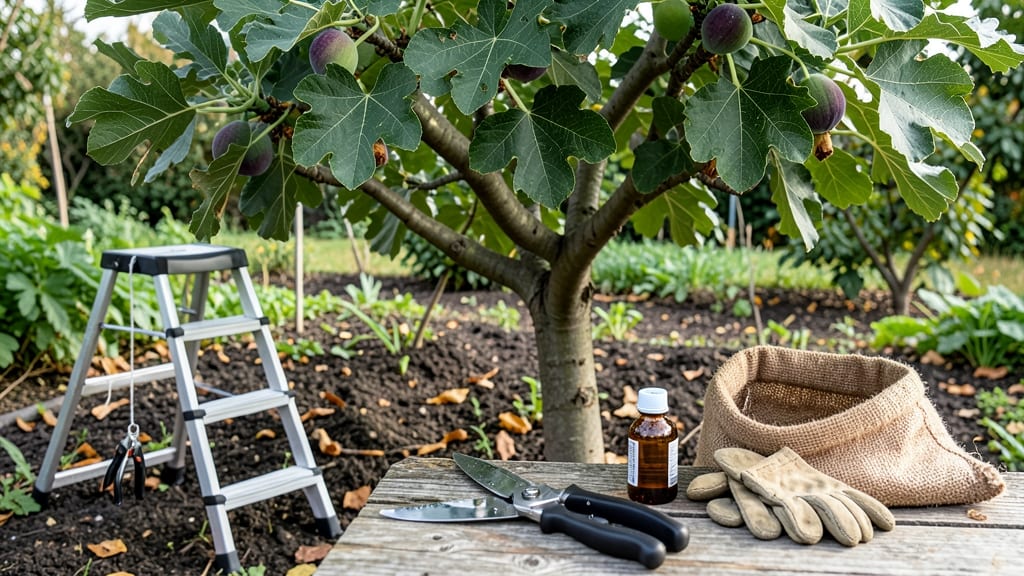
Fall’s the perfect time to trim your fig tree—sharp cuts now mean sweeter fruit next summer. 🌿 I’ve learned the hard way that skipping this step leaves your tree vulnerable to winter damage and weak growth.
The key is timing: wait until after the leaves drop but before hard frost hits your zone. You’ll need clean pruning shears, a sharp saw for thicker branches, and rubbing alcohol to sterilize tools between cuts.
Focus on removing dead wood first—those gray, brittle branches have no place on a productive tree. Next, thin out crowded growth to improve airflow, which cuts back on fungal diseases. After pruning, your tree will reward you with stronger branches and heavier fruit by midseason.
Just avoid cutting into the main trunk unless absolutely necessary—figs heal slowly, and unnecessary wounds invite pests. For zones 7-9, this is your last chance to shape the tree before winter dormancy.
If you’re in colder zones (5-6), wait until late winter when the tree is still dormant but before new growth starts. The goal is always the same: promote healthy growth while keeping the tree’s natural shape intact. Now grab those shears—your future harvest depends on it.
📚 In This Guide
- What you need
- Instructions
- Tips and common mistakes
- Wrapping up and next steps
What you need
- ● Pruning shears: Bypass pruners (sharp, 6–8 inch blades) for clean cuts on small branches.
- ● Loppers: 1 pair (8–12 inch) for thicker branches (½–1½ inches in diameter).
- ● Pruning saw: 1 (8–12 inch) for branches over 1½ inches thick.
- ● Gloves: Heavy-duty, cut-resistant gloves (1 pair) to protect your hands from thorns and sap.
- ○ Disinfectant (optional but recommended): 70% isopropyl alcohol or a 10% bleach solution to clean tools between cuts and prevent disease spread.
- ● Ladder or step stool: Sturdy and tall enough to reach the tree’s canopy safely.
- ● Trash bags or bucket: For collecting pruned branches (1–2 large bags or a 5-gallon bucket).
- ○ Pruning sealant (optional): For sealing large cuts (if your fig tree isn’t resistant to disease).
- ● Work clothes: Long sleeves and pants to protect against thorns and sap.
- ● Dry, mild weather: Avoid trimming after rain or in freezing temperatures.
- ● Time of day: Early morning or late afternoon to prevent stress on the tree.
Step-by-step guide for trimming a fig tree in fall
Here's the method I use every autumn to prep figs for winter while keeping them healthy and productive.
✂️ Step 1: Gather Your Tools and Assess the Tree
Start with a sharp pair of bypass pruning shears—dull blades tear wood and invite disease. Grab a sterilizing solution (like rubbing alcohol) to wipe blades between cuts, and have thick gardening gloves ready. Figs have thorns that pack a punch! On a dry, sunny day, examine the tree for dead, diseased, or crossing branches. Look for brown, brittle wood or limbs rubbing against each other—these are your first targets.
I always step back first to see the tree as a whole. Figs grow sprawling, so I identify the central leader (the main upward-growing branch) and any suckers (shoots growing from the base). These need special attention. Mark branches for removal with a piece of twine or tape if you're unsure—second opinions help avoid over-trimming.
✂️ Step 2: Remove Dead, Diseased, and Crossing Branches
Begin by cutting out dead wood—it’s easy to spot as dry, hollow branches that snap when bent. Next, target diseased branches (look for black spots, oozing sap, or fungal growth). Cut 6 inches below the affected area to ensure you remove the entire infected section. Sterilize your shears between cuts to prevent spreading pathogens.
For crossing branches, remove the weaker of the two—usually the smaller or more inward-growing one. This improves airflow and sunlight penetration, which figs love. Make cuts just outside the branch collar (the swollen area where the branch meets the trunk). Avoid leaving stubs; clean cuts heal faster and look better.
✂️ Step 3: Thin Out Overcrowded Growth
Figs produce fruit on new wood, so you’ll want to encourage open, airy growth. Focus on branches growing toward the center of the tree—these block light and air, inviting pests and disease. Aim to remove 20-30% of the tree’s foliage total, thinning from the inside out. This isn’t about drastic cuts; it’s about strategic spacing.
Watch for water sprouts (fast-growing, vertical shoots) and suckers (bases shoots). These divert energy from fruit production. Cut them back to 1-2 inches from the trunk or ground. If you’re unsure which branches to keep, prioritize the most vigorous, outward-growing ones—they’ll bear the best fruit next season.
✂️ Step 4: Shape the Tree for Winter and Next Year’s Fruit
Now’s the time to refine the tree’s shape. Figs respond well to light pruning, so avoid heavy cuts—think of this as a haircut, not a haircut gone wrong. Focus on raising the canopy by removing lower branches that crowd the base. This prevents rot and makes harvesting easier. Leave 3-4 main branches as your framework, cutting back any that grow too close together.
For fruit-bearing branches, trim back by one-third to encourage new, productive growth in spring. Look for last year’s fruit stems—these are your clues. Cut just above a bud or leaf node (the bump where leaves or branches emerge). Avoid cutting into old wood; figs fruit on new growth, so you’re essentially telling the tree, "Here’s where we’ll grow next year’s crop."
🪴 Step 5: Clean Up and Protect the Tree
After trimming, remove all debris from the ground—burn or compost it far from the tree to prevent disease. Sterilize your tools again, then give the tree a final inspection. Look for any open wounds (where you cut too deep) and seal them with pruning wax if needed. This protects against pests and rot during winter.
Apply a 2-3 inch layer of mulch (like wood chips) around the base, keeping it 6 inches away from the trunk. This insulates roots and retains moisture. Water deeply before the first frost to help the tree store up reserves for spring. If your winters are harsh, consider wrapping the trunk with burlap or a tree guard to protect it from cold winds and rodents.
Tips & tricks for perfect fig tree fall trimming
Here's what I've learned after years of pruning figs—these tricks ensure your tree thrives through winter and bounces back stronger next spring.
The Right Time Matters: Trim your fig tree in late fall after the leaves have dropped but before the first hard frost. This timing gives the tree enough time to heal before winter dormancy, while still allowing you to remove any lingering pests or diseases that could overwinter. I always aim for mid-to-late November in my zone, but adjust based on your local frost dates.
Sterilize Like It's Your Job: You can't overstate the importance of sterilizing your pruning shears between cuts, especially when dealing with diseased branches. I keep a small bottle of rubbing alcohol in my tool belt and wipe the blades after every 3-4 cuts. This prevents spreading fungal spores and bacterial infections that could weaken your tree. Don't skip this step—trust me, I've seen entire fig trees decline from improper sterilization.
Look for Hidden Clues: When identifying branches to remove, look beyond just the obvious dead wood. Healthy branches should have a smooth, slightly greenish bark when scratched. If you see blackened areas or oozing sap, that's a sign of disease. Also watch for epicormic shoots (those little shoots growing along the trunk)—these are the tree's way of trying to heal itself, but they can divert energy from fruit production. Cut these back to the trunk.
Make Clean Cuts: Always cut just outside the branch collar (that swollen area where the branch meets the trunk) at a 45-degree angle. This allows the wound to seal properly and prevents water from pooling, which can lead to rot. I use my pruning shears to make a clean cut rather than tearing the branch—this makes all the difference in how quickly the tree heals.
Pro Tips for Trim A Fig Tree In The Fall
- Here's what I've learned after years of pruning figs—these tricks ensure your tree thrives through winter and bounces back stronger next spring.
- The Right Time Matters: Trim your fig tree in late fall after the leaves have dropped but before the first hard frost.
- Sterilize Like It's Your Job: You can't overstate the importance of sterilizing your pruning shears between cuts, especially when dealing with diseased branches.
Frequently asked questions
Got questions about trimming your fig tree in the fall? You’re not alone! Here are answers to the most common concerns—so you can prune with confidence and keep your tree thriving.
When is the exact best time to trim a fig tree in the fall?
The ideal window is late fall to early winter (November–January), after the first hard frost but before new growth starts in spring. For tropical figs, aim for after leaf drop (usually late fall). Cold-hardy varieties can handle pruning even in winter—just avoid extreme freezes. Pro tip: Wait until temps are consistently below 40°F (4°C) to minimize stress.
Can I trim a fig tree in winter if I missed fall?
Yes! Winter pruning (December–February) works for dormant trees, but avoid heavy cuts if your region has freeze-thaw cycles—it can stress the tree. Focus on light shaping or deadwood removal instead. If you’re late, prioritize removing diseased branches first to prevent winter rot. Spring is the last acceptable time—just don’t delay past bud swell!
How do I know if I’m cutting too much off my fig tree?
Figs are resilient, but never remove more than 25–30% of the canopy in one season. Signs of over-pruning: bare branches, no leaves in spring, or excessive sap bleeding. For young trees, limit cuts to 1–2 feet per branch. Mature trees can handle sculpting back to the main trunk, but always leave 3–5 healthy buds per branch to encourage regrowth. Thin out crowded growth first—this improves airflow and fruit production!
Will trimming in fall reduce next year’s fig harvest?
Not if done correctly! Proper fall pruning boosts fruit production by redirecting energy to stronger branches and larger figs. However, avoid heavy cuts in the year before a big harvest—save aggressive pruning for off-years. Focus on removing deadwood, crossing branches, and opening the canopy to maximize sunlight (and sweeter figs!). Label branches you prune to track growth—you’ll thank yourself at harvest time!
What should I do if my fig tree “bleeds” sap after pruning?
Sap bleeding (a milky ooze) is normal but can attract pests. To minimize it:
- Use sharp, clean tools—ragged cuts worsen bleeding.
- Prune on a dry day (not after rain) to help the wound seal faster.
- Apply pruning sealant (optional) to large cuts, but skip it for small trims—figs heal well without it.
- Clean up sap with water and soap to deter ants or fungus.
Most trees stop bleeding within 1–2 weeks. If it persists or turns black/mushy, your tree may have bacterial infection—prune further and treat with copper fungicide. Healthy trees bounce back quickly!
Wrapping up and next steps
Trimming your fig tree in the fall is all about setting it up for a strong, fruitful winter—and a bountiful harvest next season! 🌿 By removing dead or overgrown branches, improving airflow, and shaping the tree, you’re giving it the care it needs to thrive. Now’s the time to grab those pruners, take a deep breath, and get pruning with confidence!
Ready to tackle the task? Start by reviewing your notes from earlier and gathering your tools—then roll up your sleeves and give your fig tree the fresh start it deserves!