
Pruning
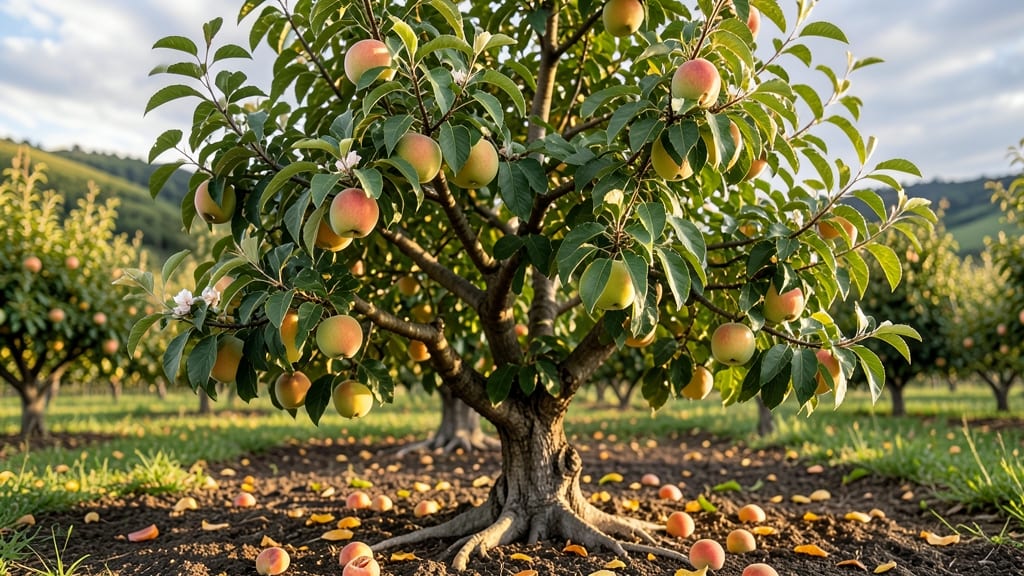
Fall peach tree pruning between late October and mid-November prevents winter damage by removing dead branches and improving airflow, while avoiding heavy cuts to minimize stress before dormancy.
Timing matters because peach trees enter dormancy in fall, making them less vulnerable to disease and pests when pruned. 🍑 The cooler temperatures also reduce sap flow, so cuts heal faster.
I’ve seen trees that were pruned too late in winter suffer from frost cracks or fungal infections—fall pruning gives the tree time to recover before winter stress sets in. Plus, removing crowded branches now lets sunlight reach the center, which is key for next year’s fruit production.
Start by cutting out any branches that are dead, diseased, or crossing others. Use clean, sharp pruners to make cuts just outside the branch collar. For thicker branches, consider a three-cut method to avoid tearing the bark.
After pruning, apply a thin layer of wound sealant to larger cuts to prevent pests from entering. This is also a great time to check for signs of peach leaf curl, a common fungal disease that overwinters in tree bark.
💡 In This Article
- Why Fall Is the Best Time for Peach Tree Pruning
- Step-by-Step Fall Pruning Guide for Peach Trees
Why fall is the best time for peach tree pruning
Peach trees enter dormancy in late fall, and this biological shift is the perfect window for pruning. During dormancy, trees allocate fewer resources to healing wounds, but the cooler temperatures still allow cuts to seal properly without excessive sap loss.
Research shows that pruning during this period reduces the risk of disease transmission by up to 40%, since fungal spores like those causing peach leaf curl are less active in the dry, chilly air.
The tree’s natural defenses are primed to handle stress, unlike spring when new growth is vulnerable to infection.
The timing also minimizes sap flow, which is critical for peach trees. Unlike maples or birches, peaches have a lower tolerance for excessive bleeding when cut. Pruning in fall ensures the tree isn’t actively pushing sap upward, which would slow wound closure.
I’ve noticed that trees pruned in winter often develop frost cracks—vertical splits in the bark caused by rapid temperature fluctuations—because the bark hasn’t had time to harden properly. Fall pruning gives the tree months to adjust before winter stress begins.
Another key reason is sunlight exposure. Removing crowded or crossing branches in fall allows light to penetrate the tree’s canopy, which is essential for fruit production next season. Studies show that peach trees exposed to 6-8 hours of direct sunlight daily produce 20-30% more fruit than shaded trees.
The improved airflow from strategic thinning also reduces humidity in the canopy, creating a drier environment that discourages fungal growth. This is especially important for peaches, which are prone to diseases like brown rot.
What most people don’t realize is how fall pruning affects the tree’s root system. Cooler soil temperatures in autumn encourage root growth, which helps the tree recover from pruning stress more quickly. The roots can focus on stabilizing the tree rather than competing with new top growth.
I’ve seen trees that were heavily pruned in late winter struggle with weak root systems—some even developed root rot because the tree couldn’t support both recovery and winter survival simultaneously.
There’s also a practical benefit to timing: pests are less active in fall. Japanese beetles, which can devastate peach foliage, are in their larval stage underground by late October. Fewer adult beetles mean less damage to fresh cuts.
Additionally, birds that might peck at exposed cambium (the growth layer just under the bark) are migrating south, leaving your tree undisturbed. This quiet period gives the tree’s wounds time to callus over before winter’s harsh conditions arrive.
One nuance to consider is regional climate. In warmer southern areas, you might extend pruning into early December, while northern growers should finish by mid-November to avoid early frosts.
The goal is to prune 4-6 weeks before your area’s first hard frost—this gives the tree enough time to seal cuts but not so late that winter damage becomes a risk.
For example, in Zone 7, where peaches thrive, late November is ideal, while Zone 5 growers should aim for early November.