
Lawn
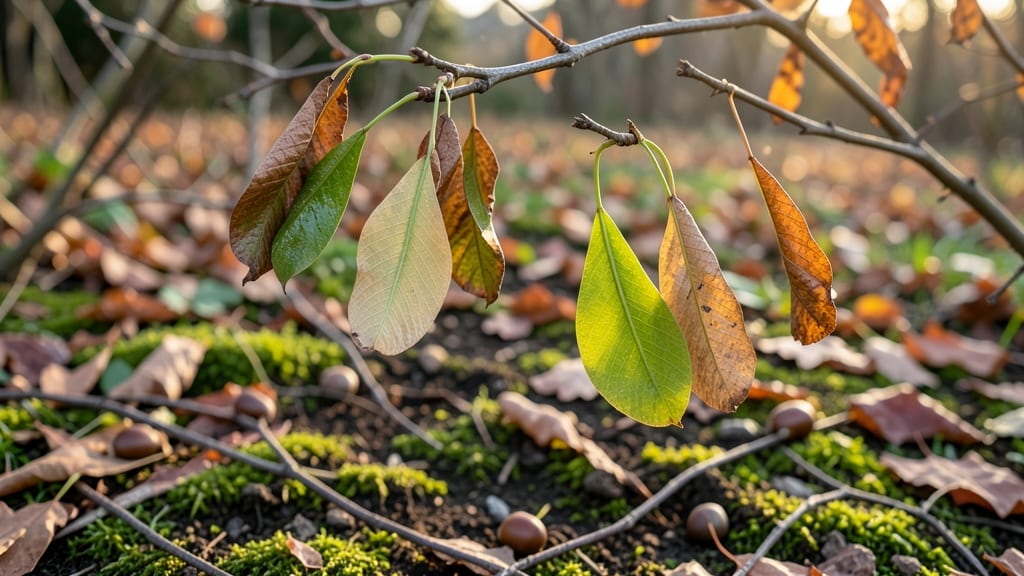
The identification of maple tree seed pods starts with spotting those iconic helicopter-shaped samaras fluttering to the ground in early spring. 🌿 The key is their distinctive winged design—two papery "helicopter blades" that spin as they fall, but sugar maple samaras are smaller and more delicate than silver maple's broader wings.
Confusing them with ash or elm pods? Look for the maple's signature V-shaped notch at the base where the wings meet.
Most gardeners collect them when they're fresh and green, around March-April, before they turn brown and brittle. Sugar maple samaras are about 1-2 inches long, while silver maple's can stretch to 3 inches with thicker, more robust wings.
The seed itself sits in the center where the wings meet—this central seed is what you'd plant for new trees, though germination takes patience (often 2-3 years in cold climates).
Here's the quick trick: hold a pod between your fingers and give it a gentle toss. Maple samaras spin like tiny helicopters, while ash or elm seeds fall straight down.
This simple test saves you from planting the wrong seeds—especially important if you're trying to grow native trees for wildlife support or shade.
The best part? These pods aren't just for propagation—they make stunning dried arrangements or natural decorations. Just avoid collecting from trees treated with pesticides, and you'll have both functional seeds and beautiful autumn decor. Ready to start spotting them?
Understanding Maple Seed Pod Growth
Maple trees produce those iconic winged seed pods—often called "helicopters"—as part of their natural reproductive cycle. While they’re a fascinating sight, their appearance and behavior depend on several key factors. Here’s why these pods develop the way they do, from biological triggers to environmental influences.
The formation of maple seed pods is hardwired into the tree’s genetics. Maple trees (Acer species) follow a predictable lifecycle where seed production ramps up as they mature—typically between 15 to 30 years old, depending on the species.
Younger trees may produce fewer or smaller pods, while older, healthier trees generate abundant crops.
💡 Pro Tip: If your maple tree isn’t producing pods, it might still be too young or stressed. Check for signs of disease, pests, or poor soil health, which can delay reproductive development.
Maple trees rely on specific environmental cues to trigger seed pod formation. The two biggest factors are:
- Day Length (Photoperiod): Maple trees are sensitive to daylight hours. As summer transitions to fall, shorter days signal the tree to prepare for winter—and seed production kicks into gear.
- Temperature Fluctuations: Cooler fall nights (below 60°F/15°C) combined with warmer days stimulate flower buds to form, which later develop into seed pods. Extreme heat or drought can disrupt this process.
🔥 Watch Out: If your area experiences unseasonably warm falls, the tree might delay pod formation or produce lower-quality seeds. Sudden freezes can also damage emerging flower buds before they mature.
Seed pods are energy-intensive to produce. A maple tree needs a steady supply of nitrogen, phosphorus, and potassium to fuel pod development. Poor soil conditions—like compacted or nutrient-deficient soil—can lead to:
- Smaller, underdeveloped pods
- Fewer pods overall
- Premature pod drop (abscission)
🌡️ Actionable Fix: Test your soil’s pH and nutrient levels (ideal range: 6.0–7.5). Amend with compost or a balanced fertilizer (e.g., 10-10-10) in early spring to support pod growth.
Most maple species (like sugar maple and red maple) are wind-pollinated, meaning they don’t rely on bees or butterflies. However, environmental factors can still affect pollination efficiency:
| Factor | Effect on Pods |
|---|---|
| Dry, windy conditions | Improves pollen dispersal → more pods |
| Humid or rainy weather | Pollen clumps together → poor pollination → fewer pods |
| Isolated trees | Less cross-pollination → weaker seed viability |
✨ Bonus Fact: Some maple species (like box elder) are insect-pollinated. If you notice bees visiting your tree’s flowers, that’s a good sign for future pods!
Once pods form, their development can be disrupted by:
- High winds: Can cause premature pod drop or damage wings, reducing dispersal success.
- Heavy rain: May lead to fungal infections (e.g., Anthracnose) or rot in the pods.
- Late frosts: Can kill flower buds before they open, halting pod production.
🎯 Preventative Tip: If your area is prone to late frosts, consider lightweight row covers over young trees in early spring to protect emerging buds.
Fixing Common Maple Seed Pod Issues
Once you’ve identified your maple tree’s seed pods (or samaras), you might still face challenges—whether it’s dealing with pests, overgrowth, or harvesting mishaps. Here’s how to tackle the most common problems with practical, step-by-step solutions.
---
If you spot holes, discoloration, or sticky residue on seed pods, pests or diseases could be the culprit.
#### 🔥 Treat Fungal Infections Cause: Excess moisture or poor air circulation encourages fungal growth (e.g., powdery mildew or anthracnose). Fix: - Prune for airflow 🌿 Trim dense branches to improve sunlight and ventilation. - Apply fungicide 💊 Use a copper-based or neem oil spray (follow label instructions). - Water at the base 💧 Avoid overhead watering to keep pods dry.
Prevention: 💡 Space trees properly (20-30 ft apart) and mulch with wood chips to reduce soil-borne fungi.
---
#### 🐛 Combat Insect Infestations Cause: Aphids, Japanese beetles, or borers may target seed pods or tree health. Fix: - Handpick pests 👨🍳 Remove visible beetles or larvae by shaking branches over a bucket of soapy water. - Use insecticidal soap 🧼 Spray affected areas (test on a small branch first). - Encourage natural predators 🐞 Plant marigolds or ladybug-friendly flowers nearby.
Prevention: ✨ Inspect trees monthly during peak pest seasons (spring/summer) and remove fallen pods promptly.
---
Seed pods can clutter yards, gutters, or driveways—here’s how to clean up safely.
#### 🍂 Clear Fallen Pods Efficiently Cause: Heavy seed drop creates slip hazards or blocks drainage. Fix: - Rake regularly 🪒 Use a leaf rake to gather pods into piles for composting or disposal. - Install gutter guards 🏠 Prevent clogs by adding fine-mesh screens over downspouts. - Mulch strategically 🌱 Spread a thick layer of mulch under the tree to reduce seed spread.
Pro Tip: 🌡️ Time your cleanup—pods dry and fall most heavily in late summer to early fall.
---
#### 🔪 Prune for Better Pod Control Cause: Overgrown branches produce excess pods, worsening mess. Fix: - Trim in late winter ⏰ Prune before bud break (Feb–March) to shape the tree and reduce future pods. - Focus on lower branches 🌿 Remove limbs within 6–8 ft of the ground to minimize yard clutter. - Hire a pro if needed 👨🌾 For large trees, consult an arborist to avoid damaging the tree.
Prevention: 🎯 Thin the canopy by 20–30% to improve airflow and reduce seed production.
---
If you’re collecting pods for crafts, wildlife, or propagation, avoid these pitfalls.
#### 🍁 Harvest at the Right Time Cause: Premature or overripe pods may not be viable. Fix: - Pick when dry and brown 🍂 Wait until pods turn tan/brown (usually September–October). - Use pruning shears ✂️ Cut clusters gently to avoid damaging the tree. - Store in breathable bags 📦 Place pods in paper bags or mesh sacks in a dry, cool spot.
Warning: ⚠️ Never harvest from diseased trees—contamination can spread to your collection.
#### 🐦 Avoid Harming Wildlife Cause: Over-harvesting can starve birds (e.g., goldfinches) that rely on seeds. Fix: - Leave some pods 🐦 Leave 50% untouched for wildlife, especially in winter. - Offer alternatives 🍎 Supplement with birdseed if you harvest heavily. - Check local regulations 📜 Some areas protect maple trees—verify before large-scale removal.
--- Final Reminder: 💡 Most issues stem from neglect or over-intervention. A little prevention—like pruning, monitoring, and seasonal cleanup—goes a long way in keeping your maple tree healthy and your yard tidy!
Frequently asked questions
How can I tell if a seed pod is from a sugar maple vs. silver maple?
Sugar maple pods are smaller (1-2 inches) with delicate, paper-thin wings and a subtle V-notch at the base. Silver maple pods are larger (2-3 inches) with thicker, more robust wings and a wider notch. Toss them—the sugar maple's lighter pods spin faster like tiny helicopters!
Why do some maple seed pods fall early while others stay on the tree?
Early pod drop often signals stress—drought, poor soil, or pest damage. Healthy pods stay until September-October when they turn brown. If you see premature falling, check for fungal infections (like anthracnose) or aphid infestations, which weaken the tree's energy supply to the pods.
Can I plant maple seed pods I find on the ground?
Yes, but freshness matters! Collect pods when they're dry and brown (not green). Plant them 1/4 inch deep in well-draining soil. Germination takes 2-3 years in cold climates—stratification (mixing pods with moist sand and refrigerating for 60 days) speeds it up.
Are there any toxic look-alikes to maple seed pods?
Ash tree seeds (samaras) resemble maple pods but have straight, parallel wings (maple wings form a V). Box elder pods are smaller with uneven wings. Never confuse with poison ivy berries—those grow in clusters, not winged pods. Always test by tossing: maple pods spin!
How can I use fallen maple seed pods in my garden?
Beyond planting, use them for winter bird feeders (hang clusters) or dried arrangements. Crush dried pods into mulch for nitrogen-rich decomposition. For crafts, paint them or string them into wind chimes. Just avoid composting large quantities—they decompose slowly.