
Pruning
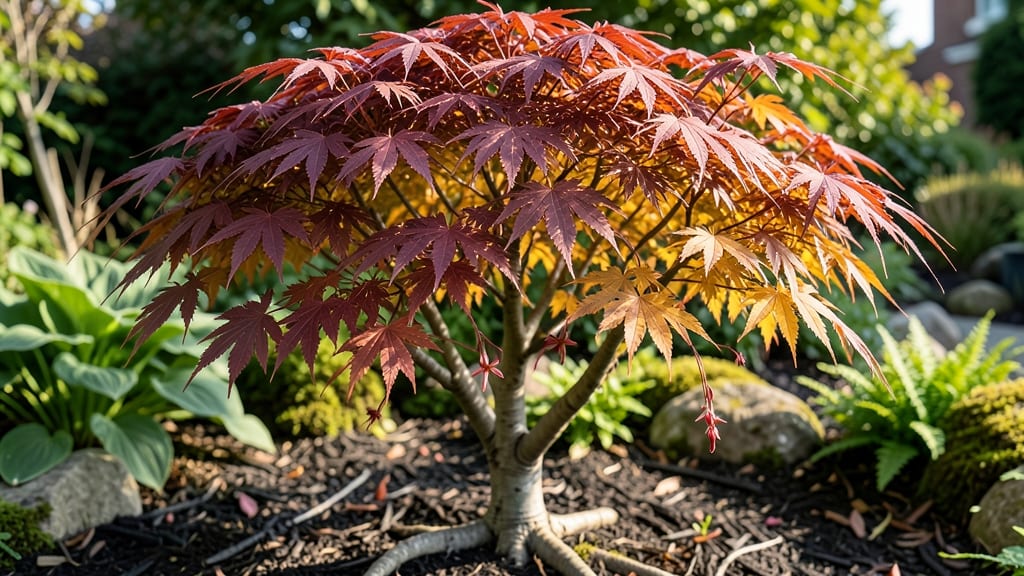
The japanese maple tree colors in autumn transform your garden into a living watercolor painting. 🌿 From fiery reds to deep purples, these trees offer a seasonal palette that outshines any artificial display.
My first encounter with a brilliant ‘Bloodgood’ in October made me realize how much a single tree could elevate a landscape. The magic lies in their color diversity—some stay green all season, while others shift through peach, orange, and crimson.
Pair a vibrant ‘Emperor I’ with creamy white birch bark for striking contrast, or let a variegated ‘Shishigashira’ blend soft pinks and greens into the background. The key is placement: position them where their colors will be seen from house windows or patio seating.
You’ll create a year-round show with minimal effort—spring’s delicate blossoms, summer’s lush green, and autumn’s fiery finale. Even winter brings beauty as the skeletal branches create intricate silhouettes against the sky. The best part? Their compact size makes them perfect for small yards or as standalone statement pieces.
For maximum impact, avoid harsh afternoon sun which can fade colors faster. Instead, plant them in dappled light where their foliage can truly shine. Whether you’re designing a tranquil Japanese garden or a bold modern landscape, these trees deliver drama with grace.
📚 In This Guide
- What you need
- Instructions
- Tips and common mistakes
- Wrapping up and next steps
What you need
- ● Pruning shears: Bypass pruners (sharp, 6-8" blades) for clean cuts on small branches.
- ● Loppers: 8-10" bypass or anvil for thicker branches (up to 2" diameter).
- ● Pruning saw: Curved-tooth for branches over 2" thick (avoid crushing bark!).
- ● Disinfectant: 70% isopropyl alcohol or rubbing alcohol (1 small bottle) to sterilize tools between cuts.
- ● Gloves: Heavy-duty gardening gloves (cut-resistant for thorns or rough bark).
- ○ Pruning sealant: Optional but helpful (e.g., Tanglefoot Tree Wound Pruning Seal) for large cuts.
- ● Bucket or bag: For collecting debris (5-gallon bucket or mesh bag).
- ● Ladder or stool: Sturdy, extendable (if your tree is over 6 ft tall).
- ● Weather check: Prune on a dry, overcast day (avoid wet or windy conditions).
- ● Timing: Late winter/early spring (just before buds swell) for major pruning; light trimming can happen in early autumn to encourage color.
- ● Tree health: Inspect for diseases (e.g., tar spot, verticillium wilt)—avoid pruning if signs are present.
- ● Safety gear: Safety glasses (for debris) and closed-toe shoes.
How to maximize Japanese maple autumn colors in your garden
Japanese maples transform gardens into fiery canvases—here’s how to coax their legendary fall hues.
🌿 Step 1: Choose the Right Variety for Your Climate
Not all Japanese maples perform equally in autumn. If you live in USDA zones 5-7, opt for ‘Bloodgood’ or ‘Emperor I’—their deep reds and purples hold color longest. For zones 6-9, ‘Shishigashira’ delivers brilliant orange-reds that last through winter. I always check the mature height too—‘Green Dragon’ stays compact at 6-8 feet, while ‘Black Tiger’ can reach 15-20 feet.
Here’s the thing—cool nights and 40-50°F temperatures trigger the best color change. If your area gets hot summers, plant in a spot with afternoon shade to prevent leaf scorch. Mulch with 3-4 inches of organic matter (like the shredded bark you’ll use later) to insulate roots and maintain steady soil temps.
☀️ Step 2: Plant in Full Sun to Partial Shade
Japanese maples need at least 4-6 hours of direct sun daily for vibrant fall colors, but too much scorching sun fades their brilliance. I plant mine where they get morning sun and afternoon shade—think east-facing beds or under high-canopy trees. In hotter climates, dappled shade all day works better than full sun.
Dig a hole twice as wide as the root ball but no deeper—this prevents root suffocation. Amend the native soil with compost (mix in 1 part to 3 parts native soil) to improve drainage. Water deeply right after planting to settle the roots—you’ll know it’s right when the soil feels moist 6 inches down.
💧 Step 3: Water Deeply and Consistently
Japanese maples hate soggy roots but also wilting stress, which dulls fall colors. Water once a week in spring/fall, but every 3-4 days during summer heat. The key is deep watering—soak the soil until it’s damp 12 inches down. I use a soaker hose to avoid wetting leaves, which prevents fungal diseases like anthracnose.
Mulch heavily (use that 3-4 inches of shredded bark) to lock in moisture and regulate soil temperature. Refresh the mulch layer in early spring—never let it touch the trunk, or it’ll rot. You’ll see the difference: healthy trees develop richer fall colors because they’re not struggling for water.
✂️ Step 4: Prune Strategically in Late Winter
Prune Japanese maples only in late winter (February-March) before new growth starts. Remove dead, crossing, or weak branches first—these compete with healthy growth. For shaping, cut back no more than 25% of the canopy at a time. I always use clean, sharp pruners to make slanted cuts just above a bud (about ¼ inch above).
Here’s where it gets tricky: Avoid heavy pruning in fall—it stresses the tree and reduces next year’s color intensity. If you must prune for safety (like low-hanging branches), do it 6-8 weeks before the first frost. Seal larger cuts (over ½ inch thick) with pruning sealant to prevent disease entry.
🌱 Step 5: Fertilize for Vibrant Fall Foliage
Japanese maples aren’t heavy feeders, but a balanced fertilizer in early spring boosts color. Use 10-10-10 at ½ the recommended rate (about ¼ cup per inch of trunk diameter). I skip phosphorus-heavy fertilizers—they encourage leafy growth at the expense of brilliant fall hues. Instead, focus on potassium-rich amendments like wood ash (1 cup per tree) in early autumn to enhance red/purple tones.
Water the fertilizer in well, then mulch again to lock nutrients in. Avoid fertilizing after mid-summer—new growth won’t harden off before frost, and the tree may produce weak, colorless leaves. You’ll notice the difference in September: trees with proper feeding develop deeper, longer-lasting colors.
Tips & Tricks for perfect Japanese maple autumn foliage
Here's what nobody tells you about making your Japanese maples pop this fall—these small details make all the difference.
Variety Matters: When selecting your tree, consider not just color but also your garden's mature size. A ‘Bloodgood’ might look stunning in a small courtyard, but its mature height of 15-20 feet could overwhelm the space. For tight spots, ‘Green Dragon’ with its 6-8 feet height and vibrant reds is perfect. I learned this the hard way after watching a ‘Black Tiger’ outgrow its planting spot in just three years.
Timing is Everything: The 40-50°F temperature range mentioned in Step 1 is your color trigger—don't rush planting in spring just to get it in the ground. Wait until after the last frost when soil temperatures consistently stay above 50°F for at least a week. This ensures your tree establishes strong roots before the fall color show begins. I've seen trees planted too early struggle with poor color development because they're still recovering from transplant shock.
Soil Science: The 1 part compost to 3 parts native soil ratio in Step 2 is crucial for drainage, but don't stop there. Test your soil's pH—Japanese maples prefer slightly acidic soil between 5.0-6.5. If your soil is alkaline, add sulfur or peat moss to lower the pH before planting. I've noticed trees in alkaline soil develop duller fall colors because they can't absorb nutrients efficiently.
Color-Enhancing Tricks: For those red/purple tones you want to enhance, add 1 cup of wood ash around the base in early autumn (as mentioned in Step 5). This isn't just about potassium—it also helps neutralize any remaining alkaline soil. But here's the secret: mix the wood ash with 3-4 inches of shredded bark mulch to prevent it from blowing away. I've seen dramatic color improvements in trees that received this treatment compared to those that didn't.
Pro Tips for Japanese Maple Tree Colors
- Here's what nobody tells you about making your Japanese maples pop this fall—these small details make all the differe...
- Variety Matters: When selecting your tree, consider not just color but also your garden's mature size. A ‘Bloodgood’ ...
- Timing is Everything: The 40-50°F temperature range mentioned in Step 1 is your color trigger—don't rush planting in ...
Frequently asked questions
Got questions about the stunning Japanese maple tree colors and how to keep them vibrant? Here are some answers to common queries to help you make the most of your foliage masterpiece!
When do Japanese maple trees reach their peak fall colors?
The best Japanese maple tree colors typically appear between mid-to-late October and November, depending on your climate. Cooler nights and crisp air trigger the shift from green to fiery reds, oranges, and purples. Monitor local weather—early frosts can intensify hues faster!
Why are my Japanese maple leaves turning brown instead of their usual vibrant colors?
Brown leaves often signal stress from drought, poor soil, or disease. Ensure your tree gets consistent moisture (but avoid waterlogging) and well-draining soil. Yellowing edges? Check for nutrient deficiencies (like iron or magnesium) or fungal issues—prune affected branches to improve airflow.
Can I plant a Japanese maple in full sun and still get great fall colors?
While some varieties (like ‘Bloodgood’) tolerate sun, partial shade (4–6 hours of light) enhances deeper colors. Full sun can cause leaf scorch or faded hues. For maximum vibrancy, plant in morning sun + afternoon shade—especially in hot climates.
Are there Japanese maple alternatives with similar fall colors but less maintenance?
Yes! Try:
- ‘Emperor I’: Compact, disease-resistant, and bursts with crimson-red foliage.
- ‘Autumn Moon’: Pale pink leaves that turn peachy-orange—great for shade gardens.
- ‘Shishigashira’: Unique cascade habit with bright red fall colors.
Will Japanese maples keep their colors through winter?
Most varieties lose leaves by late winter, but some (like ‘Shishigashira’) retain stunning bare branches with peeling bark that adds winter interest. For year-round color, pair with evergreen shrubs or winterberry holly.
Still curious? Drop your questions in the comments—we’re happy to help your Japanese maple shine!
Wrapping up and next steps
The Japanese maple tree’s autumn colors are a breathtaking masterpiece—whether you’re drawn to fiery reds, deep purples, or golden hues, these trees bring unmatched beauty to any garden. 🌿 With the right care, pruning, and attention to seasonal needs, you can ensure your tree thrives and dazzles year after year.
Ready to elevate your outdoor space? Start by planting your chosen variety this season—whether it’s the classic ‘Bloodgood’ or the delicate ‘Emperor I’—and watch as your garden transforms into a living work of art. Happy gardening! 🌈