
Pruning
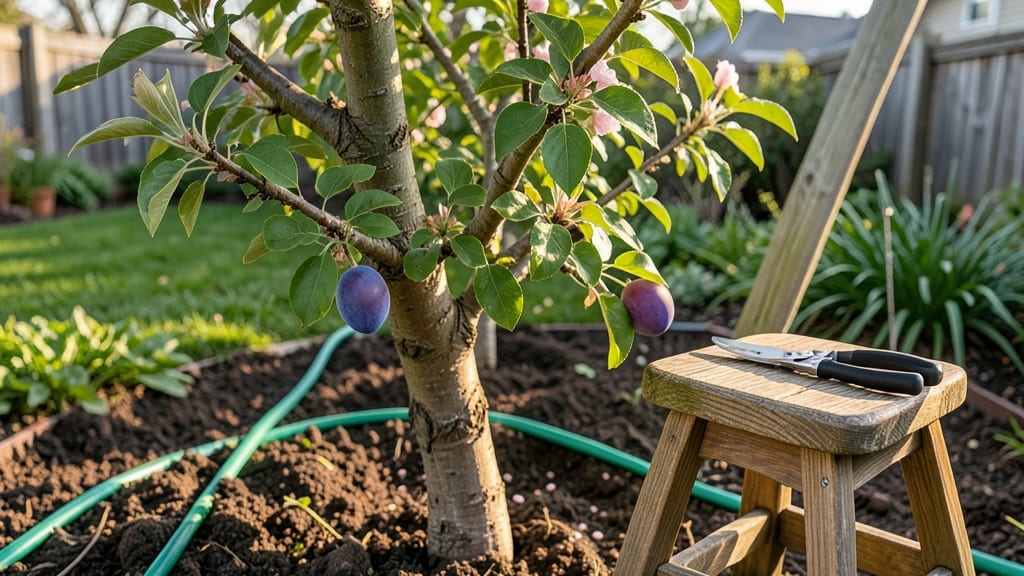
Caring for a Japanese plum tree means waking up to fragrant blossoms that outshine any store-bought bouquet. 🌸 I’ve watched mine transform from a bare branch to a lush canopy with just a few simple seasonal adjustments—no fancy pruning skills required.
The secret lies in understanding its natural rhythms rather than fighting them.
This tree thrives in zones 5-9, where winter chills actually improve next year’s fruit. Plant it in well-draining soil with afternoon shade to prevent sunburn on tender fruit.
Water deeply once a week after establishment, but let the top inch of soil dry between waterings—overwatering is the fastest way to lose one. The key is patience: Japanese plums reward consistent care with sweet, juicy fruit by late summer.
Pruning isn’t about sculpting—it’s about opening the tree to sunlight and air. Cut back dormant branches in late winter to remove dead wood and shape the canopy, but leave at least half the branches intact.
The tree’s natural shape produces more fruit than aggressive pruning ever will. By summer, you’ll see plums forming where sunlight reaches the branches.
Pests like aphids and borers are rare but show up when stress sets in. A strong tree resists them naturally, so focus on proper watering and mulching. Harvest plums when they yield slightly to pressure—ripe fruit falls within days.
With minimal effort, your tree will produce decades of blooms and harvests, becoming the centerpiece of your garden.
📚 In This Guide
- What you need
- Instructions
- Tips and common mistakes
- Wrapping up and next steps
What you need
- ● Japanese plum tree (Prunus mume) – Choose a dwarf or semi-dwarf variety (e.g., 'Barett' or 'Fruitscents') for easier care.
- ● Well-draining soil mix – A blend of 60% topsoil, 30% compost, and 10% perlite/sand (pH 6.0–7.0).
- ● Organic mulch – 3–4 inches of wood chips or straw to retain moisture and suppress weeds.
- ● Balanced fertilizer – 10-10-10 or 20-20-20 NPK (apply in early spring and fall).
- ● Pruning shears – Bypass pruners (sharp, 6–8" blades) for clean cuts.
- ● Gloves & long sleeves – Thorns can be sharp! Opt for gardening gloves with reinforced palms.
- ● Watering can or hose with a gentle nozzle – Deep watering (1–2 gallons per tree, 2–3x/week).
- ● Tree support stake – Useful for young trees in windy areas (5–6 ft bamboo or metal stakes).
- ● Fruit thinning shears – For shaping fruit clusters (if growing edible varieties).
- ● Disease-resistant spray – Copper fungicide (prevents bacterial spots or powdery mildew).
- ● Slow-release fertilizer tablets – Convenient for seasonal feeding.
- ● Tree wrap or frost cloth – Protects young bark in winter (for zones 6–8).
Step-by-Step instructions for Japanese plum tree care
Here's the simple routine that keeps my Japanese plum trees blooming beautifully with almost no fuss.
🌱 Step 1: Plant in Well-Draining Soil with Full Sun Exposure
Japanese plums thrive in full sun (6-8 hours daily) and soil that drains quickly to prevent root rot. I dig a hole twice as wide as the root ball but only as deep as the container it came in. The top of the root ball should sit 1-2 inches above ground level—this prevents water pooling at the stem.
Mix the removed soil with a handful of compost or aged manure to enrich it without compacting. Gently loosen the roots if they're circling and spread them outward in the hole. Backfill with the amended soil, pressing lightly to remove air pockets but not compacting too firmly.
☀️ Step 2: Water Deeply After Planting and Maintain Consistent Moisture
Water the tree immediately after planting to settle the soil around the roots. Give it 1-2 gallons of water depending on the tree's size, soaking the root zone completely. The soil should feel damp 6 inches down—stick your finger in to check.
For the first year, keep the soil consistently moist but never soggy. Water 2-3 times per week in dry weather, adjusting based on rainfall. Once established (after 1-2 years), Japanese plums tolerate drought better, but they still need 1 inch of water weekly during dry spells. Mulch around the base with 2-3 inches of organic mulch to retain moisture and regulate soil temperature.
✂️ Step 3: Prune Only When Necessary During Dormant Season
I prune my Japanese plum trees only in late winter or early spring (February-March), before buds swell but while the tree is still dormant. Remove any dead, diseased, or crossing branches first—these are easy to spot as they're brown, brittle, or growing inward.
Next, thin out crowded branches to improve airflow. I look for branches that are rubbing against each other or growing straight up from the main trunk. Cut these back to the nearest outward-facing bud using clean, sharp pruners. Avoid heavy pruning—never remove more than 25% of the canopy at once, as this stresses the tree.
🌿 Step 4: Fertilize Lightly in Early Spring and Monitor for Pests
In early spring, just as new leaves begin to form, I apply a balanced, slow-release fertilizer (10-10-10) around the drip line of the tree. Use about ½ cup per inch of trunk diameter. Water the tree thoroughly after applying to help the fertilizer reach the roots.
Japanese plums rarely have pest issues, but I keep an eye out for aphids or scale insects on new growth. If I spot them, I spray the tree with a soapy water solution (1 tsp mild dish soap per gallon of water). Avoid chemical pesticides—they can harm beneficial insects and the tree itself.
⏰ Step 5: Enjoy the Blooms and Prepare for Fruit (If Desired)
The real reward comes in late winter to early spring when the tree bursts into stunning blossoms. If you want fruit, leave some flowers on the tree—plums need cross-pollination, so plant another variety nearby if you're not already growing one.
After the blooms fade, remove any fruit that appears unless you're intentionally growing plums. Japanese plum trees produce small, tart fruit that's not typically eaten fresh but makes great preserves. Thin fruit clusters to 6-8 inches apart if you do want to harvest, as this improves size and quality. The tree will reward you with vibrant fall foliage and a striking winter silhouette if you keep up this minimal care routine.
Tips & tricks for perfect Japanese plum tree care
Took me years to figure out these simple tricks that keep my Japanese plum trees thriving with minimal effort.
Sunlight Secret: The 6-8 hours of daily sunlight in Step 1 is non-negotiable—these trees absolutely refuse to bloom well in partial shade. I've seen neighbors' trees in shadier spots produce half the flowers and fruit. If your yard only gets 4-5 hours of sun, consider planting near a south-facing wall or fence that reflects extra light. Watch for leaves turning yellow in fall—this is your first sign the tree isn't getting enough light.
Watering Wisdom: That 1-2 gallons of water immediately after planting? Don't skip it! I've seen trees wilt dramatically just 24 hours after planting when this step was missed. For the first year, I set a garden hose on a gentle drip near the base for 10 minutes every other day during dry spells—this mimics natural rainfall better than occasional deep watering. The damp 6 inches check is crucial: if it feels dry, water again immediately.
Pruning Precision: When you're thinning branches in Step 3, look for what I call "the 45-degree rule"—branches growing straight up from the trunk at sharp angles are prime candidates for removal. These vertical growers compete with horizontal branches for sunlight and nutrients. Also, always cut just above an outward-facing bud (about 1/4 inch above) to encourage new growth in the right direction. I keep a small notebook by my pruners to track which branches I remove each year—it helps me spot patterns over time.
Fertilizer Timing: That ½ cup of 10-10-10 fertilizer per inch of trunk diameter is perfect, but here's the kicker: apply it when you see the first tiny pink buds forming, not when leaves appear. Early spring is when the tree is about to put all its energy into blooms and new growth. I water the tree thoroughly after applying to prevent fertilizer burn—this is especially important if you have clay soil that can become too concentrated with salts.
Pro Tips for Japanese Plum Tree Care
- Took me years to figure out these simple tricks that keep my Japanese plum trees thriving with minimal effort.
- Sunlight Secret: The 6-8 hours of daily sunlight in Step 1 is non-negotiable—these trees absolutely refuse to bloom well in partial shade.
- Watering Wisdom: That 1-2 gallons of water immediately after planting?
Frequently asked questions
Got questions about keeping your Japanese plum tree happy with minimal fuss? You’re not alone! Here are answers to the most common concerns—from pruning to pests—so you can enjoy your tree’s beauty year-round.
When is the best time to prune a Japanese plum tree?
Prune your Japanese plum tree late winter or early spring (before buds swell), ideally between February and March. This timing promotes healthy growth and prevents disease. Avoid pruning in fall or summer, as it can stress the tree or invite pests. Pro tip: If you missed the window, a light pruning in late spring (after flowering) is better than nothing!
How cold-hardy are Japanese plum trees?
Most varieties tolerate USDA Zones 5-9, meaning they can handle winters down to -20°F (-29°C). However, young trees or tender buds may need winter protection (like burlap wraps) in colder zones. Choose Prunus mume cultivars like ‘Barely Plum’ for extra resilience!
What pests or diseases should I watch for?
Japanese plum trees are generally low-maintenance, but keep an eye out for:
- Plum curculio beetles: Trap them with sticky bands or use neem oil.
- Powdery mildew: Improve airflow and spray with fungicide if needed.
- Bacterial leaf spot: Remove infected leaves and avoid overhead watering.
Can I grow a Japanese plum tree in a container?
Yes! Dwarf varieties like ‘Shirotae’ thrive in containers (15+ gallon pots). Use well-draining soil, repot every 2–3 years, and place in full sun. Just remember: Container trees need more frequent watering and may produce smaller fruit. Move pots indoors during harsh winters if needed!
Will my Japanese plum tree produce edible fruit?
While not as sweet as European plums, Japanese plums (Prunus mume) yield tart, aromatic fruit perfect for jams, sauces, or fermenting (like umeboshi). Some varieties, like ‘Methley’s Red’, are self-fertile, but planting two trees ensures better pollination. Warning: Fruit may drop if overloaded—thin clusters in summer for larger plums!
Wrapping up and next steps
Caring for your Japanese plum tree is a rewarding journey that blends beauty with simplicity—especially when you focus on minimal pruning and seasonal attention. 🌸 With the right techniques, you’ll enjoy stunning blooms and lush foliage year after year, all while keeping maintenance effortless.
Now that you’re armed with expert tips, take the next step: grab your pruners, schedule a quick check-in with your tree, and watch it thrive with confidence!