
Pruning
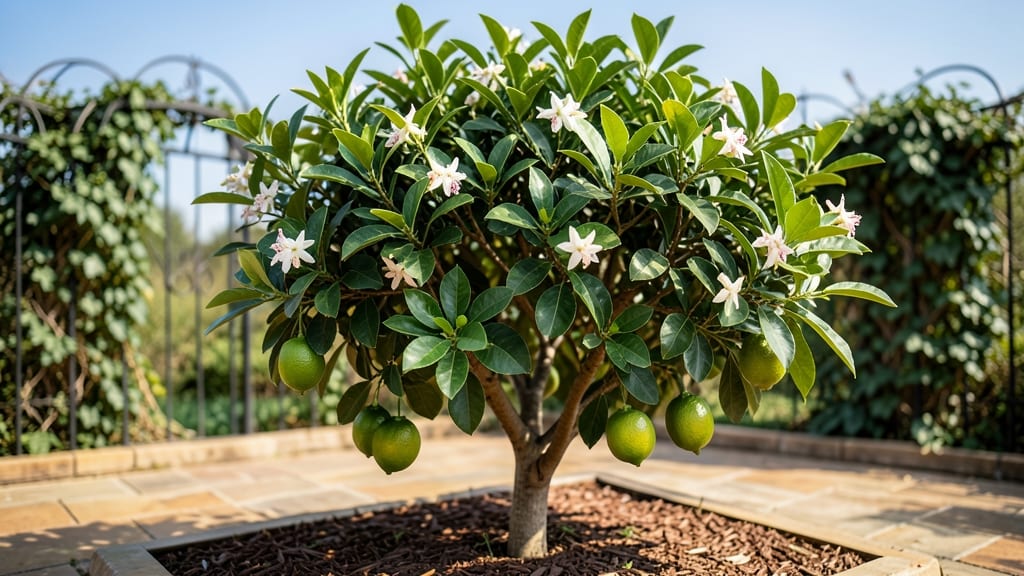
Growing a key lime tree in a pot means sweet, tangy fruit on your patio within a few years. 🌿 I learned the hard way that these trees need more than just sunshine—they crave the right soil, a roomy enough container, and a winter plan to survive chilly nights.
My first tree nearly died when I skipped the winter care, but now it’s loaded with limes and thriving.
The secret starts with a 5-gallon pot (minimum) filled with fast-draining citrus mix—think 60% potting soil, 30% perlite, and 10% compost. Place it in full sun (at least 6 hours daily) where temperatures stay above 40°F at night.
Water when the top inch of soil feels dry, but never let it sit soggy. Overwatering is the #1 killer of potted citrus.
By summer, you’ll see glossy new leaves and maybe even tiny limes forming. Prune lightly after harvest to shape the tree and encourage airflow—just snip back any leggy growth.
The real magic happens in year 3 or 4, when your tree becomes a lush, fruiting powerhouse. Frost? Move it indoors or wrap the pot in bubble wrap.
This method works for balconies, patios, or even sunny windowsills (with grow lights). The only trade-off? Potted trees need annual repotting to prevent root-bound stress. Trust me, the first time you squeeze fresh key limes into homemade pie, you’ll forget the extra work ever mattered.
📚 In This Guide
- What you need
- Instructions
- Tips and common mistakes
- Wrapping up and next steps
What you need
- ● Pot: A 5-gallon or larger container with drainage holes (plastic, ceramic, or fabric grow bags). Pro tip: 💡 Use a pot with a saucer to catch excess water!
- ● Well-draining potting mix: A blend of cactus/succulent mix (60%) + perlite/pumice (20%) + compost (20%). Avoid heavy garden soil!
- ● Key lime tree: A dwarf variety (like ‘Meyer’ or ‘Florida Key lime’) from a nursery or online citrus specialist.
- ● Pruning tools: Bypass pruners (for clean cuts)
- ● Sharp hand pruners (for small branches)
- ● Disinfectant (rubbing alcohol or bleach solution) to sterilize tools
- ○ Support: A small bamboo stake or trellis (optional but helpful for young trees)
- ● Slow-release citrus fertilizer (e.g., Osmocote or Espoma Citrus-Tone)
- ● Mulch (e.g., orchid bark or gravel to retain moisture)
- ● pH testing kit (ideal range: 5.5–6.5 for key limes)
- ● Citrus-specific fungicide (e.g., copper fungicide for prevention)
- ● Humidity tray (pebble tray with water for tropical vibes!)
Step-by-step instructions for growing a key lime tree in a pot
Here’s how to nurture a thriving key lime tree—even in small spaces—with minimal fuss.
🪴 Step 1: Choose the Right Container and Drainage
Start with a 5-gallon pot (minimum) with drainage holes—key lime trees need room for roots to spread, but they’re adaptable to containers. I use unglazed terra cotta because it breathes and prevents root rot, but plastic works too if you drill extra holes. Add a 2-inch layer of gravel at the bottom to improve drainage and prevent soggy roots.
If your pot lacks drainage, place it on feet or casters to keep it off wet surfaces. Key limes hate wet feet—waterlogged roots will turn brown and mushy within days. Test your setup by filling the pot with water; if it drains within 10 minutes, you’re good to go.
🌱 Step 2: Plant in Well-Draining Soil and Position for Sun
Fill the pot with a mix of equal parts potting soil, perlite, and compost—this keeps roots aerated and mimics the tree’s native sandy soil. Gently remove the young key lime from its nursery pot and place it in the center, ensuring the root flare (where roots meet the trunk) sits just above soil level. Fill gaps with soil, pressing lightly to remove air pockets.
Key limes thrive in full sun (6+ hours daily). A south- or west-facing spot is ideal, but if you’re in a shaded area, supplement with a grow light for 8 hours daily. You’ll know it’s getting enough light when new leaves are bright green and compact—leggy growth means it’s stretching for more sun.
💧 Step 3: Water Deeply and Establish a Routine
Water deeply until it drains from the bottom, then wait until the top 2 inches of soil feel dry before watering again. Overwatering is the #1 killer—key limes prefer dry spells between drinks. I check moisture by sticking my finger in the soil; if it’s damp past the first knuckle, hold off.
Fertilize every 2 months with a balanced citrus fertilizer (like 6-6-6) during spring and summer. Skip winter feeding—your tree’s dormant, and extra nutrients just encourage weak growth. You’ll see the difference in shiny, vibrant leaves and fewer dropped buds.
✂️ Step 4: Prune for Shape and Fruit Production
Prune in late winter or early spring before new growth starts. Remove dead, crossing, or overcrowded branches with clean cuts just above a leaf node. I also trim back any leggy growth to encourage bushier shape—key limes fruit better when they’re compact. Sterilize shears with rubbing alcohol between cuts to prevent disease.
Watch for small white flowers in spring—they’ll turn into limes in 6-9 months. If you don’t see flowers, your tree might need more sun or a light winter chill (40-50°F for a few nights). A fan blowing gently on the tree can help pollinate flowers if bees aren’t visiting.
☀️ Step 5: Overwinter and Protect from Cold
Key limes are tropical—temperatures below 30°F will kill them. Move your pot indoors near a sunny window or under grow lights when nights dip below 50°F. Reduce watering by half in winter, as growth slows. You’ll notice slower leaf drop and fewer new shoots—this is normal.
If you’re in a mild climate, wrap the pot in burlap and place it in a sheltered spot. Even a frost-free garage with a grow light works. The goal is to keep roots from freezing; a thermometer in the soil helps track temps. With care, your tree will rebound in spring, ready to fruit again.
Tips & tricks for perfect key lime tree in pot
Here's what I've learned after growing my own key lime tree—these tricks make all the difference for container citrus.
Container Size Matters: That 5-gallon minimum is non-negotiable for the first year. I started with a 3-gallon pot by mistake and my tree struggled to establish roots. If you're dreaming of fruit sooner, upgrade to a 7-gallon pot when your tree reaches 18 inches tall—it gives roots room to spread and produces more flowers.
Soil Mix Secret: The equal parts potting soil, perlite, and compost creates the perfect balance. I found that adding a handful of sand (about 1 cup) to the mix mimics the tree's native Florida soil even better. This prevents compaction and keeps roots happy. Pro tip: Sterilize your soil mix by baking it at 200°F for 30 minutes to kill any pests before planting.
Lighting Hacks: For indoor grow lights, I use a full-spectrum LED bulb on a timer for those 8 hours. Position it 6-12 inches above the tree—too close and you'll burn leaves, too far and it won't be effective. Rotate your pot every few days so all sides get even light exposure. In winter, supplement with a sun lamp if natural light drops below 4 hours daily.
Winter Care Strategy: When temperatures dip below 50°F, I move my pot to a garage with a window rather than indoors. The cooler garage temps help simulate the natural winter chill these tropical trees need to flower. Just keep it away from drafts and cold walls—consistent temps between 40-50°F work best for triggering bloom.
Pro Tips for Key Lime Tree In Pot
- Here's what I've learned after growing my own key lime tree—these tricks make all the difference for container citrus.
- Container Size Matters: That 5-gallon minimum is non-negotiable for the first year.
- Soil Mix Secret: The equal parts potting soil, perlite, and compost creates the perfect balance.
Frequently asked questions
Got questions about growing a key lime tree in a pot?
You’re not alone! Here are answers to the most common queries to help you nurture your citrus dream with confidence.
How much sunlight does a potted key lime tree need daily?
A key lime tree thrives with 6–8 hours of direct sunlight per day. Place it near a south- or west-facing window or use a grow light if indoors. In hot climates, afternoon shade prevents leaf scorch. Pro tip: Rotate the pot weekly for even growth!
How often should I water my potted key lime tree?
Water when the top 1–2 inches of soil feel dry (usually 1–2 times per week, more in summer). Overwatering causes root rot—ensure pots have drainage holes! Bonus: Mature trees tolerate slight drought better than young ones.
Can I grow a key lime tree indoors year-round?
Yes, but it needs bright light, humidity (50%+), and warm temps (60–85°F). A greenhouse or sunny porch works best. If outdoors, bring it inside before temps drop below 50°F. Watch for: Yellow leaves = too much cold or water.
What’s the best potting mix for a key lime tree?
Use a well-draining mix like 60% potting soil, 20% perlite, and 20% sand or orchid bark. Avoid heavy clay soil—it suffocates roots. Repot every 2–3 years in spring for fresh nutrients!
Why aren’t my key lime tree’s leaves turning yellow?
Yellow leaves often signal overwatering, nutrient deficiency, or pests. Check soil moisture, fertilize with citrus-specific food (every 2–3 months), and inspect for aphids or scale. Quick fix: Trim affected leaves and adjust care.
When will my potted key lime tree produce fruit?
Patience is key! Trees grown from seed may take 5–10 years to bear fruit, while grafted trees can produce in 2–3 years. Ensure full sun, proper pruning, and cross-pollination (hand-pollinate with a brush if needed).
Wrapping up and next steps
Growing a key lime tree in a pot is a rewarding journey that brings a taste of tropical sunshine to your balcony, patio, or windowsill!
With the right care—sunlight, well-draining soil, and occasional pruning—you’ll enjoy fresh, zesty key limes straight from your own mini orchard. Don’t let small spaces stop you: this citrus gem thrives in containers and delivers big flavors!
Ready to take the next step? Start small:
- Pick your pot and soil mix today.
- Plant your tree and watch it grow—one leaf (and lime!) at a time.
- Share your progress with fellow plant lovers for extra motivation!