
Light Requirements
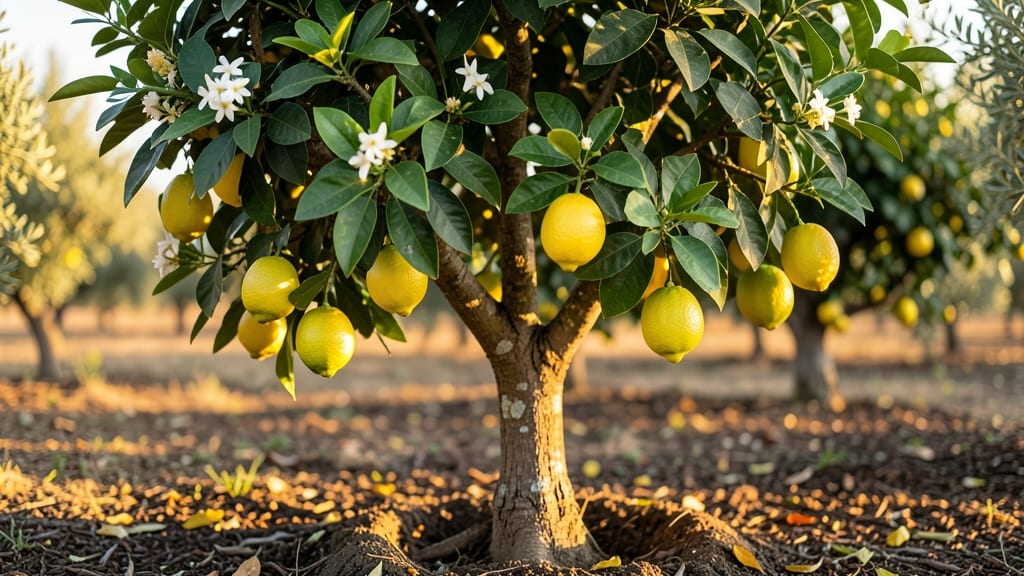
A lemon tree’s light requirements are the foundation of its health—without the right balance of sun, even the hardiest 🍋 will struggle to grow or bear fruit.
Struggling to keep your lemon tree alive? The right light exposure is the secret weapon most gardeners overlook—yet it determines whether your tree thrives or withers.
Too little sun leads to weak stems and sparse leaves, while too much can scorch the delicate foliage. The key is finding that sweet spot: at least 6 to 8 hours of bright, direct sunlight daily for outdoor trees, or a grow light setup for indoor plants.
In this guide, I’ll break down exactly how much light your lemon tree needs at each stage of growth, how to spot light-related problems, and the best ways to adjust care—whether you’re growing in a sunny backyard or a dim apartment.


How much sun does a lemon tree need by growth stage?
A lemon tree’s light needs change dramatically as it grows—what works for a seedling might scorch a mature fruit-bearing tree. Understanding these shifts is key to avoiding common mistakes like leggy growth or leaf burn.
Let’s break down the sunlight requirements at each stage, so you can adjust care precisely when needed.
For seedlings, indirect light is safest—think dappled shade or a bright windowsill with filtered sun. Young trees (up to 3 years old) need gradual acclimation to full sun, while mature trees (4+ years) thrive in 6 to 8+ hours of direct sunlight daily.
Seasonal adjustments are also critical, especially in winter when daylight shortens.
Note: Container-grown lemon trees have different needs than in-ground plants. Potted trees often require more frequent light adjustments because their roots can’t seek out moisture or nutrients as efficiently. Always prioritize morning sun to prevent afternoon heat stress.
During the seedling stage, I recommend starting with 4-6 hours of indirect light daily. Place your container near an east-facing window or under a grow light for 12-14 hours to mimic natural daylight. Avoid placing seedlings in direct midday sun, which can cause leaf scorch and stunt growth.
As your lemon tree enters the young tree phase (6 months to 3 years), it’s time to increase sunlight gradually. Begin with morning sun exposure (6-8 hours) and shield it from harsh afternoon rays.
This helps harden the plant without shocking its system. If growing outdoors, choose a sheltered spot like a patio or balcony with partial shade.
For mature lemon trees (4+ years old), the goal is 8+ hours of full sun daily. These trees need intense light to produce high-quality fruit and maintain robust growth. In hot climates, provide afternoon shade to prevent heat stress, especially during peak summer months.
Watch for signs like leaf curling or fruit drop, which often signal too much sun.
Seasonal adjustments are just as important as daily light management. In winter months, lemon trees enter a semi-dormant phase and require less direct sunlight. Move potted trees closer to a south-facing window or supplement with a grow light for 6-8 hours daily.
This prevents leaf drop and ensures the tree stays healthy until spring.
One common mistake I see is assuming that more sun is always better. While lemon trees love light, intensity matters just as much as duration. For example, a desert climate with intense UV rays may require afternoon shade even for mature trees.
Always observe your tree’s foliage color and growth rate to fine-tune its light exposure.
Pro tip: Use a light meter or observe your tree’s shadow. If the shadow is sharp and dark, the light is too intense. If it’s soft and diffuse, the light is ideal. Adjust placement accordingly—this simple trick saves countless lemon trees from sun damage each year.
If you’re growing your lemon tree in a container, rotate the pot every few weeks. This ensures even light exposure and prevents the tree from leaning toward the sun. Container-grown trees also benefit from reflective surfaces, like white walls or mirrors, which bounce extra light onto the leaves.
Remember, the goal is to mimic the Mediterranean climate where lemon trees thrive naturally. With the right light balance at each stage, your tree will reward you with lush foliage and abundant lemons year after year. 🍋
Signs your lemon tree isn’t getting enough (or too much) light
Your lemon tree’s leaves tell a story—one that’s easy to misread if you’re not familiar with the visual cues of light stress. When light is lacking, the first signs appear as pale yellow leaves or stretched, weak stems reaching desperately toward any available light source.
This "etiolation" isn’t just unsightly; it weakens the tree’s structure, making it vulnerable to pests and diseases.
On the flip side, too much harsh sunlight can cause brown, crispy leaf edges or even sunburned patches that look like freckles on the foliage. These aren’t just cosmetic issues—they signal oxidative stress that can stunt growth or even kill branches if ignored.
The key is recognizing these signs early so you can adjust care before permanent damage occurs.
🚨 Light Stress Warning Signs
UNDERLIGHTED TREE: Leaves turn yellowish-green or pale, stems grow long and leggy, and new growth is sparse. The tree may also drop leaves unexpectedly.
OVERLIGHTED TREE: Leaves develop brown crispy edges, white/yellow patches (sunburn), or curled leaves. Growth may appear stunted despite ample light.
EMERGENCY ACTION: Move the tree to partial shade immediately if sunburned, or supplement with grow lights if underlit. Adjust gradually over 7-10 days to avoid shock.
For a healthy lemon tree, the leaves should be a vibrant green with a leathery texture, and new growth should appear compact and bushy. When you see these traits, you’re on the right track—your tree is getting the 6-8 hours of sunlight it craves daily.
Pay special attention to the younger leaves; they’re the first to show signs of stress.
If your tree is indoors, check the window placement first. A south-facing window provides the brightest light, but even there, your lemon tree may need a grow light supplement during winter months when daylight is shorter.
Rotate the pot quarter-turns weekly to ensure even growth and prevent the tree from leaning toward the light source.
Outdoor trees need morning sun (9 AM–12 PM) and afternoon shade in hot climates to prevent scorching. If you notice leaf drop during summer, it’s often a sign of heat stress combined with too much direct sunlight.
Provide dappled shade with a sheer curtain or move the tree to a west-facing location where it gets gentler afternoon light.
Remember, lemon trees are tropical plants at heart—they thrive in bright, indirect light that mimics their native habitat.
When you spot the early warning signs, act fast: adjust light exposure gradually, monitor soil moisture (stressed trees need consistent watering), and consider pruning damaged leaves to redirect energy to healthier growth.
With the right light balance, your lemon tree will reward you with lush foliage and abundant fruit.