
Pruning
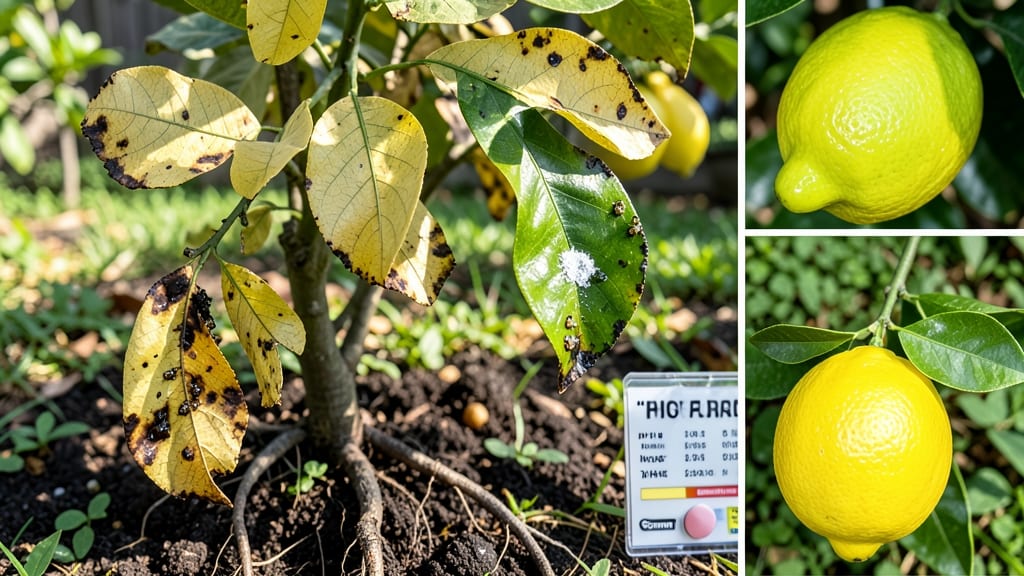
A lemon tree sick with yellowing leaves isn’t a death sentence—this is how to diagnose and fix it fast. 🌿 I've nursed back more than my share of struggling citrus trees, and the key is acting before the problem spreads.
Start by checking the soil moisture, leaf undersides, and stem health—each tells a different story about what's wrong.
Most yellowing comes from overwatering, nutrient deficiencies, or pests like spider mites hiding in the crevices. The good news? All three have simple fixes: adjust your watering schedule, feed with citrus-specific fertilizer, or spray with neem oil.
I've seen trees bounce back in as little as 2-3 weeks with the right care.
You'll know you're on the right track when new leaves stay bright green and the plant starts putting out fresh growth. The secret is consistency—check the roots, prune dead branches, and keep an eye out for repeat offenders like aphids or fungal spots.
Prevention is easier than cleanup: water deeply but less often, use well-draining soil, and inspect your tree weekly. Once you spot the early signs, you can save your lemon tree before it's too late—no gardening degree required.
Root Causes Behind Lemon Tree Decline
When your lemon tree starts showing signs of distress—yellowing leaves, stunted growth, or wilting branches—it’s often a cry for help from the roots up. Understanding why your tree is struggling is the first step to bringing it back to health.
Below, we break down the most common culprits, explained in plain terms with actionable insights.
Lemon trees, like most citrus varieties, are surprisingly drought-tolerant—but they hate soggy roots. Overwatering or compacted, poorly draining soil suffocates roots by cutting off their oxygen supply, leading to root rot (a fungal infection caused by Phytophthora or Pythium).
- How it happens:
- Waterlogged soil (especially in clay or heavy loam).
- Containers without drainage holes.
- Frequent shallow watering that doesn’t let excess moisture escape.
- Tell-tale signs:
- Yellowing leaves that start at the bottom and spread upward.
- Mushy, black, or discolored roots when inspected.
- A foul, rotten smell near the base.
- 💡 Pro tip: Stick your finger 2–3 inches into the soil. If it’s damp, wait before watering. Lemon trees prefer dry soil between waterings—think of the Mediterranean climate they’re native to!
Lemon trees are heavy feeders, and when they lack essential nutrients, they show it—often through chlorosis (yellowing leaves) or weak growth. The most common deficiencies include:
| Nutrient | Symptoms | Cause |
|---|---|---|
| Nitrogen (N) | Pale yellow leaves (especially older ones), stunted growth. | Poor soil quality, over-pruning, or lack of organic matter. |
| Iron (Fe) | Yellowing between leaf veins (interveinal chlorosis), especially in alkaline soils. | High pH (>7.0) locks out iron, even if it’s present. |
| Magnesium (Mg) | Yellow patches between veins on older leaves (unlike iron, which hits younger leaves first). | Over-fertilization with nitrogen, poor soil structure. |
| Zinc (Zn) | Small, yellow leaves with distorted shapes (often on new growth). | Compacted or waterlogged soil, high phosphorus levels. |
🔥 Actionable fix: Test your soil’s pH (ideal: 6.0–7.0 for citrus). If alkaline, amend with chelated iron or sulfur. Use a balanced citrus fertilizer (e.g., 6-6-6 or 8-3-9) in early spring and late summer.
Hidden invaders can wreak havoc before you even notice. Here are the top offenders:
- Citrus Leaf Miner (Phyllocnistis citrella)
- How it happens: Tiny larvae burrow into leaves, creating serpentine mines (visible as white, winding trails).
- Damage: Leaves turn yellow/brown, drop prematurely, and weaken the tree.
- 🎯 Solution: Prune and destroy infested leaves. Use neem oil or insecticidal soap as a preventative spray.
- Root-Knot Nematodes (Meloidogyne)
- How it happens: Microscopic worms attack roots, causing galls (knobby growths) that block water/nutrient uptake.
- Damage: Stunted growth, yellowing leaves, and wilting—especially in hot weather.
- 💡 Pro tip: Solarize soil (cover with clear plastic for 4–6 weeks in summer) or plant marigolds nearby to repel them.
- Fungal Infections (e.g., Alternaria or Melanose)
- How it happens: Fungi thrive in humid or wet conditions, entering through leaf wounds or weak spots.
- Damage: Dark spots on leaves/fruit, leaf drop, and blackened stems.
- 🔪 Prevention: Prune for airflow, avoid overhead watering, and apply copper fungicide if outbreaks occur.
Lemon trees are tropical at heart but can suffer when pushed beyond their comfort zone:
- Cold Damage
- Threshold: Below 28°F (-2°C), leaves blacken; below 20°F (-7°C), branches die.
- Recovery: Prune dead wood in late winter, but avoid heavy cuts—new growth is frost-sensitive!
- Heat Stress
- Symptoms: Leaf scorch (brown, crispy edges), wilting, or premature fruit drop in dry heat.
- Fix: Mulch heavily, water deeply (not just surface water), and provide afternoon shade in extreme heat.
- Wind Burn
- How it happens: Strong winds desiccate leaves, causing brown, papery patches.
- Solution: Plant near a windbreak (e.g., fence or hedge) or use anti-transpirant spray in high-wind areas.
Most lemon tree ailments stem from one or more of these issues. The good news? Once you identify the root cause (literally or figuratively), you can take targeted action to nurse your tree back to health.
Next, we’ll dive into diagnosing symptoms and step-by-step revival strategies to get your tree thriving again.
Revive Your Lemon Tree Fast
A sick lemon tree can feel like a heartbreaking setback, but with the right care, you can nurse it back to health—often faster than you think! Below are targeted solutions for common issues, from quick fixes to long-term prevention. Follow these steps to diagnose, treat, and protect your citrus companion.
Yellowing leaves are often a cry for help—your tree might be hungry or stressed. Here’s how to feed it back to vitality:
🔥 Step 1: Test the Soil (Know the Problem)
Before adding fertilizers, check if your lemon tree’s soil is lacking key nutrients:
- Citrus-specific soil test kits (available at garden centers) reveal pH and nutrient levels.
- Quick DIY test: Dig a small hole (6 inches deep) and observe the soil.
If it’s clay-heavy, waterlogged, or sandy, amend it with compost or organic matter (like aged manure or coconut coir).
🍳 Step 2: Fertilize Correctly (But Don’t Overdo It!)
Lemon trees thrive on balanced nutrition, but too much fertilizer burns roots.
Use: - Citrus fertilizer (high in nitrogen, phosphorus, and micronutrients like iron and zinc). - Slow-release granules (sprinkle around the base in early spring and again in summer). - Epsom salt spray (1 tbsp per gallon of water) for magnesium deficiency (yellowing between leaf veins).
✨ Pro Tip: Water before fertilizing to prevent root burn. And never fertilize in winter—your tree is dormant!
🌡️ Step 3: Adjust Watering (Drought or Overwatering?)
Yellow leaves can mean too much or too little water:
- Underwatered? Water deeply 2–3 times per week (check soil moisture—top 2 inches should be dry).
- Overwatered? Let the soil dry out between waterings.
Improve drainage by adding perlite or sand to heavy soil.
If leaves are crispy, spotted, or falling prematurely, pests or fungal infections might be the culprit.
👨🍳 Step 1: Inspect for Pests (Sneaky Invaders!)
Common lemon tree pests include:
- Aphids, mites, or scale insects (tiny bugs on undersides of leaves).
- Citrus leaf miners (serpentine trails in leaves).
- Root weevils (chewed stems and wilting).
How to treat:
- Neem oil spray (mix 1 tbsp neem oil + 1 tsp mild soap in 1 quart water; spray every 5–7 days).
- Horticultural oil (for scale insects—apply in early spring).
- Beneficial insects (ladybugs or lacewings) to eat aphids naturally.
🔪 Step 2: Prune Infected Areas (Stop the Spread!)
- Remove and destroy heavily damaged leaves/stems (don’t compost them—bag and trash).
- Sterilize pruners with rubbing alcohol between cuts to avoid spreading disease.
- Thin out dense foliage to improve airflow (prevents fungal growth).
🌿 Step 3: Prevent Fungal Diseases (Keep It Dry & Clean)
Fungal issues like citrus greening (HLB) or anthracnose thrive in wet conditions.
- Avoid overhead watering—use drip irrigation instead.
- Space trees 8–10 feet apart for airflow.
- Apply copper fungicide (if spots appear) or baking soda spray (1 tsp baking soda + 1 quart water + a drop of soap).
If your lemon tree is small, weak, or not fruiting, it may need a growth boost.
💡 Step 1: Check the Roots (Healthy Roots = Happy Tree!)
- Root rot? Soil smells sour, and roots are mushy/brown.
- Fix: Repot in well-draining soil (mix potting soil with perlite/pumice).
- Root-bound? Roots circle the pot or poke out of drainage holes.
- Fix: Repot in a slightly larger container (1–2 inches wider) with fresh soil.
🌞 Step 2: Optimize Sun & Temperature
Lemon trees love full sun (6–8 hours daily) but can scorch in extreme heat.
- Morning sun + afternoon shade works best in hot climates.
- Protect from frost (below 28°F)—cover with frost cloth or move indoors.
📊 Step 3: Boost Growth with the Right Care
- Fruit thinning: Remove excess fruit to let the tree focus on stronger, larger lemons.
- Deep watering: Water slowly at the base (1–2 gallons per week, more in summer).
- Mulch: Apply 2–3 inches of organic mulch (straw or wood chips) to retain moisture and regulate soil temp.
Once your lemon tree recovers, prevent future problems with these habits: ✅ Fertilize seasonally (spring & summer only). ✅ Monitor pests weekly—catch them early! ✅ Prune regularly (remove dead/diseased branches in late winter). ✅ Rotate pots (if container-grown) for even sunlight exposure. ✅ Quarantine new plants (keep them separate for 2–4 weeks to check for pests).
Your lemon tree’s recovery starts today! With consistent care, it’ll bounce back—and next season, you’ll be harvesting juicy, homegrown lemons instead of sad, yellowing leaves. 🍋✨
Frequently asked questions
Why do my lemon tree leaves turn yellow first at the bottom?
This classic sign usually means overwatering or root rot. Lemon trees hate soggy roots, so check if the soil stays damp for days. If roots smell foul or look mushy, repot in fresh, well-draining soil immediately. Yellowing from the bottom up also signals nutrient deficiencies like nitrogen or magnesium.
Can I save my lemon tree if it's completely leafless?
Yes, but act fast! Leafless trees often suffer from severe cold damage or pest infestations. Prune dead branches back to healthy green wood, then adjust care: move indoors if frost-bitten, or protect from wind. Feed with citrus fertilizer and monitor for new growth—it can recover in 4-6 weeks with proper care.
How often should I fertilize a sick lemon tree?
Start with half-strength citrus fertilizer every 4-6 weeks in spring/summer. Over-fertilizing stresses weak trees. Use organic options like fish emulsion or compost tea for gentle nutrient boosts. Avoid fertilizing in winter when the tree is dormant—focus on water and pest control instead.
Is my lemon tree dying if the trunk looks soft or spongy?
That's a red flag for advanced root rot or bacterial infection. Check for blackened roots and foul odors. If confirmed, prune all diseased wood, repot in sterile soil, and treat with copper fungicide. Unfortunately, severely infected trees may not recover—consider propagating from healthy branches if needed.