
Pruning
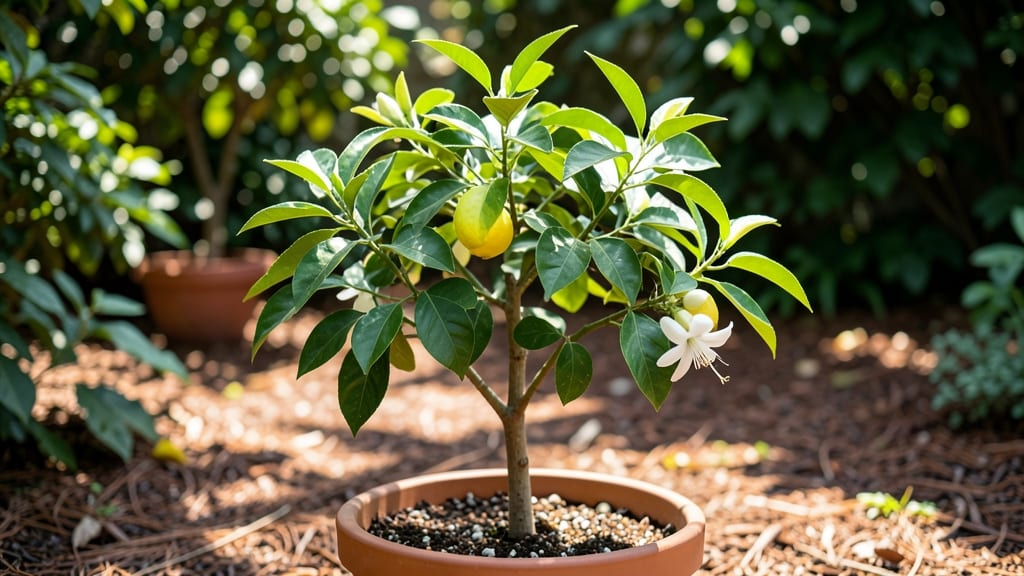
Your lemon tree starter needs just three simple cuts to become a lush, fruit-bearing beauty. ✂️ I’ve pruned dozens of these delicate saplings, and the difference between a leggy twig and a bushy, productive tree comes down to these early decisions—timing, technique, and a little patience.
The key is shaping the tree while it’s still young, encouraging branches to grow outward rather than upward. Start by removing any dead or crossing branches with clean cuts just above a leaf node.
Then, trim the topmost growth to promote side shoots—this is where your future fruit will develop. Most starters need this first pruning 3-4 weeks after planting, when they’ve established roots but aren’t overcrowded.
What you’ll end up with is a sturdy, well-balanced tree that produces more fruit per season and handles pruning like a pro later on. The branches will fill in naturally, and you’ll avoid the common mistake of over-pruning, which stresses young trees.
Think of it as sculpting a living work of art—every cut brings you closer to that sun-drenched patio lemon tree you’ve been dreaming of.
This method works for both dwarf and standard lemon tree starters, whether you’re growing in pots or the ground. Just remember: prune in late winter or early spring, before new growth starts, and always use sterilized tools to avoid disease.
Your first harvest could be just 2-3 years away—if you start right now.
📚 In This Guide
- What you need
- Instructions
- Tips and common mistakes
- Wrapping up and next steps
What you need
- ● Pruning shears: Sharp, bypass-style shears (for clean cuts) or anvil-style for thicker branches. (1 pair required)
- ● Hand pruners: For precision cuts on smaller stems. (1 pair, 4–6" blades)
- ● Loppers: For thicker branches (½"–1½" diameter). (1 pair, 18–24" reach)
- ● Disinfectant: 70% isopropyl alcohol or bleach solution (1 part bleach : 9 parts water) to sterilize tools.
- ○ Garden gloves: Cut-resistant (optional but recommended for thorns!).
- ○ Sealing wax: Pruning sealant (optional, for cuts larger than ½").
- ● Trash bag or bucket: For clippings (avoid composting diseased wood).
- ● Know your lemon tree’s age: Young trees (under 3 years) need light pruning; mature trees (3+ years) benefit from structured shaping.
- ● Weather check: Prune on a dry, cloudy day (avoid extreme heat or frost).
- ● Safety first: Wear long sleeves/pants if your tree has sharp thorns!
- ○ Optional: Hose or spray bottle (to clean tools mid-prune).
- ● Sketch pad (to map out your pruning plan).
- ● Fertilizer (balanced 10-10-10 or citrus-specific, for post-prune care).
How to prune a lemon tree for bushy growth and fruit
Here's my go-to method for shaping lemon trees that produce more fruit and look lush all season.
✂️ Step 1: Understand the Right Time to Prune
Prune your lemon tree in late winter or early spring, just before new growth begins. This timing ensures you cut back when the tree is dormant but ready to burst with energy. Avoid pruning in fall or summer—you'll stimulate new growth that won't harden off before cold weather or won't fruit properly.
Look for dormant buds along the branches—they appear as small, tight swellings. These are your signal that the tree is preparing to grow. If you see fresh green leaves or new shoots, wait until those have hardened off before pruning again.
✂️ Step 2: Remove Dead, Weak, or Crossing Branches
Start by cutting out any dead, diseased, or damaged branches—they drain energy from the tree. Use clean, sharp pruners to make cuts just above a bud or outward-facing leaf. This encourages new growth in the right direction. If a branch is crossing another or growing inward, remove the weaker of the two to improve airflow and sunlight penetration.
Don't skip this step (I learned the hard way). Dead branches can harbor pests, and crossing branches create weak points where fruit clusters might break. You'll see a noticeable difference in the tree's structure after just one pruning session.
✂️ Step 3: Shape the Tree for Bushiness and Fruit Production
Cut back the longest branches by about one-third to encourage branching. Focus on the outermost growthmature wood, so avoid heavy pruning on young, flexible branches.
Watch for water sprouts—those fast-growing, vertical shoots that pop up in the center. These steal energy from fruit production, so cut them back to a bud or side branch. You'll know you're doing it right when you see new buds forming along the remaining branches within a few weeks.
✂️ Step 4: Thin Out Overcrowded Fruit Clusters
Once your tree starts flowering, thin out overcrowded fruit clusters to 3-4 fruits per cluster. This might seem counterintuitive, but fewer, larger lemons develop better flavor and size. Use your fingers to gently twist off excess fruit—don't pull too hard, or you might damage the branch.
You'll notice the remaining fruit grows bigger and ripens more evenly. This step also reduces the risk of branch breakage under the weight of too many lemons. Thin again in 6-8 weeks if new clusters form—consistent thinning leads to better-quality fruit.
💧 Step 5: Post-Pruning Care for Recovery
After pruning, give your lemon tree a deep watering to help it recover. The roots need moisture to support new growth, especially if you've removed a lot of foliage. Avoid fertilizing right after pruning—wait until new growth appears, usually in 4-6 weeks.
Keep an eye out for pests or fungal issues in the weeks after pruning. Fresh cuts are entry points for problems, so apply a copper fungicide or neem oil spray if needed. Your tree will show signs of recovery with new leaves and buds within 2-3 weeks—that's your reward for a job well done.
Tips & tricks for pruning lemon trees
These simple tricks will help you shape your lemon tree like a pro and keep it thriving for years.
Timing is Everything: Late winter or early spring is the perfect window because your tree is still dormant but ready to burst with energy. If you're unsure about the exact timing, check for those tight, dormant buds—when they start swelling slightly, that's your cue. I've pruned in early March for years, and my trees always respond beautifully.
Tool Prep Matters: Before you start cutting, make sure your pruners are clean and sharp. Dull blades tear bark and damage branches, inviting pests and diseases. I like to wipe down my pruners with rubbing alcohol between cuts to prevent spreading any potential infections. Sterilizing your tools is especially important if your tree has had any issues in the past.
Focus on the Right Branches: When shaping your tree in Step 3, prioritize cutting back the longest branches by about one-third. This creates a natural balance and encourages bushier growth. I always look for branches growing inward or crossing others—removing these improves airflow and sunlight exposure, which are key for fruit production. Think of it like giving your tree a spa day: less clutter means more energy for those juicy lemons.
Post-Pruning Observation: After you've finished pruning, keep an eye on your tree for the first 2-3 weeks. New buds should start forming along the branches you've trimmed. If you don't see any activity within that time, your tree might need a little extra care—perhaps a deeper watering or a bit more sunlight. This is your tree's way of telling you it's ready to grow!
Pro Tips for Lemon Tree Starter
- These simple tricks will help you shape your lemon tree like a pro and keep it thriving for years.
- Timing is Everything: Late winter or early spring is the perfect window because your tree is still dormant but ready to burst with energy.
- Tool Prep Matters: Before you start cutting, make sure your pruners are clean and sharp.
Frequently asked questions
Got questions about starting and pruning your lemon tree? You're not alone! Here are some of the most common concerns—plus quick, actionable answers to keep your tree thriving.
How soon can I start pruning my lemon tree starter?
Prune your lemon tree starter after it’s established—typically 6–12 months post-planting or when it reaches 2–3 feet tall. Early pruning can stress young trees, so focus on shaping after the first flush of growth. For container-grown starters, light pruning can begin sooner to encourage bushiness.
When is the best time of year to prune a lemon tree?
The ideal window is late winter or early spring, just before new growth begins (think February–March in most climates). Avoid heavy pruning in summer or fall—this can expose the tree to pests or disease. A light trim to remove dead branches is fine year-round, but major shaping waits for dormancy.
Will pruning my lemon tree starter reduce fruit production?
Not if done correctly! Pruning encourages fruit by improving airflow and sunlight penetration. However, avoid over-pruning—never remove more than 25% of the tree’s canopy in one session. Focus on thinning dense branches and dead wood to redirect energy toward fruit-bearing limbs.
Can I use the same pruning techniques for dwarf vs. standard lemon trees?
Yes, but adjust the scale! Dwarf varieties (like ‘Meyer’ or ‘Improved Meyer’) need gentler pruning to maintain their compact size—focus on shaping rather than heavy cuts. Standard trees can handle bolder trims to open the canopy. Both benefit from removing “water sprouts” (shoot growth) and suckers (shoots at the base).
What do I do if my lemon tree starter’s branches look leggy or sparse?
Leggy growth usually means the tree needs more light or pruning to encourage bushiness. Pinch back the tips of new growth (just above a leaf node) to prompt branching. If outdoors, move it to a sunnier spot. For container starters, rotate the pot weekly to ensure even light exposure.
Is it okay to use hedge trimmers on my lemon tree?
No—hedge trimmers create jagged cuts that heal poorly and invite disease. Use sharp, clean bypass pruners for branches under ½ inch thick, and a pruning saw for thicker limbs. Always cut at a 45-degree angle just outside the branch collar (the swollen area where the branch meets the trunk).
Wrapping up and next steps
Growing a lush, fruitful lemon tree starts with the right pruning techniques—and now you’ve got the know-how! 🌿 By mastering selective pruning, seasonal timing, and tool care, you’ll encourage bushy growth and a harvest of juicy lemons.
Remember, patience and consistency are key, so don’t rush the process.
Ready to take the next step? Grab your pruners, schedule your first trim session, and watch your lemon tree thrive! 🍋✨