
Pruning
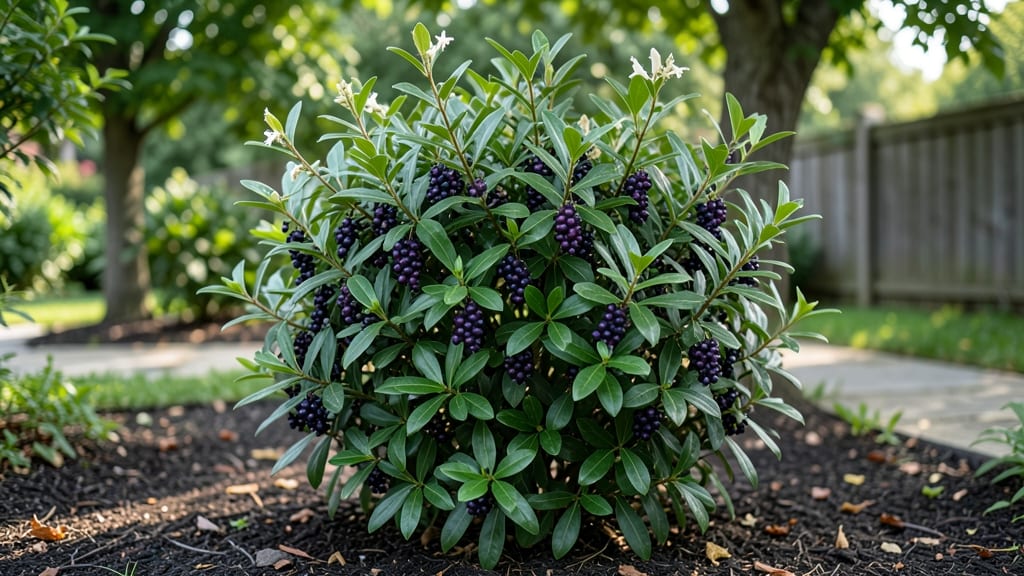
Ligustrum tree berries are poisonous to humans and pets, containing ligustrin and other toxic compounds that can cause nausea, vomiting, and neurological symptoms if ingested. Avoid handling them without gloves, and keep pets away from fallen berries.
These dark purple-black fruits may look tempting, but they pack a dangerous punch. 🌿 Ligustrin, the primary toxin, disrupts normal cellular function, while saponins create digestive distress—think severe vomiting and diarrhea within hours of ingestion.
Even small amounts can trigger neurological issues like dizziness or muscle weakness, especially in pets like dogs, who are particularly curious about fallen berries. The symptoms can escalate quickly, so immediate veterinary care is critical if exposure occurs.
For gardeners, the key is prevention and proper cleanup. Wear thick gloves when pruning or harvesting, and dispose of berries in sealed plastic bags—never in compost piles where pets or wildlife might access them.
If you're dealing with an infestation, consider organic deterrents like neem oil sprays to discourage birds from feasting on them. Always supervise pets during walks near ligustrum trees, as even a single berry can be hazardous.
💡 In This Article
- Toxic Compounds in Ligustrum Berries and Their Health Effects
- Safe Removal and Disposal of Ligustrum Berries
Toxic compounds in ligustrum berries and their health effects
The primary toxin in ligustrum berries is ligustrin, a compound that disrupts normal cellular processes by interfering with protein synthesis. This means your body can't properly repair or maintain cells, leading to widespread dysfunction.
Ligustrin also acts as a neurotoxin, affecting the nervous system by blocking critical receptors—similar to how some snake venoms work, but at a cellular level rather than through bites. 🔥
Saponins, another key compound, create digestive chaos by forming soap-like bubbles in your intestines. These bubbles irritate the lining, causing severe vomiting and diarrhea within 2-6 hours of ingestion. The berries also contain alkaloids that can trigger muscle weakness and dizziness, particularly in pets.
Dogs, for example, often experience drooling, lethargy, and even seizures after consuming even small amounts—studies show that 0.5% of a dog's body weight in ligustrum berries can be fatal.
In humans, symptoms typically appear within 30 minutes to 2 hours and may include abdominal pain, rapid heartbeat, and confusion. The severity depends on dosage—5-10 berries can cause mild symptoms, while 20+ berries may require emergency medical intervention.
Children and pets are at higher risk due to their smaller size and curiosity, making prevention especially critical. 💛
The berries' dark purple-black color and glossy texture make them visually appealing, which is why they're often mistaken for edible fruits like elderberries. However, their firm yet slightly waxy surface is a dead giveaway—they should never be tasted or handled without protection.
Even touching the berries can transfer toxins to your skin, so thorough handwashing is essential after any contact.
Veterinary studies reveal that ligustrum poisoning in animals often mimics food poisoning but with neurological complications. For instance, a 2018 ASPCA report documented cases where dogs suffered from tremors and dilated pupils within hours of ingestion.
The key difference from human poisoning is that animals often ingest larger quantities relative to their size, accelerating symptom onset. This is why pet owners must act immediately if they suspect their animal has consumed ligustrum berries.
What makes ligustrum berries particularly dangerous is their delayed but cumulative effect. While initial symptoms may seem mild, the body's response can escalate over 24-48 hours as toxins accumulate.
This is why medical professionals often recommend monitoring for at least 48 hours after potential exposure, even if early symptoms appear minor. 💫