
Trees
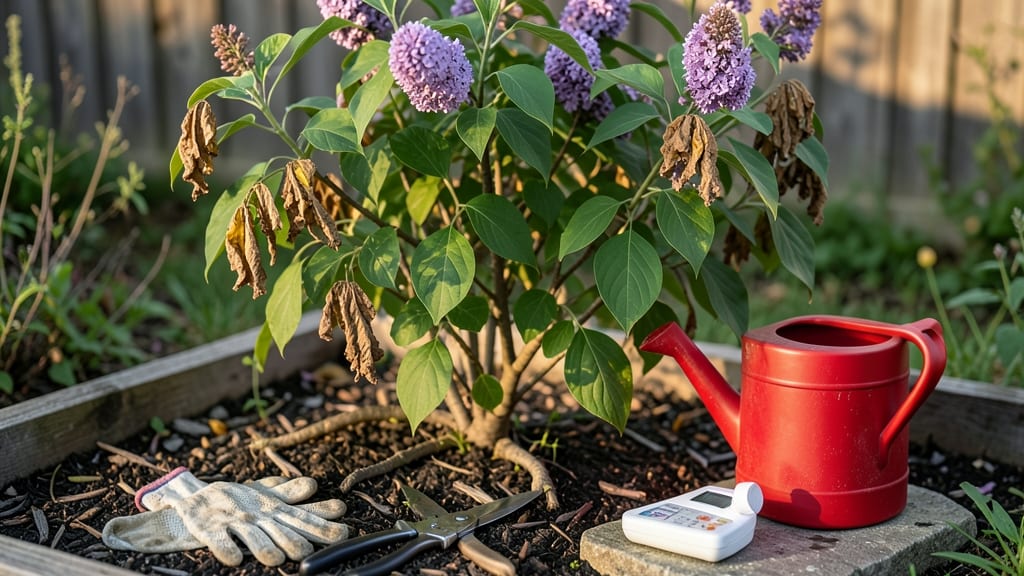
Your lilac tree’s brown leaves are turning brown—don’t panic yet. 🌿 The first step is figuring out whether it's powdery mildew (white fuzzy spots), environmental stress (uneven browning), or something else entirely.
I've nursed back more than my share of struggling lilacs, and the key is acting fast before the problem spreads.
Start with the basics: check the soil moisture—too dry or too wet both cause stress. Look for pests like spider mites (tiny webs on undersides) or fungal spots (dark patches with yellow halos).
Most gardeners miss the early signs, but catching these now means your lilac can bounce back before next spring's blooms.
Prune out the worst brown branches first, then focus on fixing the root cause—whether that's adjusting watering, applying fungicide, or giving the soil a nutrient boost. I've seen lilacs recover completely after just one season of proper care, with fresh green leaves by summer.
Prevention is easier than cleanup: mulch properly, space plants for airflow, and monitor moisture levels. Your lilac's next flush of blooms could be the most vibrant yet—if you act now. Let's get it back to health.
Root Causes Behind Browning Leaves
When your lilac tree’s leaves start turning brown, it’s often a cry for help from the plant itself. Understanding the why behind the discoloration is the first step to restoring its health.
Below, we break down the most common culprits—from environmental stressors to hidden pests—so you can diagnose the issue accurately and take targeted action.
Lilac trees are hardy, but extreme heat or prolonged dry spells can cause leaves to scorch and brown at the edges. When soil moisture drops too low, roots struggle to supply water, leading to:
- Marginal browning: Leaves develop crispy, brown edges while the center stays green.
- Wilting: Leaves may droop before turning brown, especially in afternoon heat.
- Premature leaf drop: Stressed leaves fall off faster than usual.
Why it happens: Lilacs thrive in well-drained soil but need consistent moisture, especially in their first few years. High temperatures increase transpiration (water loss through leaves), while shallow root systems can’t compensate. 💡 Pro tip: Mulch around the base (2–3 inches deep) to retain moisture and protect roots from temperature swings.
While drought stresses lilacs, excess water can be just as damaging. Poor drainage or overzealous watering leads to:
- Yellowing between veins: Chlorosis (iron deficiency) from waterlogged roots.
- Brown, mushy leaves: Fungal infections thrive in soggy conditions.
- Root rot: A silent killer that stunts nutrient uptake, causing leaves to brown and drop.
Why it happens: Lilac roots need oxygen to absorb nutrients. Compacted or waterlogged soil forces roots to suffocate, disrupting the tree’s ability to process chlorophyll (the green pigment). ✨ Key sign: Check the soil 2 inches down—if it’s damp after 48 hours, you’re overwatering.
Tiny invaders like aphids, spider mites, or Japanese beetles can turn lilac leaves brown overnight. Look for:
- Holey leaves: Beetles chew irregular patterns, leaving brown edges.
- Sticky residue: Aphids excrete honeydew, which attracts sooty mold (a black fungal film).
- Webbing: Spider mites create fine silk strands on undersides of leaves.
Why it happens: Pests weaken leaves by feeding on sap, disrupting photosynthesis. Their waste products (like honeydew) clog leaf pores, blocking sunlight and accelerating browning. 🔥 Watch for: New growth that looks curled or distorted—this is a pest’s calling card.
Fungal infections like powdery mildew, anthracnose, or leaf spot thrive in humid conditions, causing:
- Brown spots with yellow halos: Classic sign of anthracnose.
- White powdery coating: Powdery mildew smothers leaves, turning them brown.
- Premature defoliation: Leaves drop early, leaving bare branches.
Why it happens: Fungi spread via spores, exploiting weak spots (e.g., damaged leaves or poor air circulation). High humidity (above 75%) and wet foliage create the perfect breeding ground. 🌡️ Prevention tip: Space lilacs 4–6 feet apart to improve airflow and water at the base (not overhead) to keep leaves dry.
Lilacs are light feeders, but chronic deficiencies in key nutrients cause browning:
| Deficiency | Leaf Symptoms | Cause |
|---|---|---|
| Nitrogen (N) | Pale green or yellow leaves with brown tips | Poor soil organic matter or over-pruning |
| Potassium (K) | Brown edges or "scorch" on older leaves | Compacted soil or excessive rain leaching nutrients |
| Magnesium (Mg) | Interveinal yellowing (between veins) turning brown | Alkaline soil or over-fertilization with synthetic salts |
Why it happens: Nutrients are absorbed through water in the soil. If the pH is off (ideal: 6.0–7.0) or the soil lacks organic matter, roots can’t access what they need. 🎯 Test first: A simple soil test kit can reveal imbalances before symptoms appear.
Next up: How to diagnose these issues with a quick at-home check and step-by-step revival steps to nurse your lilac back to health.
Reviving your lilac’s foliage
Brown leaves on your lilac tree don’t have to mean goodbye to its beauty—often, they’re just a sign that your tree needs a little TLC. Whether it’s a watering issue, pest invasion, or environmental stress, the right care can bring those leaves back to life.
Below, we’ll break down the most common causes of browning lilac leaves and provide practical, step-by-step solutions to restore your tree’s health.
Overwatering or underwatering can both cause lilac leaves to turn brown. Lilacs prefer well-drained soil but hate soggy roots. Here’s how to strike the right balance:
🔥 Adjust Your Watering Routine
- Check soil moisture before watering. Stick your finger 2–3 inches into the soil—if it’s dry, it’s time to water. If it’s damp, wait a few more days.
- Water deeply but less frequently. Lilacs thrive with 1–1.5 inches of water per week, either from rainfall or manual watering. Use a soaker hose or drip irrigation to avoid wetting the leaves (which can promote fungal issues).
- Improve drainage if your tree is in a low-lying area. Amend heavy clay soil with compost or sand to help water drain faster.
🌡️ Prevent Future Water Woes
- Mulch properly: Apply a 2–3 inch layer of mulch (like shredded bark) around the base of the tree, keeping it 6 inches away from the trunk to prevent rot.
- Avoid overhead watering at night, as damp leaves encourage fungal diseases like powdery mildew.
- 💡 Pro Tip: If your lilac is in a pot, ensure it has drainage holes and use a well-draining potting mix.
Pests like aphids, spider mites, and borers can suck the life out of lilac leaves, leaving them brown and crispy. Diseases like powdery mildew or bacterial leaf spot also play a role. Here’s how to tackle them:
👨🍳 Spotting and Removing Pests
- Inspect leaves regularly for signs of pests: sticky residue (aphids), fine webbing (spider mites), or tiny holes (borers).
- Blast pests off with a strong stream of water from your hose. For severe infestations, use neem oil or insecticidal soap (follow label instructions).
- Prune affected branches immediately to prevent spread. Sterilize your pruners with rubbing alcohol between cuts.
🍳 Combating Fungal Diseases
- Remove infected leaves and dispose of them in the trash (not compost).
- Apply fungicide if powdery mildew or leaf spot is present. Baking soda spray (1 tsp baking soda + 1 quart water + a drop of dish soap) is a natural, effective remedy.
- Improve airflow by pruning dense growth and spacing plants properly.
✨ Prevention Tips for Pests and Diseases
- Encourage beneficial insects like ladybugs and lacewings by planting marigolds or dill nearby.
- Water in the morning so leaves dry quickly, reducing fungal growth.
- 💡 Pro Tip: Prune lilacs right after flowering (late spring/early summer) to improve airflow and reduce disease risk.
Heatwaves, cold snaps, or poor soil can stress lilacs, causing leaves to brown prematurely. These fixes will help your tree bounce back:
🔥 Protecting from Heat and Cold
- Provide shade during extreme heat (especially for young or newly planted lilacs). A lightweight shade cloth can help without blocking too much sunlight.
- Mulch heavily in winter to insulate roots from freezing temperatures. Use 4–6 inches of mulch in cold climates.
- Avoid late-season fertilizing, as new growth can be damaged by early frosts.
🥗 Boosting Soil Health
- Test your soil for pH and nutrient levels. Lilacs prefer slightly acidic to neutral soil (pH 6.0–7.0).
- Add compost or aged manure to improve soil structure and fertility. A balanced 10-10-10 fertilizer in early spring can also help.
- Aerate compacted soil with a garden fork if roots struggle to absorb water and nutrients.
🎯 Long-Term Care Tips
- Plant lilacs in full sun (6+ hours of sunlight daily) for optimal health.
- Prune correctly: Remove dead, crossing, or weak branches in late winter/early spring to encourage strong growth.
- 💡 Pro Tip: If your lilac is in a windy area, plant a windbreak (like a hedge or fence) to reduce stress.
If your lilac’s leaves continue to brown despite your efforts, or if you notice wilting, dieback, or oozing sap, it may be suffering from a serious disease (like verticillium wilt) or root rot. In these cases, consult a certified arborist for a diagnosis and treatment plan.
With the right care, your lilac can recover and reward you with vibrant blooms and lush foliage for years to come. Start with these solutions, and watch your tree thrive! 🌿✨
Frequently asked questions
Why are my lilac leaves turning brown in spots but staying green in others?
This pattern often signals fungal infections like anthracnose or leaf spot. Check for dark brown spots with yellow halos or white powdery coatings (powdery mildew). These fungi thrive in humid conditions and spread through wet foliage. Prune infected branches immediately and apply a baking soda spray (1 tsp baking soda + 1 quart water + dish soap) every 7-10 days.
Can I save my lilac if most leaves are already brown and crispy?
Yes, but act fast! First, remove all brown leaves to prevent disease spread. Focus on root health: water deeply 1-2 times per week (check soil moisture 2 inches down) and apply a balanced fertilizer (10-10-10). Mulch with 2-3 inches of organic matter to protect roots. New growth should appear within 4-6 weeks if the root system is still healthy.
Are brown lilac leaves always a sign of disease or pest problems?
Not necessarily! Environmental stress causes 50% of browning cases. Check for crispy edges (drought stress) or yellowing between veins (overwatering). Lilacs also shed older leaves naturally in late summer—if only a few leaves brown and drop while new ones form, it's likely seasonal. The key difference: stressed leaves brown unevenly, while natural shedding is uniform.
How do I tell if my lilac has root rot causing the brown leaves?
Root rot shows these signs: mushy brown leaves, wilting despite moist soil, and a sour smell when you dig near roots. Gently lift a small section of soil—healthy roots are white/firm, while rotten roots are dark, slimy, and crumble easily. If confirmed, stop watering immediately, improve drainage (add compost/sand), and consider repotting if in a container.
Will pruning help my lilac recover from brown leaves?
Prune only dead/diseased branches first (sterilize tools with rubbing alcohol). For severe cases, remove up to 25% of the canopyafter flowering45-degree angle just above a bud.